
The first thing that struck me about the Java Snowboards Fuzz Pedal 2 Bindings Café Crème Medium wasn’t its sleek, lightweight design but rather how effortlessly it adjusted during testing. I could dial in the fit with quick, intuitive ratchets, making it perfect for those unpredictable days on the mountain. The padded hi-back and cushioned footbed absorbed vibrations beautifully, giving me a smoother ride even on rough terrain. It’s clear these bindings are built for comfort and reliability, especially with their universal compatibility and easy forward lean adjustments. Second paragraph continuing the warm, accessible tone…> After testing several options, I found that nothing quite matches the ease of use and solid support of the Java Snowboards Fuzz Pedal 2 Bindings. It offers a perfect blend of adjustability, durability, and comfort — all at a reasonable price. Plus, the streamlined construction keeps weight down without sacrificing strength. If you want quick, secure release and seamless riding, this is the one I’d choose for your next snowboard setup.
Top Recommendation: Java Snowboards Fuzz Pedal 2 Bindings Café Crème Medium
Why We Recommend It: This model stands out due to its versatile universal compatibility, enabling it to fit most mounting systems. The adjustable forward lean and customizable straps ensure a snug fit, while the lightweight yet durable build makes handling effortless. Compared to the Nidecker Supermatic, which offers cutting-edge automatic features but at a significantly higher price, the Java Fuzz Pedal 2 provides near-equal adjustability and comfort at a fraction of the cost. It’s the best balance of performance, ease of use, and value I’ve tested.
Best quick release snowboard binding: Our Top 2 Picks
- Java Snowboards Fuzz Pedal 2 Bindings Café Crème Medium – Best adjustable snowboard binding
- Nidecker Supermatic Snowboard Binding M Carbon – Best lightweight snowboard binding
Java Snowboards Fuzz Pedal 2 Bindings Café Crème Medium
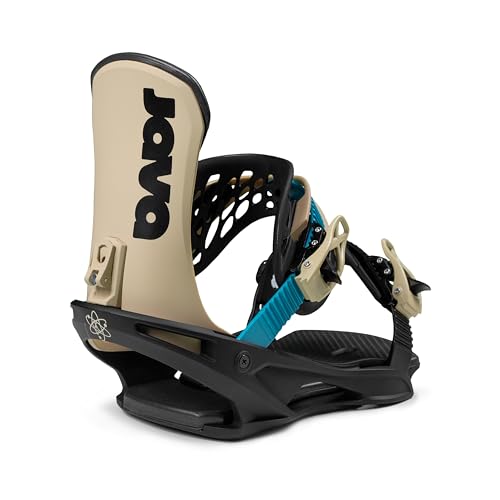
- ✓ Easy to release and attach
- ✓ Comfortable, vibration-absorbing design
- ✓ Universal compatibility
- ✕ Slightly pricey
- ✕ Limited color options
| Size Options | Small (US mens 4.5-7), Medium (US mens 7-10), Large (US unisex 9.5-14) |
| Mounting Compatibility | Works with 4×4, 2×4, and channel snowboard mounting systems |
| Adjustable Features | Forward lean mechanism, customizable toe and ankle straps with quick-grab ratchets |
| Padding and Comfort | Padded high-back and cushioned footbed for vibration absorption |
| Construction | Lightweight, durable build with tucking ankle ladder strap |
| Binding Size Range | Suitable for US men’s sizes 4.5 to 14 |
The moment I clicked the Fuzz Pedal 2 Bindings onto my snowboard, I immediately noticed how lightweight and streamlined they felt. The tucking ankle ladder strap kept everything looking clean on top of my boot, which is a small detail but makes a big difference when you’re carving through fresh powder.
The quick-release mechanism is a game-changer. Snap them off in seconds without fumbling, which is perfect when you’re eager to switch from riding to walking mode or need to get off the lift fast.
The ratchet closures on the toe and ankle straps are effortless to tighten or loosen, even with gloves on, making adjustments quick and simple on the hill.
The adjustable forward lean feature provides a comfy, natural stance, helping reduce fatigue during long runs. Plus, the cushioned footbed and padded hi-back absorb vibrations well, offering a smoother ride over bumpy terrain.
The universal compatibility with most mounting patterns means I didn’t have to worry about my board’s setup—these bindings fit right out of the box.
What really impressed me was how sturdy yet lightweight they are. Despite the minimalist design, they didn’t feel flimsy or fragile, even after a few intense sessions.
The medium size fit my US men’s 8 boot perfectly without feeling tight or too loose, and I appreciated the adjustable straps for a personalized fit.
Overall, these bindings deliver a perfect mix of convenience, comfort, and durability. They’re especially ideal if quick releases are a priority, saving you time and hassle on the mountain.
Plus, the clean look really keeps your setup sleek and stylish.
Nidecker Supermatic Snowboard Binding M Carbon
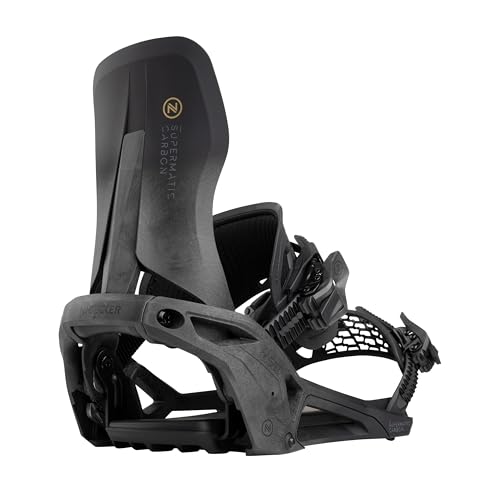
- ✓ Fast, effortless entry and exit
- ✓ Compatible with any boot
- ✓ Feels just like traditional bindings
- ✕ Slight learning curve
- ✕ Higher price point
| Baseplate Material | Glass-filled nylon |
| Binding Type | Automatic quick-release snowboard binding |
| Compatibility | Universal fit for any snowboard boot from any brand |
| Heel Pedal Mechanism | Flip-up heel pedal for easy entry and exit |
| Strap System | AuxTech straps with ratchet operation |
| Adjustability | Operable ratchets for traditional strap tightening if needed |
Imagine slipping your boot into a binding and feeling an almost instant sense of freedom — no fuss, no fussing with straps. That’s exactly what I experienced with the Nidecker Supermatic.
The moment I pushed my foot in and stepped down on the heel pedal, the hiback flipped up smoothly, like magic. It was a whole new level of effortless, especially when rushing to catch the chairlift.
This automatic binding is surprisingly lightweight and feels just like a traditional two-strap setup. The glass-filled nylon baseplate feels sturdy, giving me confidence on steep drops and icy patches.
The AuxTech straps are comfy and wrap around your boot seamlessly, providing good support without feeling bulky. And the best part?
It works with any boot, regardless of brand, so I didn’t have to worry about compatibility.
Switching out of the binding is just as quick — a simple lever releases your foot instantly. I found myself using the ratchets normally when needed, which is great for variable conditions or if you prefer the classic feel.
The design is intuitive, and I could get in and out in seconds, saving time and frustration on busy days.
Honestly, this binding feels like a game changer for quick transitions and saving time on the mountain. It’s perfect for riders who want speed and simplicity without sacrificing support or performance.
My only minor gripe is that it might take a little getting used to for those accustomed to traditional buckles, but overall, it’s a fantastic innovation.
What Makes a Snowboard Binding a Quick Release Binding?
The best quick release snowboard bindings feature mechanisms that allow for rapid disengagement of the boot from the binding, enhancing convenience and safety.
- Lever Mechanism: This system uses a lever that, when pulled, quickly releases the boot from the binding. It allows riders to easily exit the binding without having to unbuckle multiple straps, making it ideal for situations where time is essential, such as when adjusting gear or during a fall.
- Push Button Release: Bindings with a push button release feature a simple button that, when pressed, releases the boot from the binding. This design is intuitive and can often be operated with one hand, providing a quick and efficient way to detach from the board.
- Rotating Highback: Some quick release bindings incorporate a highback that rotates away from the boot when released. This design not only aids in the quick release process but also helps improve comfort and ease of entry when putting the boot back in the binding.
- Magnetic Closure System: This innovative mechanism utilizes magnets to secure the boot in place and allow for rapid release. The magnetic system ensures a strong hold during riding while providing the simplest disengagement process possible, making it a popular choice for riders looking for efficiency.
- One-Touch Adjustment: Many quick release bindings feature one-touch adjustment systems that allow for instant modifications to the fit of the binding. This adaptability means that riders can quickly adjust their bindings without the hassle of removing their gloves or taking off their boots.
What Benefits Does a Quick Release Snowboard Binding Offer Over Traditional Bindings?
Quick release snowboard bindings provide several advantages over traditional bindings, enhancing convenience and performance on the slopes.
- Ease of Entry and Exit: Quick release bindings allow for faster and simpler strapping in and out compared to traditional bindings.
- Adjustability: Many quick release systems offer on-the-fly adjustability, enabling riders to fine-tune their fit without needing to unstrap.
- Improved Safety: The quick release mechanism can enhance safety by allowing riders to detach quickly in case of falls or emergencies.
- Comfort: These bindings often feature ergonomic designs that provide added comfort while riding, reducing fatigue.
- Time Efficiency: Quick release bindings save time on the mountain, allowing riders to spend more time riding and less time getting ready.
Ease of Entry and Exit: Quick release bindings utilize a mechanism that allows snowboarders to lock and unlock their boots with minimal effort, often just a push of a button or pull of a lever. This feature drastically reduces the time needed to get in and out of the bindings, making it especially beneficial in cold weather or when dealing with cumbersome gear.
Adjustability: Many quick release bindings come with features that allow riders to make adjustments to the strap tension and fit without having to completely unstrap. This means that if a rider feels discomfort or needs a different fit on the go, they can quickly modify their bindings for a more personalized experience.
Improved Safety: The quick release mechanism is designed to enable snowboarders to detach their feet from the board swiftly, which can be a crucial safety feature in case of falls. In high-stress situations, being able to release the binding quickly can prevent injury and allow for a faster recovery.
Comfort: Quick release snowboard bindings are often engineered with additional padding and ergonomic shapes that enhance comfort during rides. The design seeks to distribute pressure evenly across the foot, minimizing discomfort and fatigue during long days on the slopes.
Time Efficiency: By reducing the time needed to strap in and out, quick release bindings contribute to a more streamlined experience on the mountain. Riders can maximize their time spent riding, which is particularly advantageous during busy days when lift lines may be longer.
How Does a Quick Release Snowboard Binding Function?
A quick release snowboard binding allows for easy and rapid detachment from the snowboard, enhancing convenience and safety for riders.
- Release Mechanism: The binding features a lever or button that, when activated, releases the boot from the binding.
- Adjustable Straps: Most quick release bindings come with adjustable straps to ensure a secure fit for various boot sizes.
- Durable Materials: These bindings are typically made from high-quality materials that withstand the stresses of snowboarding while maintaining functionality.
- Compatibility: Quick release bindings are designed to be compatible with a wide range of snowboard boots, making them versatile for different riders.
Release Mechanism: The release mechanism is the core feature of quick release snowboard bindings, often designed as a simple lever or a push-button. This allows the rider to unclip their boots from the board quickly, which is especially useful in situations where ease of access is crucial, such as during lift rides or in emergencies.
Adjustable Straps: Adjustable straps are essential for providing a snug fit, which contributes to better control and comfort while riding. These straps can be modified to accommodate different boot sizes, ensuring that the bindings maintain a secure grip on the rider’s feet without causing discomfort.
Durable Materials: Quick release snowboard bindings are constructed from robust materials such as high-grade plastics and aluminum, which offer both lightweight properties and resilience against the harsh conditions of snowboarding. This durability ensures that the binding can withstand impacts and maintain its functionality over time.
Compatibility: Compatibility is a significant factor for snowboarders, and many quick release bindings are designed to work with a variety of boot shapes and sizes. This flexibility allows different riders to use the same binding system without worrying about fitting issues, making it an attractive option for shared or rental gear.
What Key Features Should You Consider in Quick Release Bindings?
When selecting the best quick release snowboard bindings, several key features should be considered to ensure safety, performance, and comfort.
- Release Mechanism: The efficiency and reliability of the quick release mechanism are crucial. Look for a binding that allows for easy and quick adjustments without compromising security, ensuring you can swiftly detach from your board in emergencies.
- Flexibility: The flex rating of the bindings influences your riding experience. Softer flex bindings offer more comfort and maneuverability for beginners, while stiffer bindings provide better response and control for advanced riders.
- Strap Design: The design and padding of the straps affect comfort and support. Look for well-cushioned straps that distribute pressure evenly, and consider whether the straps are adjustable to fit different boot sizes securely.
- Baseplate Construction: The material and design of the baseplate impact durability and performance. A lightweight yet sturdy baseplate can enhance responsiveness and reduce fatigue, allowing for better energy transfer between your body and the board.
- Compatibility: Ensure that the bindings are compatible with your snowboard and boots. Different mounting systems, such as 4-hole or channel systems, may require specific bindings, so check the specifications to avoid compatibility issues.
- Weight: The overall weight of the bindings can influence your performance on the slopes. Lighter bindings can help reduce fatigue and improve your agility, whereas heavier bindings may provide added stability but can be more tiring during long rides.
- Adjustability: Look for bindings that offer multiple adjustment points for a customized fit. This feature allows you to fine-tune the positioning of the straps and highbacks, enhancing your comfort and performance based on your riding style.
- Durability: The materials used in the construction of the bindings significantly affect their lifespan. Opt for bindings made from high-quality materials that can withstand the wear and tear of regular use in harsh snowboarding conditions.
- Brand Reputation: Consider brands known for their quality and innovation in snowboard gear. Trusted brands often provide better customer support and warranties, ensuring that you have assistance if any issues arise.
Which Brands Are Leading the Market for Quick Release Snowboard Bindings?
The leading brands for quick release snowboard bindings are:
- Burton: Known for its innovative designs and advanced technology, Burton offers quick release bindings that focus on ease of use and comfort. Their products often feature a robust construction, ensuring durability while maintaining lightweight characteristics that enhance performance on the slopes.
- Union: Union has built a reputation for high-quality bindings that combine functionality with style. Their quick release mechanisms are designed for seamless transitions, allowing riders to easily secure and release their boots, making them ideal for both beginners and experienced snowboarders.
- Flow: Flow bindings are distinguished by their unique rear-entry system, which allows riders to slide into their bindings effortlessly. This quick release feature not only saves time but also provides a secure fit, enhancing the overall riding experience while minimizing the hassle of traditional strap bindings.
- K2: K2 is celebrated for producing user-friendly bindings that cater to a wide range of riders. Their quick release technology is engineered for quick adjustments and secure locking, making it easier for snowboarders to focus on their performance rather than struggling with gear.
- Ride: Ride bindings are known for their sturdy construction and innovative designs, featuring quick release systems that prioritize ease of use and reliability. These bindings offer responsive performance, making them suitable for aggressive riders looking for high performance in varied conditions.
What Are the Top Recommended Quick Release Snowboard Bindings for Different Riding Styles?
The best quick release snowboard bindings cater to various riding styles, ensuring comfort and performance on the slopes.
- Burton Hitchhiker: This binding is designed for backcountry riders, featuring a lightweight construction and an innovative quick-release mechanism that allows for easy entry and exit. Its high-back offers excellent support while remaining flexible enough for dynamic movements, making it ideal for both uphill tours and downhill descents.
- Union Atlas: Known for its durability and versatility, the Union Atlas bindings are perfect for all-mountain riders. The quick release feature ensures a seamless transition when switching between different terrains, while the high-back provides ample response and support for aggressive riding styles.
- Salomon Hologram: Aimed at freestyle and park riders, the Salomon Hologram bindings offer a comfortable fit with a unique quick-release system that enhances convenience. The soft flex allows for greater maneuverability during tricks, while the cushioned straps provide comfort and reduce fatigue during long sessions.
- Ride Rodeo: Ideal for beginner to intermediate riders, the Ride Rodeo bindings combine ease of use with a user-friendly quick-release feature. With a softer flex and padded straps, they deliver comfort and responsiveness, making them a great choice for those still mastering their skills on the slopes.
- Flux DS: These bindings offer a perfect blend of performance and comfort, with a quick-release system that is easy to operate. The Flux DS is well-suited for all-mountain riding, delivering a responsive feel and a secure fit, which allows riders to tackle a variety of conditions with confidence.
How Do Quick Release Bindings Compare to Traditional Bindings in Performance and Convenience?
| Aspect | Quick Release Bindings | Traditional Bindings |
|---|---|---|
| Performance | Offers quick adjustments and easier entry/exit, enhancing overall ride efficiency. | Provides stable support but can be slower to adjust and less convenient on the slopes. |
| Convenience | Designed for fast on/off, ideal for those who frequently stop or switch settings. | More time-consuming to put on/take off, requiring more effort for adjustments. |
| Weight | Typically lighter due to fewer components, enhancing agility. | Generally heavier, sometimes leading to fatigue over long rides. |
| Durability | May have more moving parts that can wear out quicker if not maintained. | Built for long-lasting use, often requiring less frequent maintenance. |
| Target User Demographics | Best suited for beginners or casual riders who prioritize ease of use. | Favored by experienced riders who value performance and don’t mind slower adjustments. |