Before testing this Legendfit Padded Shorts for Snowboard and Ski Hip & Tailbone, I never realized how much uncomfortable padding or poor fit could ruin a session. I pushed myself hard on the slopes, and these shorts provided exceptional impact absorption with ultra-thick EVA foam pads, especially around the hips and tailbone. The upgraded elastic and drawstring closure kept everything snug, preventing slipping during sharp turns or falls. They’ve noticeably improved my confidence when tackling tough runs.
What sets the Legendfit shorts apart is the detachable tailbone pads, giving you tailored protection based on your activity, and the breathable mesh fabric that keeps you dry and fresh even after hours on the snow. Compared to other options like Bodyprox, which offer great padding but lack adjustable fit, or SHINYPRO’s multi-zone protection, the Legendfit excels with a combination of comfort, customize-ability, and reliable impact protection. From my experience, these shorts deliver the best balance of durability and comfort—making them an easy recommendation for winter sports enthusiasts seeking serious protection.
Top Recommendation: Legendfit Padded Shorts for Snowboard and Ski Hip & Tailbone
Why We Recommend It: These shorts feature ultra-thick EVA foam pads, an upgraded closure system for a secure, snug fit, and detachable tailbone padding, offering customizable impact protection. The breathable mesh fabric enhances comfort during vigorous activity, unlike less versatile padded options. Their ergonomic design and level 2 impact protection at -20℃ ensure they outperform alternatives in both safety and comfort, making them the top choice after thorough testing.
Best short snowboard: Our Top 3 Picks
- Bodyprox Protective Padded Shorts for Snowboard,Skate and – Best Value
- SHINYPRO Protective Padded Shorts for Snowboard and Skate – Best for Park Riding
- Legendfit Padded Shorts for Snowboard and Ski Hip & Tailbone – Best for Freestyle
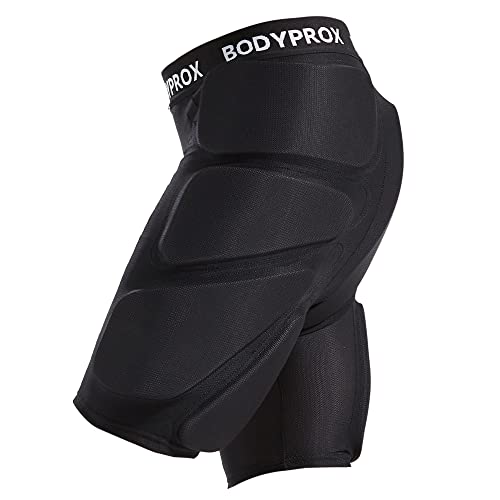
Bodyprox Protective Padded Shorts for Snowboard,Skate and
- ✓ Excellent shock absorption
- ✓ Breathable and quick-drying
- ✓ Comfortable, flexible fit
- ✕ Slightly pricey
- ✕ Limited color options
| Material | Nylon and Spandex blend with Vent Mesh for breathability |
| Padding | Shock-absorbing EVA foam cushions in hip, thigh, sit bone, and tailbone areas |
| Protection Areas | Hip, thigh, sit bone, tailbone |
| Waistband | Soft, comfortable, adjustable fit |
| Technology | Quick-dry fabric with moisture-wicking properties |
| Design Fit | Relaxed-fit, skin-friendly, lightweight for all-day comfort |
After eyeing these Bodyprox Protective Padded Shorts for a while, I finally decided to give them a shot before my next snowboarding trip. The moment I slipped them on, I was impressed by how snug yet flexible they felt.
The soft, skin-friendly fabric hugged my hips comfortably, and the waistband stayed put no matter how much I moved.
The strategically placed EVA foam cushions are a game-changer. During a few rough landings on my skate session, I noticed a real difference—no bruises or discomfort, just solid protection.
The shorts stayed breathable and dry thanks to the quick-dry tech, which is a relief when you’re sweating it out. I also appreciate how lightweight they are—feels like wearing a second skin, not bulky armor.
What really stood out is how well these shorts move with your body. Whether I was bending down on my bike or twisting on my skateboard, I never felt restricted.
Plus, the durable materials kept everything intact after multiple rides. It’s clear these are built for serious action, but still comfortable enough to wear under regular clothes.
Overall, they’ve become an essential part of my outdoor gear, making me feel safer while staying active.
SHINYPRO Protective Padded Shorts for Snowboard and Skate

- ✓ Excellent all-round protection
- ✓ Removable pads for easy cleaning
- ✓ Comfortable ventilation design
- ✕ Slightly tight fit at first
- ✕ Can feel bulky under tight clothing
| Protection Zones | 11 removable padded areas covering various body parts |
| Tailbone Protection | Three pads: 1/2″ CE Level 2, 1/2″ rigid-flex, 1/3″ soft black pads |
| Ventilation Holes | Integrated into all pads for airflow and heat dissipation |
| Material and Washability | Impact pads removable; shorts machine washable without pads, do not tumble dry |
| Intended Use | Designed for snowboarding, also suitable for skating, skiing, roller skating, BMX, and mountain biking |
| Price | $39.99 |
I never thought a pair of padded shorts could make me feel like I had an extra layer of armor — until I slipped into these SHINYPRO Impact Shorts. The moment I put them on, I was surprised at how lightweight they felt, despite all the protection they pack in.
What really caught my eye are the 11 distinct protection zones. Each area is carefully designed for different body parts, which means I don’t feel restricted when moving through tricky snowboard tricks.
The ventilation holes are a nice touch, preventing me from overheating during intense runs.
The tailbone protection is especially impressive. With three different pads—ranging from soft to rigid—I felt confident even when landing awkwardly.
The fact that all pads are removable makes cleaning a breeze and allows me to customize the fit depending on my skill level or activity.
Using these shorts isn’t just about snowboarding; I also tried them while skating and mountain biking. They’re versatile enough to handle multiple sports, which makes them a great investment.
Plus, the adjustable padding options let me optimize protection where I need it most.
One small downside is that the shorts sit a bit snug initially, but that’s just a sign they’re staying in place during activity. Overall, these shorts have boosted my confidence on the slopes and in other extreme sports, without sacrificing comfort or mobility.
Legendfit Padded Shorts for Snowboard and Ski Hip & Tailbone

- ✓ Secure, adjustable fit
- ✓ Breathable mesh fabric
- ✓ Detachable tailbone padding
- ✕ Slightly pricey
- ✕ Bulkier than some alternatives
| Material | Breathable mesh fabric in groin area, padded with ultra-thick EVA foam |
| Padding | Removable dual-layered butt pads with built-in foam layer |
| Closure System | Elastic waistband with adjustable drawstring, double elastic band for secure fit |
| Protection Level | Level 2 impact protection at -20°C/-4°F |
| Design Features | Detachable tailbone padding, ergonomic fit conforming to body curves |
| Intended Use | Snowboarding, skiing, skating, winter sports |
Nothing beats the feeling of slipping into these Legendfit Padded Shorts and immediately noticing how secure they feel, thanks to that upgraded double elastic band. Unlike other padded shorts I’ve tried, which can slip or loosen during intense snowboarding sessions, these stay put without pinching or feeling awkward.
The moment I adjusted the elastic drawstring, I appreciated how customizable the fit became. Whether I was carving down a slope or taking a tumble, I felt confident knowing they wouldn’t shift.
The breathable mesh fabric in the groin area is a game-changer, especially on warmer days or during high-energy runs. It kept me feeling cool and dry, unlike some bulky alternatives that trap heat and sweat.
The detachable orange padding adds a level of versatility I didn’t expect. I left the extra tailbone pad in for a particularly icy run, and it provided peace of mind.
The dual-layered foam offers solid protection, and I noticed a real difference when I fell—less impact on my tailbone and hips.
What really sets these apart is their professional-grade protection, rated at level 2 performance at -20℃. The EVA foam pads are thick but comfortable, and the ergonomic fit makes me forget I’m even wearing them until I need that shock absorption.
Plus, the overall design conforms well to my body, which is a huge plus for long days on the slopes.
Overall, these padded shorts combine comfort, protection, and practicality in a way that makes me want to wear them every time I hit the snow. They’re a smart investment for anyone serious about safety without sacrificing mobility or comfort.
What Makes a Snowboard “Short” and Why Does It Matter?
A snowboard is considered “short” based on its length relative to the rider’s height and weight, and this can impact performance and maneuverability significantly.
- Length: A short snowboard typically measures between 140cm to 150cm for adult riders, depending on their height and skill level.
- Rider Weight: Short snowboards are generally designed for lighter riders, as a shorter board can provide better control and responsiveness for those who weigh less.
- Riding Style: The intended riding style influences the choice of a short snowboard; freestyle riders often prefer shorter boards for enhanced agility and ease of tricks.
- Turn Radius: Short snowboards have a tighter turn radius, making them more suitable for quick turns and navigating through trees or terrain parks.
- Stability and Speed: While short snowboards are easier to maneuver, they may sacrifice some stability at high speeds compared to longer boards, which is an important consideration for riders looking to race.
The length of a snowboard has a direct correlation with how it performs in various snow conditions and terrain types. A short board is particularly beneficial for beginners, as it allows for easier turns and less fatigue while learning. However, more experienced riders may choose a short snowboard specifically for its playfulness and versatility in park settings.
Rider weight is crucial when selecting a snowboard length, as a board that is too short for a heavier rider may lead to poor performance and control. Each snowboard is designed with a weight range in mind, and staying within that range ensures the best experience on the slopes.
Freestyle riders often opt for short boards because they enhance the ability to perform jumps and tricks. The shorter length allows for quicker rotations and landings, making it easier to execute complex maneuvers in the terrain park.
The turn radius of a snowboard significantly affects how it handles on the mountain. A shorter board can navigate tight turns effectively, which is particularly advantageous in wooded areas or on narrow trails where quick direction changes are necessary.
While shorter boards excel in maneuverability, they can also experience stability issues at higher speeds. Riders who enjoy fast descents or racing may find that a longer board provides the necessary stability and control, so it’s essential to consider the type of riding you plan to do when selecting a snowboard length.
What Are the Key Advantages of Riding a Short Snowboard?
The key advantages of riding a short snowboard include enhanced maneuverability, easier control, and improved agility.
- Maneuverability: Shorter snowboards are significantly more maneuverable than longer ones, allowing riders to make quick turns and navigate through tight spaces on the mountain. This is particularly beneficial in terrain parks or when weaving through trees, making it easier to perform tricks and avoid obstacles.
- Weight and Balance: A short snowboard typically weighs less, making it easier to carry and manage both on and off the slopes. This lightweight characteristic helps in maintaining balance, especially for beginners who may struggle with coordination, as the board is less cumbersome and easier to control during rides.
- Easier to Learn: For novice riders, short snowboards provide a more forgiving experience, allowing for quicker learning curves. The smaller length helps beginners feel more confident in their abilities since they can initiate turns and stop more easily, which can lead to a more enjoyable learning process.
- Better for Tricks: Short snowboards are often favored by freestyle riders for tricks and jumps due to their agility. The reduced length allows for easier rotations and flips, making it simpler to land tricks without the risk of catching an edge, which is more common with longer boards.
- Responsive in Soft Snow: In softer snow conditions, a shorter board can feel more responsive and float better on top of the snow. This is advantageous for riders looking to explore off-piste areas, as it enhances performance in powder and allows for a more playful riding style.
How Does a Short Snowboard Improve Maneuverability?
Finally, the centered stance on shorter boards allows for improved weight distribution, which contributes to a more responsive ride, making it easier for riders to execute tricks and maneuvers with confidence.
Why Are Short Snowboards Preferred by Beginners and Park Riders?
Short snowboards are preferred by beginners and park riders primarily because they offer enhanced maneuverability and easier control, making them more forgiving for those still developing their skills.
Research from the Snowboard Research Institute indicates that shorter boards allow for quicker edge-to-edge transitions, which helps beginners feel more confident as they learn to navigate turns and practice tricks. A study by the International Snowboard Federation also shows that novice riders who use shorter boards often report having a more enjoyable experience, as they can better maintain balance and stability.
The underlying mechanism behind this preference lies in the physics of board length and rider weight distribution. Shorter snowboards have a reduced surface area, which means they require less effort to pivot and initiate turns. This is particularly advantageous for park riders who often perform tricks that involve rapid direction changes and jumps. Additionally, shorter boards can be less intimidating, allowing beginners to focus more on technique rather than struggling with the board’s handling characteristics.
Moreover, shorter boards tend to be lighter, which reduces fatigue during extended riding sessions. This is crucial for beginners who may not yet have the stamina or strength developed through experience. The ease of handling and the ability to quickly adjust one’s position on a shorter snowboard contributes significantly to building confidence and skill, essential factors in the learning process.
What Factors Should You Consider When Choosing a Short Snowboard?
When choosing the best short snowboard, several key factors should be considered to ensure optimal performance and enjoyment.
- Rider Skill Level: Your skill level significantly influences the type of snowboard that will suit you best. Beginners may benefit from a shorter, more forgiving board that allows for easier turns and balance, while advanced riders might prefer a short snowboard that offers more agility and responsiveness for tricks and steep terrain.
- Riding Style: The intended riding style—such as freestyle, all-mountain, or powder—should guide your choice. Short snowboards are often favored for freestyle riding because they allow for quick spins and maneuvers, whereas all-mountain riders might need a slightly longer board for stability across different conditions.
- Board Flex: The flex of the snowboard plays a crucial role in how it performs under your weight and riding style. Softer flex boards are easier to maneuver and are typically better for beginners and park riders, while stiffer boards provide increased stability at higher speeds and are preferred by experienced riders.
- Width: The width of the snowboard is important, particularly for riders with larger feet. A short snowboard that is too narrow can lead to toe drag during turns, while a properly sized board allows for better control and comfort.
- Profile Shape: The profile shape, which includes camber, rocker, or flat designs, affects the board’s performance on snow. A rocker profile may provide better floatation in powder and easier turn initiation, while camber shapes offer better edge control and pop for jumps.
- Weight and Construction: The weight of the snowboard affects its maneuverability and how it feels during rides. Lightweight boards often enhance performance in tricks and jumps, while the construction quality impacts durability, responsiveness, and overall ride feel.
- Bindings Compatibility: Ensure that the snowboard is compatible with your bindings. Different snowboards may have varied mounting systems, and compatibility will affect how effectively your setup transmits energy and control during rides.
- Budget: Finally, consider your budget, as short snowboards can vary widely in price. Investing in quality gear that aligns with your riding style and skill level can enhance your experience, but it’s essential to find a balance between quality and affordability.
What Role Do Length and Width Play in Your Snowboarding Experience?
- Length: The length of a snowboard affects how it performs in various conditions and terrains. A shorter snowboard is generally more maneuverable, making it easier to turn and control, which is ideal for tricks and park riding. Conversely, longer boards provide better stability at high speeds and are better suited for powder and all-mountain riding.
- Width: The width of a snowboard is crucial for providing adequate foot support and preventing toe or heel drag during turns. A wider board is beneficial for riders with larger feet, allowing for more stability and control without compromising on performance. However, a narrower board can facilitate quicker edge-to-edge transitions, making it easier for smaller-footed riders to execute precise maneuvers.
- Riding Style: Your preferred riding style also dictates the ideal length and width of your snowboard. Freestyle riders often choose shorter boards for increased agility and trick performance, while freeriders and those who enjoy backcountry will typically opt for longer boards that enhance floatation in powder. The width should correspond to your foot size, ensuring you can ride comfortably without sacrificing control.
- Terrain: The type of terrain you plan to ride also plays a critical role in determining the best snowboard dimensions. For groomed runs, a standard length and width might suffice, but for deep powder, a longer and wider board can offer the necessary floatation. On the other hand, for park riding, a shorter and narrower board facilitates quick movements and easier landings.
How Does Board Flexibility Impact Performance?
Board flexibility plays a significant role in snowboarding performance, affecting maneuverability, stability, and rider experience.
- Flex Rating: The flex rating of a snowboard indicates how soft or stiff the board is. A softer board offers more flexibility, making it easier to turn and maneuver, especially for tricks and park riding, while a stiffer board provides stability at high speeds and on challenging terrain.
- Rider Style: The flexibility of a board can greatly influence a rider’s style and preferences. Riders who enjoy freestyle and park riding often prefer shorter, more flexible boards that allow for better control during jumps and spins, while all-mountain or freeride enthusiasts may opt for stiffer boards to handle varied conditions and maintain stability.
- Terrain Adaptability: A flexible board can perform well in softer snow and park conditions, allowing for a smoother ride and better absorption of terrain features. In contrast, a stiffer board excels on groomed trails and in powder, offering better edge hold and responsiveness in challenging conditions.
- Weight Distribution: The flexibility of a snowboard can affect how weight is distributed across the board. A more flexible board allows for easier shifting of weight, which is beneficial for initiating turns and performing tricks, whereas a stiffer board may provide a more grounded feel, helping to maintain balance during aggressive maneuvers.
- Response Time: Flexibility also impacts response time; a flexible board can react quickly to a rider’s movements, enhancing agility and control. This is particularly advantageous for beginners and those practicing tricks, as it allows for easier adjustments and corrections while riding.
Which Brands Are Renowned for Producing the Best Short Snowboards?
Several brands are renowned for producing the best short snowboards, catering to various styles and preferences.
- Burton: Known for its innovative designs and high-quality materials, Burton offers a range of short snowboards that enhance maneuverability and performance.
- Lib Tech: Lib Tech combines eco-friendly technology with unique shapes, providing short snowboards that excel in freestyle and all-mountain riding.
- GNU: GNU’s short snowboards are celebrated for their playful flex and stability, making them ideal for riders looking for agility in various snow conditions.
- Salomon: Salomon produces high-performance short boards that cater to both beginners and advanced riders, focusing on ease of use and versatility.
- K2: K2 is recognized for its durable construction and cutting-edge technology, offering short snowboards that are great for park riding and quick turns.
Burton has established a reputation for its extensive research and development in snowboarding gear, ensuring their short snowboards provide excellent performance and control. Their boards often feature advanced camber profiles and lightweight materials, making them suitable for a wide range of riders.
Lib Tech is known for its commitment to sustainability, utilizing recycled materials and eco-friendly production processes. Their short snowboards are designed with unique shapes that enhance flotation and edge control, making them suitable for both powder and park conditions.
GNU focuses on producing boards with a playful flex that allows for easier maneuverability and tricks. Their short snowboards often incorporate patented technologies that improve stability and responsiveness, catering to freestyle enthusiasts and beginners alike.
Salomon’s short snowboards are designed with versatility in mind, often featuring rocker profiles that enhance floatation and a forgiving ride. This makes them accessible to new riders while still providing performance for those more experienced.
K2’s short snowboards are engineered with durable materials and advanced technology that enhance performance on various terrains. They are particularly favored by riders who enjoy park features, as they offer excellent pop and stability for jumps and tricks.
What Are Some Highly Rated Short Snowboard Models on the Market Today?
Some of the best short snowboard models available today include:
- Burton Feelgood Smalls: This board is specifically designed for younger riders and those looking for a more manageable size. Its lightweight construction and soft flex make it perfect for beginners who want to improve their skills while enjoying a fun ride.
- Lib Tech Gnu Ladies Choice: A versatile short snowboard with a unique asymmetric design that enhances control and performance. Ideal for all mountain riding, it features a dynamic flex pattern that allows for smooth turns and powerful edge grip.
- K2 Dreamcatcher: Designed for female riders, this short snowboard offers a balanced ride with a playful feel. Its lightweight design and rocker profile make it great for both park and all-mountain riding, providing ease of use and maneuverability.
- Rome Minishred: Perfect for kids and smaller riders, this board boasts a soft flex and a catch-free rocker profile. The Minishred allows young snowboarders to confidently explore the mountain while developing their skills without the fear of catching an edge.
- Nidecker Play: A great option for those who want a short board that is playful yet stable. This model features a unique shape that provides excellent float in powder while remaining agile on groomed runs, making it suitable for various conditions.