
The first thing that struck me about the EYE MINI CORE Golf Launch Monitor & Simulator wasn’t its sleek look but rather how responsive and detailed the real-time tracking feels. I tested it with various balls and was impressed by how seamlessly it reads dimple patterns without stickers, which simplifies setup and saves time. Watching the high-speed cameras deliver near-zero latency made practicing feel like being on a real course.
And it goes beyond tracking. The included VIEW software provides insightful data on your swing, helping you improve faster. Plus, with third-party compatibility, you can customize your experience with full course play and online challenges. Compared to the other options—like the simple control box or fun mobile simulator—this model offers a blend of advanced tech and versatility, giving you real value and durability for serious golf training at home.
Top Recommendation: EYE MINI CORE Golf Launch Monitor & Simulator
Why We Recommend It: This monitor stands out because of its real-time club and ball tracking with Dimple Optix and Club Optix, providing nearly instant feedback on impact and swing. Its robust software suite enables detailed analysis and immersive gameplay, which the other options lack—especially the affordable and easy-to-use control box or limited content simulator. Its high-end specs and compatibility make it the best overall choice for serious golf simulation at home.
Best pc for golf simulator: Our Top 4 Picks
- EYE MINI CORE Golf Launch Monitor & Simulator – Best high-performance PC for golf simulator
- Roxor Golf SKT Plug & Play Simulator Control Box for Skytrak – Best desktop for golf simulation
- SLX MicroSim Indoor Mobile Golf Simulator: Fun Interactive – Best budget PC for golf simulator
- Glooglitter Golf Spot Light Kit with 20 Plastic Tees – Best for enhancing golf simulator experience
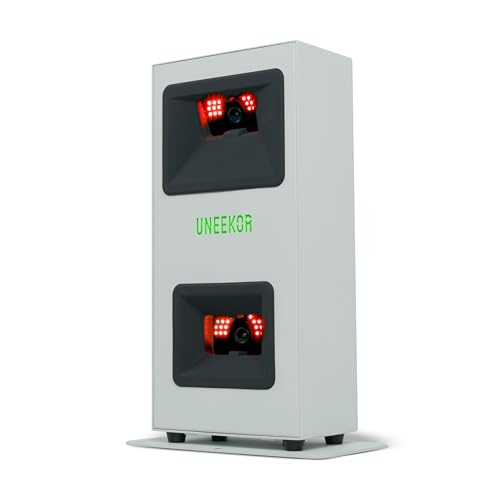
EYE MINI CORE Golf Launch Monitor & Simulator
- ✓ No ball stickers needed
- ✓ Accurate real-time data
- ✓ Immersive 4K courses
- ✕ High PC requirements
- ✕ Premium price point
| Tracking Technology | High-speed cameras and infrared sensors with Dimple Optix for near-zero latency |
| Compatible Software | VIEW, GSPro, E6 Connect, TGC19, Creative Golf 3D |
| Hardware Requirements (Simulation) | Intel Core i7 Gen12 or Ryzen 7+, 32GB RAM, RTX 4070 (16GB VRAM), Windows 11 |
| Hardware Requirements (VIEW Software) | Intel Core i5 Gen12 or Ryzen 5+, 16GB RAM, RTX 3060 (6GB VRAM), Windows 11, 25Mbps internet |
| Included Features | Real-time club tracking with Club Optix (software upgrade required), 15 ball data points analysis, 4K immersive course visuals, online multiplayer and training modes |
| Price | USD 1249.0 |
Imagine setting up your golf simulator and realizing you’re stuck fiddling with stickers on every ball just to get accurate readings. Frustrating, right?
That’s where the EYE MINI CORE changes the game. As soon as I turned it on, I was impressed by how seamlessly it tracked any ball I used—no stickers needed, thanks to its Dimple Optix technology.
It reads any dimple pattern instantly, which is a huge time-saver and makes practice more natural.
The real-time tracking with high-speed cameras and infrared sensors meant I saw my swing data almost instantly. The VIEW software offers detailed analysis with 15 data points—no more guessing if your swing is improving.
Plus, the included session reports helped me track my progress over time. Pairing it with the optional Swing Optix gave me instant club feedback, which is perfect for quick adjustments after each shot.
The immersive 4K courses in the Ultimate Package brought a real sense of competition. Playing on championship courses from my living room felt surprisingly authentic, especially with the online multiplayer modes.
The software compatibility with popular programs like TGC19 and E6 Connect means I can access a wide range of courses and mini-games, making every session fresh and fun.
Of course, the PC specs are somewhat demanding, especially if you want to use the full simulation features. But overall, it’s a solid setup that makes home golf practice more enjoyable and precise.
If you’re tired of unreliable tech and complicated setups, this system really stands out for its ease of use and accuracy.
Roxor Golf SKT Plug & Play Simulator Control Box for Skytrak

- ✓ Plug & Play setup
- ✓ Long, flexible cable
- ✓ Hands-free control
- ✕ Limited to SkyTrak
- ✕ No wireless option
| Connectivity | USB wired connection (15ft cable) |
| Compatibility | Designed specifically for SkyTrak golf simulator |
| Setup | Plug & Play, no software or drivers required |
| Control Features | Hands-on control for gameplay and course play |
| Build Quality | Durable, reliable construction with lag-free performance |
| Cable Length | 15 feet |
I’ve had this Roxor Golf SKT Plug & Play Control Box on my radar for a while, especially since I keep tweaking my home golf setup. When it finally arrived, I was eager to see if it would simplify my SkyTrak experience.
Right out of the box, I noticed how straightforward it was—no fussing with drivers or extra software, just plug it in and start controlling my course play.
The 15-foot cable is a real game-changer. I was able to position the control box comfortably near my hitting area without feeling tethered or restricted.
It feels sturdy, and the wired connection is reliable, so I don’t have to worry about lag or disconnects mid-swing. It’s clear Roxor designed this with durability in mind, which is reassuring for long-term use.
Controlling my SkyTrak with this box makes a noticeable difference. No more juggling a keyboard or mouse, which helps me stay focused on my shots.
The controls are intuitive, and I appreciate that it’s optimized for SkyTrak course play—everything feels seamless, like it’s an extension of the system rather than an add-on.
Overall, it’s a simple upgrade that enhances the entire experience. If you want easy, reliable control without clutter or complexity, this is a solid choice.
It’s especially handy if you’re serious about making your golf simulator more user-friendly and immersive.
SLX MicroSim Indoor Mobile Golf Simulator: Fun Interactive

- ✓ Very accurate swing sensor
- ✓ Clear 4K graphics
- ✓ Easy to set up and use
- ✕ Limited expanded content
- ✕ Firmware updates needed
| Display Resolution | 4K Ultra HD |
| Software Platform | E6 CONNECT with SwingLogic Ventures |
| Content Subscription | $9.99/month for expanded content |
| Sensor Technology | Patented below-the-grip sensor placement for high accuracy |
| Compatibility | Real golf clubs and foam golf balls, calibration available for real balls |
| Response Time | Near-instant swing-to-shot display with fast processing algorithms |
The moment I unboxed the SLX MicroSim Indoor Golf Simulator, I was surprised by how solid and sleek it felt in my hands. The foam golf balls fit snugly into the foam-lined hitting area, and the high-quality swing stick made me feel like I was holding a real club.
When I took my first swing, I immediately noticed how responsive the system was, with almost no lag between my real shot and the on-screen result.
The setup process was straightforward—after downloading the E6 CONNECT software and registering, I was playing within minutes. The patented below-the-grip sensor really stood out, giving me confidence that my swings were being captured accurately.
I enjoyed the instant feedback on my swing analysis, which helped me spot small flaws I hadn’t noticed before. The graphics were sharp, and the 4K resolution made me feel immersed, especially on some of the famous courses included in the expanded content.
Using real golf clubs with foam or soft-hitting balls was surprisingly smooth. I appreciated how easy it was to calibrate the system for better accuracy with real balls, making practice sessions feel almost like being on a real course.
The response times were impressively quick, so I never felt like I was waiting for my shot to register. Plus, the ability to play outdoors or indoors, even while sitting down, makes this a versatile option for all ages and abilities.
Overall, this simulator offers a realistic and fun indoor golf experience with great value. It’s perfect for practicing during cold weather or just having some friendly competition at home.
While it’s not designed for high-end professional use, it hits the sweet spot for casual golf lovers who want quality and convenience.
Glooglitter Golf Spot Light Kit with 20 Plastic Tees

- ✓ Bright, adjustable lighting
- ✓ Durable plastic tees
- ✓ Easy remote control
- ✕ Limited color options
- ✕ Not suitable for outdoor use
| Lighting Type | Adjustable LED golf spotlight with color modes |
| Light Modes | White light for playing, colored lights for decoration |
| Remote Control Range | Over 20 feet with support for any-angle remote |
| Tees Material | High-quality durable plastic |
| Tees Sizes | Large: 1 ¾ inches, Small: ⅚ inches (height adjustable by trimming) |
| Power Source | Battery-powered (implied by remote control and portability) |
As soon as I unboxed the Glooglitter Golf Spot Light Kit, I was struck by how sleek and compact it feels in hand. The lightweight design makes it easy to maneuver, and the black matte finish gives it a modern look that doesn’t clash with my golf setup.
The included 20 plastic tees are sturdy, with a nice textured grip that feels durable yet flexible.
The spot light itself is surprisingly bright and adjustable. I loved how I could switch between white for practice and colorful modes for a bit of fun during parties.
The remote control feels responsive, with a decent range of over 20 feet, so I could change settings without moving around too much. Setting it up was straightforward—just a few minutes to position the light and arrange the tees.
The plastic tees come in two sizes, which is a thoughtful touch. The taller ones are perfect for driver practice, and I trimmed the shorter tees to suit my needs.
They’re made of tough plastic, so I don’t worry about them breaking easily. It’s a simple but effective way to make indoor golf practice more engaging, especially in dimly lit rooms where the lighting really makes a difference.
Overall, this kit adds a fun, functional twist to my indoor golf sessions. Whether I’m working on my swing or just enjoying some casual play, the adjustable lighting and versatile tees make a noticeable difference.
It’s a small investment that boosts confidence and keeps practice more lively.
What Key Features Should You Look for in the Best PC for Golf Simulation?
A high-quality GPU, like NVIDIA GeForce RTX or AMD Radeon, is critical for delivering stunning graphics and maintaining high frame rates, especially when simulating realistic golf courses and player animations. A powerful GPU will also support VR capabilities if you choose to enhance your simulation experience further.
Ample RAM, ideally 16GB or more, is necessary to allow the simulator software to operate seamlessly alongside other applications. This helps prevent crashes or slowdowns during gameplay, especially when using additional features or enhancements.
Fast storage solutions, particularly SSDs, provide significant improvements in load times and data retrieval speeds compared to traditional hard drives. This ensures that your simulator starts quickly and reduces waiting times when accessing various courses and settings.
Having multiple connectivity options, such as USB, HDMI, and Ethernet ports, is essential for connecting various peripherals, including motion sensors, additional monitors, and network connections for online play. This versatility ensures that you can set up your simulator exactly how you want it.
An efficient cooling system, whether through fans or liquid cooling, prevents overheating during long simulation sessions. This is crucial for maintaining performance levels and prolonging the lifespan of your components.
Choosing a PC with upgrade potential is wise as it allows you to adapt to future technological advancements or software updates. Being able to replace or upgrade parts like the GPU or RAM will keep your golf simulator running at peak performance for years to come.
Which Graphics Card is Essential for an Immersive Golf Simulation Experience?
The ideal graphics cards for an immersive golf simulation experience include:
- NVIDIA GeForce RTX 3080: This card excels in delivering high frame rates and stunning graphics quality, making it perfect for detailed environments in golf simulations.
- AMD Radeon RX 6800 XT: Known for its strong performance in both 4K gaming and virtual reality, this card ensures smooth gameplay with vibrant visuals that enhance the golfing experience.
- NVIDIA GeForce RTX 3070: A more budget-friendly option, the RTX 3070 still offers impressive performance and ray tracing capabilities, ensuring that golf simulations look realistic without breaking the bank.
- AMD Radeon RX 6700 XT: This card provides a solid balance of performance and cost, with good support for high refresh rates and crisp graphics, making it a viable choice for aspiring golf enthusiasts.
The NVIDIA GeForce RTX 3080 is a powerhouse that supports advanced rendering techniques, ensuring lifelike graphics and seamless gameplay, which are crucial for an immersive golf simulation experience. Its 10GB of GDDR6X memory allows for handling complex textures and environments, making every swing feel realistic.
The AMD Radeon RX 6800 XT stands out with its 16GB of GDDR6 memory and exceptional ray tracing capabilities, delivering high-quality visuals and impressive frame rates in demanding scenarios. This makes it ideal for rendering expansive courses and detailed character models in golf simulators.
The NVIDIA GeForce RTX 3070 is a great choice for those looking for high performance at a more accessible price point. With 8GB of GDDR6 memory and solid ray tracing support, it can handle most golf simulation software without compromising visual fidelity or gameplay smoothness.
The AMD Radeon RX 6700 XT provides a strong performance-to-price ratio, featuring 12GB of GDDR6 memory. It supports high refresh rates and can maintain quality graphics settings, making it a reliable option for golf simulation enthusiasts who want an engaging experience without overspending.
How Much RAM is Optimal for a Smooth Golf Simulator Performance?
- 8 GB RAM: This is the minimum recommended amount of RAM for most golf simulators, allowing for basic performance in less demanding software. However, while it may suffice for simpler simulations, users may experience lag or stuttering during more complex scenarios or when multitasking.
- 16 GB RAM: This is often considered the sweet spot for golf simulators, providing an excellent balance between performance and cost. With 16 GB, users can run demanding simulation software smoothly, handle additional applications, and ensure a more immersive experience without encountering significant slowdowns.
- 32 GB RAM: While typically more than necessary for most golf simulators, having 32 GB of RAM can be beneficial for users who wish to run multiple applications simultaneously or use advanced features like high-resolution graphics and detailed analytics. This level of RAM future-proofs the system and enhances overall performance, especially in a professional or serious gaming setup.
What Type of Storage Should You Choose for Your Golf Simulator PC?
The best storage options for a golf simulator PC are crucial for performance and speed, particularly when handling graphics-intensive software.
- Solid State Drive (SSD): SSDs offer significantly faster read and write speeds compared to traditional hard drives, which can greatly enhance the loading times of your golf simulation software and related applications.
- Hard Disk Drive (HDD): While HDDs provide larger storage capacities at a lower cost, they are slower than SSDs, which may result in longer load times and less responsiveness when accessing files or programs related to the simulator.
- M.2 NVMe SSD: These SSDs connect directly to the motherboard, offering even higher speeds than standard SATA SSDs, making them ideal for demanding applications like golf simulators that require quick data access and processing.
- Hybrid Drive (SSHD): Combining the benefits of both SSD and HDD, hybrid drives use a small amount of SSD storage for frequently accessed data while providing a larger HDD capacity, making them a versatile option for those needing both speed and space.
- External Storage Drives: External SSDs or HDDs offer additional storage options that are portable and easy to set up, allowing you to expand your storage capacity without opening your PC case, although they may be slower than internal drives.
Choosing the right type of storage depends on your specific needs for speed, capacity, and budget. For a golf simulator PC, an SSD or M.2 NVMe SSD is highly recommended for optimal performance, while HDDs can be a cost-effective solution for larger file storage. Hybrid drives offer a balance between performance and storage, making them suitable for users who require both. External drives can supplement internal storage but may not deliver the same speed advantages.
What are the Recommended Specifications for the Best Golf Simulator PC?
Investing in a PC with these specifications will not only improve gameplay but also future-proof your system for upcoming software updates and enhanced features in golf simulation technologies.
What Should You Consider When Choosing Between a Desktop and Laptop for Golf Simulation?
When choosing between a desktop and a laptop for golf simulation, several factors should be considered:
- Performance: Desktops generally offer better performance than laptops due to larger components and better cooling systems. This means they can handle high-end graphics and processing requirements of golf simulation software more efficiently, leading to smoother gameplay and more realistic simulations.
- Portability: Laptops provide the advantage of portability, allowing you to set up your golf simulator in different locations. This can be particularly useful if you want to practice in various spaces or transport your setup to different venues, while desktops are more stationary and require a dedicated space.
- Upgradeability: Desktops typically allow for easier upgrades, such as adding more RAM, a better graphics card, or additional storage. This means you can extend the lifespan of your golf simulator setup by keeping up with technological advances, while laptops often have limited upgrade options.
- Price: Generally, desktops can offer more powerful components for the same price compared to laptops. If budget is a significant factor, a desktop may provide better value for a high-performance golf simulator setup without compromising on quality.
- Display Options: With desktops, you can often connect multiple high-resolution monitors, which can enhance your golf simulation experience by providing a wider field of view. While some laptops support external displays, the versatility of a desktop setup allows for more customizable and immersive visual experiences.
- Cooling System: Desktops usually have superior cooling systems that can handle prolonged use without overheating. This is important for running demanding golf simulation software over extended periods, while laptops may struggle with thermal management, leading to potential performance throttling.
How Important is VR Compatibility for Your Golf Simulator Setup?
Finally, equipment compatibility is essential; a good VR golf simulator should easily integrate with various motion tracking devices and other accessories. This compatibility ensures that players receive accurate feedback on their swings and shots, significantly improving their practice sessions.
What Common Performance Issues Should You Anticipate with Golf Simulators on PC?
- Graphics Rendering: High-quality graphics are crucial for an immersive golf simulator experience. If the PC lacks a powerful graphics card, it may struggle to render realistic environments and smooth animations, leading to lag and stuttering during gameplay.
- Input Lag: Input lag refers to the delay between a player’s action and the simulator’s response. This can be exacerbated by using lower-quality hardware or displays, making it essential to invest in a fast monitor and responsive peripherals for optimal performance.
- Frame Rate Drops: A stable frame rate is vital for a seamless experience in golf simulations. Insufficient RAM or an underperforming CPU can cause frame rate drops, which disrupt the fluidity of the game and can be frustrating for players.
- Software Compatibility: Not all PCs are compatible with every golf simulator software. Ensuring that the operating system and hardware meet the software requirements is necessary to avoid crashes and other performance issues during use.
- Network Latency: If the golf simulator features online multiplayer modes, network latency can impact gameplay. A slow or unreliable internet connection can cause delays and interruptions, diminishing the overall experience for players.
- Heating Issues: Intensive gameplay can lead to overheating of the PC components, especially if adequate cooling measures are not in place. Overheating may cause the system to throttle performance or shut down unexpectedly, disrupting the gaming session.
- Calibration Problems: Proper calibration of sensors and tracking devices is essential for accurate performance. Inaccurate calibration can lead to misinterpretation of swings and shots, negatively affecting gameplay and player experience.
What Are Your Top PC Recommendations for an Outstanding Golf Simulation Experience?
High-End GPU: The graphics card is perhaps the most critical component for a golf simulator, with options like NVIDIA RTX 3060 or AMD Radeon RX 6700 providing the necessary power for high-resolution textures and lifelike environments. These GPUs support advanced graphics techniques, making the virtual courses visually stunning and immersive.
Ample RAM: A minimum of 16GB of RAM is recommended to comfortably run golf simulation software alongside other applications, ensuring smooth multitasking. More RAM can also improve loading times and performance, especially when dealing with software that requires extensive data processing.
Fast Storage Solutions: Opting for an SSD rather than a traditional HDD will significantly reduce loading times when starting the simulator or navigating between different courses. An SSD provides faster read and write speeds, which is particularly beneficial for high-demand applications in simulation setups.
High Refresh Rate Monitor: A monitor with a refresh rate of at least 144Hz can dramatically improve the visual experience, providing smoother motion during gameplay. This is particularly important in a golf simulator, where quick reactions and fluid animations contribute to a realistic feel.
Compatible Accessories: Investing in quality peripherals like a dedicated golf simulator controller or motion tracking sensors can greatly enhance the experience by providing more realistic input and feedback. These accessories can help replicate the feeling of being on a real golf course, making your practice sessions more enjoyable and effective.
Related Post: