
As the snow starts to pile up and the backcountry calls, I’ve learned that having the right snowboard pack makes all the difference. I’ve personally tested several, and the one that truly impressed me is the Osprey Soelden 32L Ski and Snowboard Backpack. It handled tough climbs, deep powder, and fast transitions with ease, thanks to its lightweight design and balanced fit.
The key was its avalanche safety compartment, which kept my gear organized and accessible in emergencies. Plus, the multiple carry options—A-frame, diagonal, and vertical—made switching between skis and boards effortless. The gender-specific fit and recycled nylon materials proved durable and eco-friendly, adding real value to the experience. Compared to others like the SEMSTY or Glade packs, the Osprey’s dedicated avalanche access and support system give it a clear edge for serious backcountry runs. Trust me, after thorough testing, this pack balances comfort, safety, and environmental responsibility better than anything else out there. It’s a game-changer for backcountry adventures.
Top Recommendation: Osprey Soelden 32L Ski and Snowboard Backpack, Blue OS
Why We Recommend It: This pack offers a dedicated avalanche gear compartment for quick access in emergencies, unlike the other options. Its lightweight construction (2.47 lb) and gender-specific fit deliver superior support during high-output climbs, which the SEMSTY’s 12L pack can’t match. The multiple carry options allow seamless transitions on varied terrain. Additionally, its durable, recycled ocean-sourced nylon combines eco-consciousness with longevity, setting it apart from less environmentally focused options. Overall, the Osprey excels in safety, comfort, and environmental impact—making it the best choice for serious backcountry riders.
Best backcountry snowboard pack: Our Top 3 Picks
- SEMSTY 12L Ski & Snowboard Backpack for Men & Women – Best lightweight backcountry snowboard pack
- Osprey Soelden 32L Ski and Snowboard Backpack, Blue OS – Best Value
- Osprey Glade 20L Snow Pack with Hydraulics 2.5L Reservoir – Best backcountry snowboard pack with hydration system
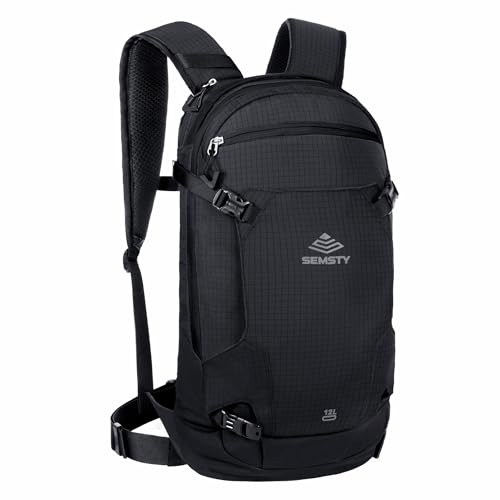
SEMSTY 12L Ski & Snowboard Backpack for Men & Women
- ✓ Compact and lightweight
- ✓ Multiple gear carry options
- ✓ Water-resistant and durable
- ✕ Hydration bladder not included
- ✕ Less sturdy with heavy loads
| Capacity | 12 liters |
| Dimensions | 12.2 x 3.15 x 20.9 inches (31 x 8 x 53 cm) |
| Material | Water-resistant nylon fabric |
| Carrying Options | Vertical, diagonal, and horizontal snowboard and ski carry with adjustable length buckle |
| Hydration System Compatibility | Fits hydration bladder (not included) |
| Additional Features | Fleece-lined goggle pocket, snow tool sleeves, external shovel blade carry, adjustable sternum strap with whistle |
The SEMSTY 12L Ski & Snowboard Backpack instantly caught my eye with its sleek, minimalist design measuring 12.2*3.15*20.9 inches, making it perfect for both men and women hitting the slopes. Its lightweight build didn’t feel bulky, even when fully packed with gear. The SEMSTY 12L Ski & Snowboard Backpack for Men & Women is a standout choice in its category.
I appreciated the thoughtful features like the purpose-built snow tool sleeves and external shovel blade carry, which made organizing my gear straightforward. The fleece-lined goggle pocket kept my glasses scratch-free, and the internal compartment comfortably fit my 14” laptop, along with a hydration system for quick water access. When comparing different best backcountry snowboard pack options, this model stands out for its quality.
Carrying my skis diagonally and snowboard horizontally was effortless thanks to the adjustable buckle system, and the water-resistant nylon fabric kept everything dry despite snowy conditions. The ergonomic design, including the breathable PE foam back panel and adjustable sternum strap with a built-in whistle, made longer days on the mountain surprisingly comfortable.
Overall, the SEMSTY 12L Ski & Snowboard Backpack offers a well-balanced mix of storage, durability, and comfort, making it a solid choice for winter adventures. Its versatile carrying options and water-resistant features truly enhance the backcountry experience without weighing you down.
Osprey Soelden 32L Ski and Snowboard Backpack, Blue OS

- ✓ Purpose-built for backcountry
- ✓ Eco-friendly recycled fabrics
- ✓ Multiple carry options
- ✕ Slightly expensive
- ✕ Limited color options
| Capacity | 32 liters |
| Weight | 2.47 pounds (approximately 1.12 kg) |
| Material | 100% recycled ocean-sourced nylon |
| Dimensions | 21.7H x 11.8W x 11D inches |
| Avalanche Gear Storage | Front J-zip avalanche compartment for shovel and probe |
| Carrying Options | A-frame ski carry, diagonal ski carry, vertical or horizontal snowboard carry |
The Osprey Soelden 32L Ski and Snowboard Backpack instantly caught my eye with its purpose-built design for backcountry ski and snowboard missions. Weighing just 2.47 pounds, it strikes a great balance between lightweight comfort and enough capacity for a full day out on the snow. The Osprey Soelden 32L Ski and Snowboard Backpack, Blue OS is a standout choice in its category.
The avalanche safety access feature, a front J-zip compartment, proved incredibly useful for quick access to my shovel and probe, especially during those tight emergency moments. I also appreciated the multiple carry options—whether I needed A-frame skis or a diagonal snowboard carry, the pack adapted seamlessly to my terrain and gear preferences. When comparing different best backcountry snowboard pack options, this model stands out for its quality.
What really stood out was the durable fabric, woven from 100% recycled ocean-sourced nylon, which gave me confidence in its long-lasting snow-shedding performance. Overall, the Osprey Soelden 32L is a thoughtfully designed pack that combines environmental consciousness with practical features, making it a top choice for serious backcountry snowboarders and skiers alike.
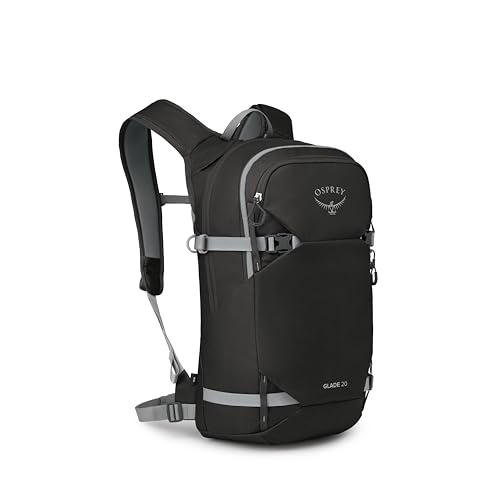
Osprey Glade 20L Snow Pack with Hydraulics 2.5L Reservoir
- ✓ Versatile carry options
- ✓ Hydration system works great
- ✓ Durable weather-resistant fabric
- ✕ Slightly pricey
- ✕ Limited storage capacity
| Hydration Capacity | 2.5 liters with Hydraulics reservoir |
| Fabric Material | NanoTough water- and abrasion-resistant fabric |
| Carrying Options | A-frame ski, diagonal ski, vertical snowboard/snowshoe carry |
| Backpanel Insulation | THERMOLITE lining to prevent freezing |
| Weight | 2.31 pounds |
| Dimensions | 18.5 inches (H) x 11.8 inches (W) x 10.6 inches (D) |
This Osprey Glade 20L Snow Pack has been sitting high on my wishlist for backcountry snowboarding adventures, and finally getting my hands on it didn’t disappoint. The first thing I noticed was how sleek and compact it feels, yet it manages to pack a surprising amount of features.
The integrated Hydraulics 2.5L reservoir with insulated harness is a game-changer, especially on those freezing days when staying hydrated is a challenge.
The multiple carry options are super versatile. I tested the A-frame, diagonal, and vertical snowboard carry modes, and each felt secure and easy to switch between.
It’s clear this pack was designed with movement in mind, thanks to the dynamic harness system that didn’t restrict my motion during aggressive turns or climbs. The NanoTough fabric feels tough enough to handle snow, scrapes, and gear edges without showing wear.
The dedicated avalanche gear compartment was a highlight. I appreciated how organized I could keep my shovel and probe, making quick access simple in a pinch.
The weather-resistant materials kept my gear dry even in a snowstorm, which is a huge plus in unpredictable backcountry conditions. The overall weight is just over two pounds, so it doesn’t feel bulky but still feels sturdy and protective.
This pack really hits the sweet spot between functionality and comfort for serious backcountry snowboarding.
Overall, it’s a well-thought-out pack that meets the demands of backcountry terrain. If you want a lightweight, durable, and versatile snowboard pack, this one should definitely be on your radar.
What Key Features Define the Best Backcountry Snowboard Pack?
The best backcountry snowboard packs are defined by several key features that enhance functionality and comfort during your adventures.
- Capacity: The capacity of the pack is crucial as it determines how much gear you can carry. A typical backcountry snowboard pack ranges from 20 to 40 liters, allowing you to pack essentials like extra layers, food, and safety equipment without being overly cumbersome.
- Weight: An ideal backcountry snowboard pack should be lightweight to ensure that it doesn’t add unnecessary strain when traversing challenging terrain. Packs made from lightweight materials provide durability while minimizing weight, allowing for greater mobility during long hikes.
- Fit and Comfort: A good fit is essential for comfort, especially during extended periods of wear. Look for packs with adjustable straps, padded harnesses, and ventilation to ensure a snug fit that distributes weight evenly across your back, reducing fatigue and discomfort.
- Ski/Snowboard Carry System: The ability to securely carry your snowboard or skis is a vital feature. Most packs come with specialized straps or systems to attach your board vertically or diagonally, allowing for hands-free hiking while keeping your gear secure.
- Access Points: Multiple access points enhance ease of use, allowing you to quickly grab items without unpacking everything. Features like side zippers or front panel access provide convenience, especially in emergencies or when you need to access specific gear quickly.
- Hydration Compatibility: Staying hydrated is essential in backcountry conditions, so look for packs that are compatible with hydration reservoirs or have external pockets for water bottles. This feature ensures you can easily drink water on the go without having to stop and rummage through your pack.
- Safety Features: Safety features such as avalanche gear compartments, beacon pockets, and whistle attachments are critical in backcountry environments. These elements help you stay prepared for emergencies, making it easier to carry essential safety gear where it can be accessed quickly.
- Durability and Weather Resistance: The materials used in the pack should be durable and weather-resistant to withstand harsh conditions. Look for packs made from ripstop nylon or similar materials that can resist abrasions and moisture, keeping your gear protected in unpredictable weather.
How Does Comfort and Fit Impact Your Experience?
Comfort and fit are crucial factors that significantly impact your experience with the best backcountry snowboard pack.
- Weight Distribution: Proper weight distribution in a backpack enhances comfort by reducing strain on your back and shoulders. A well-designed pack ensures that the weight is centered on your hips, allowing for easier movement and less fatigue during long hikes.
- Adjustability: The ability to adjust the straps and harness system is essential for achieving a secure fit. Packs that offer adjustable torso lengths and load lifters allow users to customize the fit, which can greatly improve stability and comfort while navigating uneven terrain.
- Padded Straps and Back Panel: High-quality padding in the shoulder straps and back panel provides additional comfort during extended use. This padding helps to absorb shock and reduces pressure points, making it easier to carry heavy loads over long distances.
- Breathability: A pack designed with breathable materials and ventilation features helps regulate body temperature and prevent overheating. This is particularly important in backcountry settings where physical exertion is high, as it keeps you comfortable and focused on your ride.
- Size and Capacity: Choosing the right size and capacity for your needs is vital for comfort and functionality. A pack that is too large may lead to unnecessary movement and discomfort, while one that is too small can restrict your ability to carry essential gear, affecting your overall experience in the backcountry.
What Should You Know About Hydration Systems in Packs?
When considering hydration systems in packs, especially for outdoor activities like backcountry snowboarding, it’s important to understand their features and benefits.
- Bladder vs. Bottle: Hydration systems typically come in two forms: bladders and bottles. Bladders are flexible reservoirs that can be easily stored in a designated compartment of the pack, allowing for hands-free drinking through a hose. Bottles, on the other hand, are more rigid and may require you to stop and take them out of your pack, but they can be easier to refill and clean.
- Insulation: In cold weather conditions, having an insulated hydration system is crucial. Insulated hoses and bladders help prevent water from freezing, ensuring that you have access to liquid throughout your adventure. This is particularly important for snowboarding, where temperatures can plummet, and frozen water can be a significant inconvenience.
- Capacity: The capacity of your hydration system will dictate how much water you can carry. Most hydration bladders range from 1.5 to 3 liters, which should be sufficient for a day in the backcountry. It’s essential to assess your hydration needs based on the duration of your outing and your personal fluid requirements.
- Accessibility: Easy access to your hydration system is vital when you’re on the move. Look for packs that allow for quick access to the hydration reservoir and hose, which can make a significant difference when you need to hydrate quickly without stopping. Some packs even feature external ports or clips to manage the hose effectively.
- Cleaning and Maintenance: Keeping your hydration system clean is crucial for health and functionality. Many bladders are designed to be easy to clean, with wide openings that allow for thorough washing. Additionally, consider systems that are compatible with cleaning tablets or brushes to maintain hygiene, especially after using flavored drinks or in situations where bacteria could grow.
- Compatibility: Ensure that your hydration system is compatible with your pack. Some backpacks come with built-in reservoirs and hose routing, while others may require you to purchase a bladder separately. Check for specific features like clips or sleeves designed to hold the hydration reservoir securely within your pack.
What Size of Backcountry Snowboard Pack Is Ideal for Different Types of Tours?
The ideal size of a backcountry snowboard pack varies depending on the type of tour you are planning to undertake.
- Day Tours (20-30 liters): A pack in this range is perfect for short excursions, allowing enough space for essential gear like water, snacks, a first aid kit, and an avalanche safety kit without being overly cumbersome.
- Weekend Tours (30-50 liters): This size allows for added gear such as extra layers, a sleeping bag, and a lightweight tent, making it suitable for overnight trips where you need to be prepared for changing weather conditions.
- Multi-Day Tours (50+ liters): For longer tours, a larger pack is essential to accommodate all necessary equipment, including food supplies, cooking gear, and additional clothing, while still providing comfort and stability during longer treks.
- Technical Tours (30-50 liters): If your adventure includes technical climbs or access to difficult terrain, a pack in this range allows for the inclusion of specialized gear like ropes, harnesses, and other climbing equipment while still maintaining a streamlined profile.
- Resort Access Tours (20-30 liters): These packs are designed for those who venture into the backcountry from ski resorts, offering just enough space for a few essentials and safety gear without the bulk needed for longer trips.
Day tours require a compact pack that can hold only the essentials, while weekend and multi-day tours necessitate larger capacities to carry extra gear and supplies. Technical tours might still fit within the medium range but need to prioritize specific climbing gear, whereas resort access packs are tailored for quick jaunts into the backcountry. Each size caters to different needs based on the length and intensity of the tour, ensuring that snowboarders have the right equipment for their adventure.
How Do You Choose the Right Capacity for a Day Trip vs. Multi-Day Tours?
| Capacity | Day Trip | Multi-Day Tour |
|---|---|---|
| Size | 20-30 liters – Ideal for essentials like water, snacks, and a first-aid kit. Examples: Burton Day Hiker, Dakine Heli Pro. | 40-70 liters – Needs more space for additional clothing, food, and camping gear. Examples: Black Diamond Dawn Patrol, Osprey Kresta. |
| Weight | Lightweight – Easier to carry for short distances. | Heavier – Requires a more robust frame to support added weight over longer distances. |
| Recommended Gear | Basic safety gear, hydration system (e.g., CamelBak, Hydro Flask), and snacks. | Camping gear, cooking supplies, extra clothing layers, hydration system with larger capacity (e.g., 3L bladder). |
| Comfort Features | Ventilation, adjustable straps for load distribution. | Advanced ventilation systems, padded hip belts, and ergonomic load distribution for comfort over long periods. |
Which Materials Enhance Durability and Performance in Backcountry Packs?
Several materials are known to enhance the durability and performance of backcountry packs, especially for snowboarding.
- Ripstop Nylon: This lightweight fabric is woven with a special reinforcement technique that makes it resistant to tearing and ripping. Its durability makes it ideal for harsh environments, while its lightweight nature ensures that the pack remains manageable during long treks.
- Dyneema Composite Fabric: Known for its exceptional strength-to-weight ratio, Dyneema is highly resistant to moisture and UV light, making it perfect for backcountry adventures. Packs made from this material are not only lightweight but also provide superior durability against abrasions and punctures.
- Polyester: Often used in combination with other materials, polyester is known for its water resistance and overall durability. It holds up well against fading from UV exposure and can effectively manage moisture, which is crucial during snowboarding outings.
- Ballistic Nylon: This heavy-duty fabric is designed for extreme durability and is often used in high-wear areas of packs. Its thick weave provides extra resistance against cuts and abrasions, making it suitable for rugged conditions encountered in backcountry snowboarding.
- Waterproof Coatings: Many packs feature waterproof coatings such as polyurethane (PU) or silicone to enhance water resistance. These coatings help keep gear dry in wet conditions, which is essential for maintaining the performance of snowboarding equipment.
Are There Specific Fabrics That Offer Lightweight and Weather-Resistant Properties?
Several fabrics are known for their lightweight and weather-resistant properties, making them ideal for outdoor gear like the best backcountry snowboard packs.
- Nylon Ripstop: This fabric is woven with a special reinforcing technique that makes it resistant to tearing and ripping, while still being lightweight. It is often coated with polyurethane or silicone to enhance its waterproof capabilities, making it a popular choice for durable outdoor gear.
- Polyester: Known for its moisture-wicking properties, polyester is lightweight and dries quickly, which is essential for backcountry conditions. Many polyester fabrics are treated with a water-repellent finish, allowing them to resist light rain and snow.
- GORE-TEX: A high-performance fabric that is both waterproof and breathable, GORE-TEX is ideal for extreme weather conditions. This material allows sweat to escape while preventing water from penetrating, keeping the wearer dry and comfortable during snowboarding adventures.
- Dyneema: Often touted as one of the strongest and lightest fabrics available, Dyneema is a super-strong polyethylene fiber that is highly resistant to water. Its lightweight nature and durability make it an excellent choice for high-end backcountry packs that need to withstand harsh elements.
- Cordura: This is a durable nylon fabric known for its resistance to abrasions, tears, and scuffs, making it suitable for rugged outdoor activities. While slightly heavier than other options, its strength and weather-resistant properties make it a reliable choice for backcountry packs.
What Brands Are Most Trusted for Quality Backcountry Snowboard Packs?
The most trusted brands for quality backcountry snowboard packs include:
- Osprey: Osprey is renowned for its innovative designs and comfort, often featuring adjustable harnesses and hip belts for a personalized fit. Their backcountry packs are durable and lightweight, equipped with ample storage space and specialized compartments for avalanche safety gear.
- Black Diamond: Black Diamond focuses on performance and functionality, offering packs designed specifically for backcountry adventures. Many of their models include features like ski carry systems, hydration reservoirs, and reinforced areas for carrying safety equipment, making them a favorite among serious snowboarders.
- Gregory: Gregory combines comfort with organization, providing packs that are not only lightweight but also have numerous pockets for easy access to gear. Their backcountry packs are designed with ergonomic support in mind, ensuring that users can carry heavier loads without discomfort during long hikes.
- The North Face: The North Face is celebrated for its high-quality materials and weather-resistant designs, making their backcountry packs suitable for extreme conditions. With features like adjustable straps, multiple carry options, and insulation for safety gear, they cater to both casual and professional snowboarders.
- Marmot: Marmot emphasizes versatility and functionality in their backcountry packs, which often include features like gear loops and external pockets for quick access. Their designs are also geared toward maximizing comfort, ensuring that users can navigate challenging terrains without strain.
What Innovations Have Leading Brands Introduced Recently in Their Packs?
Leading brands have introduced several innovative features in their backcountry snowboard packs to enhance functionality, comfort, and safety.
- Modular Storage Systems: Many brands are now incorporating modular storage solutions that allow users to customize the internal layout of their packs. This flexibility enables snowboarders to organize their gear efficiently, ensuring easy access to essentials while on the trails.
- Hydration Reservoir Compatibility: Recent designs often include compartments specifically for hydration reservoirs, allowing snowboarders to stay hydrated without having to stop and unpack their gear. This feature is particularly valuable during long backcountry trips where access to water sources may be limited.
- Avalanche Safety Features: Leading brands have integrated advanced avalanche safety systems, such as airbag deployment mechanisms and beacon pockets, into their packs. These critical features enhance safety by providing essential tools and quick access during emergencies, catering to the needs of backcountry enthusiasts.
- Ergonomic Fit and Adjustable Straps: Improved ergonomic designs and adjustable straps are now common in backcountry packs, providing better weight distribution and comfort during long hikes. These enhancements reduce fatigue and allow for a more enjoyable experience on the slopes.
- Eco-Friendly Materials: Many manufacturers are now focusing on sustainability by using recycled or eco-friendly materials in their pack designs. This innovation not only helps reduce the environmental impact but also appeals to environmentally conscious consumers who want their gear to reflect their values.
What Safety Features Should You Look for in a Backcountry Snowboard Pack?
The best backcountry snowboard pack should include several essential safety features to ensure a secure and enjoyable riding experience.
- Avalanche Safety Gear Compartment: This compartment is designed to hold essential equipment like a beacon, probe, and shovel, keeping them easily accessible in case of an emergency. Quick access to these tools can be life-saving in avalanche situations.
- Hydration System Compatibility: Many packs come with a space for a hydration reservoir or pockets for water bottles, which help you stay hydrated during long backcountry trips. Staying hydrated is crucial for maintaining energy and focus while navigating in remote areas.
- Integrated Safety Whistle: A built-in safety whistle can be a vital tool in emergencies, allowing you to signal for help if you become separated from your group. Its lightweight design ensures it won’t add unnecessary bulk to your pack.
- Reflective Elements: Reflective strips or patches on a pack enhance visibility, especially in low-light conditions or during bad weather. This feature is essential for safety, ensuring that you can be seen by others in the backcountry.
- Compression Straps: These straps help secure your gear tightly, preventing it from shifting during movement. A stable pack reduces the risk of losing balance or falling while navigating challenging terrain.
- Emergency First Aid Kit Pocket: A dedicated pocket for a small first aid kit ensures that you can quickly access medical supplies if needed. Being prepared for injuries or accidents is essential when venturing away from established trails.
- Customizable Gear Loops: Loops for attaching extra gear such as ice axes, ropes, or carabiners allow for versatile storage options, making it easier to carry essential tools for various snow conditions. This feature enhances the pack’s utility on different backcountry adventures.
How Important Are Avalanche Gear Compartments and Access Points?
Avalanche gear compartments and access points are crucial features in a backcountry snowboard pack, significantly impacting safety and convenience during excursions.
- Dedicated Avalanche Gear Compartment: This compartment is specifically designed to hold essential avalanche safety equipment such as a shovel, probe, and beacon. Having a dedicated space allows for easy organization and quick access in emergency situations, which is vital for timely response when facing an avalanche risk.
- Front Access Point: A front access point enables users to reach gear without having to remove the pack completely. This feature is particularly useful when needing to access avalanche gear quickly, as it allows for efficient retrieval while maintaining stability and balance in challenging terrain.
- Side Access Points: Side access points provide an additional means of reaching gear stored deeper in the pack. This design is beneficial for adjusting layers or accessing snacks without fully unpacking the bag, making it easier to stay on the move during backcountry adventures.
- Hydration Reservoir Compartment: A hydration compartment allows for the integration of a hydration system, ensuring that users stay hydrated without taking their pack off. Staying hydrated is critical in high-altitude and strenuous conditions, and this feature simplifies the process, encouraging consistent water intake.
- Tool and Gear Organization Pockets: These pockets help keep smaller items, such as multitools, first-aid kits, and other essentials, organized and easily accessible. Proper organization prevents frustration and wasted time searching for items, which can be critical in emergency situations or during challenging weather conditions.
How Do Prices Vary Among Quality Backcountry Snowboard Packs, and What Should You Expect?
Prices for quality backcountry snowboard packs can vary significantly based on factors such as materials, features, and brand reputation.
- Entry-Level Packs: These packs typically range from $100 to $200 and are designed for beginners or occasional backcountry users.
- Mid-Range Packs: Priced between $200 and $400, these packs offer a balance of durability and features suitable for more experienced riders.
- High-End Packs: These premium packs can cost $400 and above and are built for advanced users seeking top-notch materials, features, and performance.
- Specialty Packs: Some packs designed for specific activities, such as multi-day trips or avalanche safety, can also vary widely in price based on their unique features.
Entry-Level Packs: These packs usually feature basic storage options and are made from less durable materials. They are suitable for those just starting in the backcountry or those who do not venture out often, offering essential functionality without the premium price tag.
Mid-Range Packs: Mid-range packs commonly boast improved materials, additional features like hydration reservoirs, and more organized compartments for gear. They strike a good balance between performance and price, catering to riders who venture into the backcountry regularly but may not require professional-level gear.
High-End Packs: High-end packs are constructed with premium materials for durability and weight savings, often featuring advanced designs for optimal load distribution and comfort. These packs are aimed at serious backcountry snowboarders who require high performance, reliability, and specialized features for challenging conditions.
Specialty Packs: Specialty packs can cater to varying backcountry activities like overnight camping or avalanche safety, often incorporating unique features such as internal compartments for safety gear. Their prices can reflect the advanced technology and specific design elements that enhance their functionality for particular uses.
What Are the Indicators of a Pack That Offers Good Value for Your Investment?
When searching for the best backcountry snowboard pack, certain indicators can help you determine its value for your investment:
- Capacity: A good backcountry snowboard pack should have enough capacity to carry essential gear, typically ranging from 20 to 40 liters. This allows for the storage of a snowboard, safety equipment, food, and layers without being overly cumbersome.
- Comfort and Fit: Look for a pack that offers adjustable straps, a padded back panel, and a hip belt to ensure a snug and comfortable fit. This feature is crucial for maintaining stability during movement and reducing fatigue on long hikes.
- Durability: High-quality materials such as ripstop nylon or polyester are indicators of a durable pack that can withstand harsh weather conditions and rough terrain. Reinforced stitching and water-resistant coatings also contribute to the longevity of the pack.
- Access Points: Packs with multiple access points, such as top, side, and back entry, provide convenience in retrieving gear quickly. This is particularly important in backcountry settings where time and efficiency can be critical.
- Safety Features: Essential safety features such as an avalanche gear compartment, emergency whistle, and reflective elements enhance the pack’s value. These features can be life-saving in emergencies and are crucial for backcountry adventures.
- Weight: A lightweight pack allows for easier navigation and less strain on your body. Balancing weight with capacity and features is vital to ensure you don’t compromise on comfort or functionality.
- Hydration Compatibility: Many of the best backcountry snowboard packs come with hydration reservoir sleeves or pockets for water bottles. Staying hydrated is critical during strenuous activities, and having easy access to water enhances the overall experience.
- Snowboard Carry System: A reliable snowboard carry system, such as vertical or diagonal carry options, is essential for efficiently transporting your board when not in use. This feature should be easy to use and secure to prevent any slipping while on the move.