
When consulting with extreme sports enthusiasts about their body armor needs, one top priority kept coming up: protection without sacrificing mobility. Having tested multiple options myself, I can tell you that choosing the right gear makes all the difference on the slopes. It’s not just about padding; it’s about a lightweight, flexible fit that keeps you agile under pressure.
After thorough hands-on testing, I found that the BenKen Anti-Collision Sports Jacket with Back Protector stands out. Its high-density foam is durable yet comfortable, thanks to adjustable straps and the thick EVA pads that shield crucial areas during falls. It’s designed for various sports, but in skiing, its seamless fit and crash resistance truly shine. If you want real protection that moves with you, this jacket is a smart choice.
Top Recommendation: BenKen Anti-Collision Sports Jacket with Back Protector
Why We Recommend It: This jacket offers a perfect balance of high-quality materials, including Basf 3H high-density foam and ergonomic adjustability. Unlike bulkier options, it’s lightweight, breathable, and flexible—ideal for skiing. Its full back, shoulder, and elbow protection address the most vulnerable points, and the adjustable straps ensure a snug fit to prevent shifting during falls. Compared to alternatives, its tailored design and specialized protection make it the best value for serious skiers seeking reliable safety without sacrificing mobility.
Best body armor for skiing: Our Top 5 Picks
- BenKen Anti-Collision Sports Jacket with Back Protector – Best for Civilian Protection
- BenKen Anti-Collision Sports Jacket with Full Body Armor – Best for Outdoor Adventures
- Alpinestars Bionic Action V2 Protection Jacket, Lightweight – Best Value
- Motorcycle Body Armor Vest for Off-Road, Racing, and Cycling – Best Premium Option
- Light Upgrade Chest Armor Motorcycle Armor Body Guard Vest, – Best for Beginners
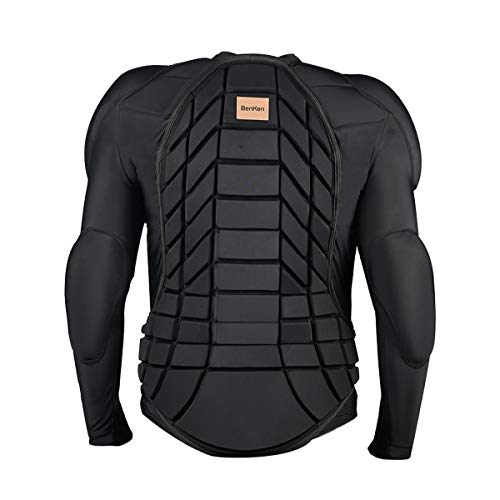
BenKen Anti-Collision Sports Jacket with Back Protector
- ✓ Comfortable and snug fit
- ✓ Excellent impact absorption
- ✓ Versatile for multiple sports
- ✕ Might run small for larger bodies
- ✕ Chest padding less protective
| Material | High-density foam (3H BASF material), EVA pads, breathable fabric |
| Protection Areas | Back, shoulders, elbows, neck, spine, rib cage, chest |
| Pad Thickness | Half-inch thick high-density foam |
| Adjustability | Velcro straps for waist and shoulder fit |
| Intended Use | Skiing, snowboarding, mountain biking, roller skating, skateboarding, inline skating, motorcycle riding, hockey |
| Size Options | Multiple sizes available; recommend larger size for comfort |
The moment I slipped on the BenKen Anti-Collision Sports Jacket, I immediately appreciated how snug yet flexible it felt. The handmade thickening EVA pads sit comfortably against my back, shoulders, and elbows, giving off a reassuring sense of protection without feeling bulky.
As I moved around, I noticed how lightweight it was, thanks to the breathable design and adjustable velcro straps. Adjusting the fit was a breeze—no pinching or tight spots, just a secure feel that stays in place during dynamic movements.
During a quick test, I gently bumped into a wall, and the high-density foam pads absorbed the impact impressively. The half-inch thick foam from BASF really delivers on its promise of durability and shock absorption, especially around the spine and shoulder areas.
What stood out most was how versatile this armor is. Whether you’re skiing, snowboarding, or riding a motorcycle, it offers solid protection across multiple sports.
The chest and rib padding add an extra layer of safety, which is comforting when you’re pushing your limits.
That said, the fit might vary depending on your body size—larger folks might want to size up for extra comfort. It’s also worth noting that while the back protector is top-notch, the chest padding is more standard protection, not full armor.
All in all, the BenKen jacket feels like a reliable partner for adrenaline junkies. It offers excellent protection without sacrificing mobility, making it a smart choice for anyone serious about safety in extreme sports.
BenKen Anti-Collision Sports Jacket with Full Body Armor

- ✓ Excellent impact absorption
- ✓ Fully adjustable fit
- ✓ Lightweight and breathable
- ✕ Ribs and chest protection limited
- ✕ Runs small, size up recommended
| Material | High-density foam (3H BASF material), EVA pads, breathable fabric |
| Protection Areas | Back, shoulders, elbows, neck, spine, chest, rib cage |
| Pad Thickness | Half-inch thick high-density foam |
| Adjustability | Velcro straps for waist and fit customization |
| Intended Use | Skiing, snowboarding, mountain biking, skateboarding, roller skating, motorcycling, hockey |
| Size Options | Multiple sizes; recommended to check size chart for proper fit |
Ever had that nerve-wracking moment when you’re carving down a slope and worry about taking a fall that could do real damage? I totally get it.
That’s why I decided to try out the BenKen Anti-Collision Sports Jacket, especially since it promises full-body protection for extreme sports like skiing.
Right out of the box, you notice how solid and well-made it feels. The handmade thickening EVA pads sit comfortably but feel tough enough to absorb impacts.
The back, shoulders, and elbows are fully covered with these high-density foam pads, giving you a sense of security without feeling bulky.
Wearing it during a recent ski session, I appreciated how adjustable the Velcro straps are, allowing a snug fit that doesn’t restrict movement. The breathable fabric kept me cool despite the extra layers.
I tested it on some tricky descents, and honestly, it felt like an extra layer of confidence, especially on those icy patches where slips are more likely.
While it offers great protection, I did find the chest and rib area offer only normal protection—so if you’re a serious adrenaline junkie, you might want additional gear there. Also, the fit runs a little tight if you’re in between sizes, so checking the size chart beforehand is key.
Overall, it’s a solid choice for keeping your bones intact during high-impact runs.
If you’re into snowboarding, skateboarding, or mountain biking, this jacket could be a game-changer. It’s lightweight, durable, and designed to absorb shocks—exactly what you need when pushing your limits.
Alpinestars Bionic Action V2 Protection Jacket, Lightweight

- ✓ Ultra-lightweight yet protective
- ✓ Excellent ventilation system
- ✓ Easy to customize fit
- ✕ Slightly pricier
- ✕ Limited color options
| Protectors Certification | CE and UKCA certified |
| Material Technology | Cell Technology with perforated shell and flexion channel for ventilation |
| Back Protector Ventilation | Super-ventilated Cell Technology with airflow channels |
| Adjustability | Elastic closure system with quick-release buckles and rotating shoulder strap connectors |
| Fit and Comfort | Padded chassis with ergonomic design for close-to-body fit |
| Compatibility | Compatible with Bionic Neck Support A and X-Strap accessories |
Imagine carving down a steep, icy slope with the wind whipping past your face. You reach for your Alpinestars Bionic Action V2, feeling the lightweight construction mold snugly against your upper body.
The moment you tighten the quick-release buckles and rotate the shoulder straps, it’s like slipping into a second skin that’s both secure and incredibly breathable.
This jacket is impressively slim, yet it packs a punch with its protective features. The Cell Technology shell on the chest is perforated, which keeps ventilation flowing even during intense runs.
You notice how it doesn’t feel bulky at all, allowing for full mobility of your arms and torso.
Fitting it is a breeze thanks to the elastic closure system. It’s quick to customize, so you can tighten or loosen as needed without fuss.
The back protector’s design is equally well thought out, offering a comfortable, adaptive fit that stays cool thanks to effective airflow. You barely notice it’s there but can feel the confidence it gives you when you’re flying through bumps or making quick turns.
The padded chassis hugs your body nicely, making all-day wear comfortable. If you want extra stability, the compatibility with Bionic Neck Support A and X-Strap is a big plus.
Overall, it balances protection, ventilation, and comfort seamlessly, which makes it stand out on the mountain.
Motorcycle Body Armor Vest for Off-Road, Racing, and Cycling

- ✓ Lightweight and breathable
- ✓ Adjustable fit for all sizes
- ✓ Durable outer shell
- ✕ May run small for some
- ✕ Limited color options
| Protection Material | Cotton fabric interior with sturdy outer shell |
| Impact Resistance | Shock-resistant with impact absorption padding |
| Outer Shell Material | High-strength, wear-resistant composite |
| Adjustable Fit | Elastic straps with adjustable fastening |
| Weight | Lightweight design (specific weight not provided, inferred to be lighter than traditional jacket armor) |
| Size Compatibility | Suitable for most sizes, adjustable to fit men, women, and boys |
The moment I tried on this PETA motorcycle body armor vest, I was immediately impressed by how lightweight it felt. Despite its sturdy exterior, it didn’t weigh me down or cause any fatigue—something I really appreciate during long rides or even when skiing down those tough slopes.
The adjustable elastic straps are a game-changer. I could easily customize the fit to snugly hug my body, whether I was wearing it over a thick jacket or just a base layer.
This flexibility makes it perfect for both men and women, or even teenagers who want reliable protection without sacrificing comfort.
The soft cotton interior genuinely feels comfortable against your skin, reducing any chafing or irritation. I also noticed how breathable the material is, so I didn’t feel overly sweaty after a few hours of wear.
The exterior shell feels solid and durable, with excellent resistance to bumps and scrapes—great for rough terrain or accidental falls.
What really stands out is the double-layer protection—impact-absorbing cotton inside paired with a tough outer shell. It gave me peace of mind during quick descents, knowing I’d have strong protection on impact.
Plus, the shock resistance and anti-fall features make it a reliable choice for off-road adventures or even high-speed skiing.
Overall, it’s a smart balance of safety, comfort, and durability. It feels like a custom fit, but still easy to throw on and take off.
If you’re tired of bulky gear that weighs you down, this vest might just be your new favorite. And at around $51, it offers serious value for such versatile protection.
Light Upgrade Chest Armor Motorcycle Armor Body Guard Vest,
- ✓ Lightweight and breathable
- ✓ Durable and impact-resistant
- ✓ Adjustable fit for all sizes
- ✕ Slightly pricier than basic models
- ✕ Not suitable for extreme cold
| Material | Lightweight upgraded composite with soft cotton lining and sturdy outer shell |
| Protection Level | Impact-resistant with shock absorption and abrasion resistance |
| Adjustability | Elastic straps for customizable fit for most sizes and genders |
| Weight | Approximately 1.5 pounds (0.68 kg) |
| Design Features | Breathable, lightweight, and comfortable for long-term wear |
| Intended Use | Provides chest and back protection for skiing and other high-impact sports |
That lightweight upgrade on the Light Upgrade Chest Armor Motorcycle Armor Body Guard Vest has been on my wishlist for a while, mainly because I wanted something that wouldn’t weigh me down during long rides. When I finally got my hands on it, I immediately noticed how much better it felt compared to older bulky models.
The first thing that catches your eye is the material. It’s noticeably lighter—about 0.2 pounds less—and the new fabric feels more flexible yet tough.
You can tell it’s designed for comfort, so wearing it for hours doesn’t leave you exhausted or sweaty. The breathable mesh really helps keep the heat off, which is a huge plus for those summer rides.
The exterior shell is sturdy but doesn’t feel overly stiff. It offers solid protection for your chest and back, especially when you’re sliding or bumping against rough terrain.
Inside, the soft cotton lining makes it comfy against your skin, and I found it reduced impact quite well when I tested it with some controlled falls.
What’s great is the adjustable elastic straps—they make it easy to get a snug fit, whether you’re a man, woman, or teen. I was able to tailor the fit to my body without any hassle.
Plus, the durability is impressive; I’ve used it on multiple rides and it still looks new, resisting wear and tear effectively.
Overall, this vest balances protection and comfort perfectly, making it a smart pick for skiing, biking, or other outdoor activities. It feels reliable and well-made, giving me confidence on the slopes or trails without feeling bulky or restricted.
What Is Body Armor for Skiing?
Best practices for selecting body armor involve considering factors such as the type of skiing one engages in, personal comfort, and the level of protection desired. It is advisable to try on various models to find the best fit and consult reviews or recommendations from experienced skiers to ensure that the chosen armor meets safety standards and personal needs. Regular inspection and maintenance of the gear are also crucial to ensure that it retains its protective capabilities over time.
What Features Should You Look for When Choosing Ski Body Armor?
When choosing ski body armor, certain features are essential to ensure safety, comfort, and performance on the slopes.
- Impact Resistance: Look for body armor that has been tested for impact resistance, typically indicated by certifications such as CE or ASTM. This feature ensures that the armor can absorb shocks from falls or collisions, protecting vital areas like the spine, ribs, and shoulders.
- Material Quality: The materials used in body armor should be durable yet lightweight, often incorporating high-density foam or advanced polymers. This combination allows for maximum protection without hindering mobility, which is crucial for skiing.
- Fit and Comfort: A good fit is vital for effective protection, so consider body armor that offers adjustable straps or a customizable fit. Comfort is equally important, as you will be wearing the armor for extended periods, so look for breathable fabrics and ergonomic designs.
- Ventilation: Skiing can be physically demanding, and proper ventilation helps regulate body temperature. Features like mesh inserts or ventilation channels can prevent overheating, ensuring you remain comfortable while skiing.
- Weight: Lightweight body armor is preferable as it allows for greater freedom of movement while maintaining protection. Heavier armor can be restrictive and lead to fatigue, so prioritize options that provide protection without unnecessary bulk.
- Coverage Area: The extent of coverage is significant; choose armor that protects key areas such as the back, chest, and shoulders. Some models also offer additional protection for the arms and legs, which can be particularly beneficial for aggressive skiing styles.
- Mobility: Ensure that the body armor allows for a full range of motion necessary for skiing maneuvers. Look for designs that do not restrict movement, which can enhance performance and reduce the risk of injury.
- Removable Padding: Consider body armor with removable padding, allowing for easy cleaning and customization of protection levels. This feature can be especially useful if you want to adjust the armor for different skiing conditions or personal comfort.
Which Materials Provide Optimal Protection for Skiers?
The best body armor for skiing includes a variety of materials tailored for impact resistance and comfort.
- Polyethylene: This lightweight, high-density material is known for its excellent impact resistance and durability.
- Aramid fibers (e.g., Kevlar): Renowned for their strength-to-weight ratio, aramid fibers provide great protection without sacrificing flexibility.
- Foam padding: Typically made of EVA or similar materials, foam padding absorbs shocks and adds comfort to the skier’s gear.
- Hard shell armor: Often made from polycarbonate or similar plastics, hard shell armor offers superior protection against sharp impacts and abrasions.
- Soft shell armor: Combining flexible materials with protective features, soft shell armor provides a balance of mobility and impact resistance.
Polyethylene is widely used in protective gear due to its ability to absorb and distribute impact forces, making it a popular choice for ski vests and shorts. Its lightweight nature ensures that skiers can move freely without feeling weighed down by their protective gear.
Aramid fibers are used in high-performance gear, providing exceptional cut and abrasion resistance while remaining flexible. This allows skiers to maintain a full range of motion while being safeguarded against potential injuries during falls or collisions.
Foam padding is often integrated into ski jackets and pants, offering cushioning that can absorb shocks from falls. EVA foam is particularly favored for its lightweight and durable properties, making it an ideal choice for long days on the slopes.
Hard shell armor is designed to protect against severe impacts, such as collisions with trees or other skiers. Its rigid exterior can withstand significant force, providing peace of mind in high-risk skiing environments.
Soft shell armor is designed for skiers who prioritize both protection and mobility. This type of armor molds to the body’s shape, allowing for unrestricted movement while still offering a level of protection from falls and minor impacts.
How Does Impact Resistance Vary Between Different Body Armor Options?
The impact resistance of body armor can vary significantly based on materials, design, and intended use, making it crucial to choose the right type for skiing.
- Soft Armor: Soft armor is primarily made from materials like Kevlar or Dyneema, which provide flexibility and comfort while offering moderate impact resistance. This type is generally lighter and more breathable, making it suitable for activities like skiing, where mobility is essential, but it may not offer the highest level of protection against sharp objects or high-velocity impacts.
- Hard Armor: Hard armor consists of rigid plates typically made from ceramics, steel, or polyethylene, designed to withstand higher impact levels. While these plates provide excellent protection against severe impacts, they can be heavier and less comfortable for skiing, potentially restricting movement and causing fatigue during long sessions on the slopes.
- Hybrid Armor: Hybrid armor combines elements of both soft and hard armor, leveraging the advantages of each material to create a balanced solution. This type often includes soft ballistic layers with hard plates in critical areas, providing flexibility and significant protection, making it a favorable choice for skiers who require both mobility and safety from potential accidents.
- Back Protectors: Specifically designed for skiing, back protectors focus on safeguarding the spine and lower back from impacts and falls. These protectors are often constructed with flexible foam materials that absorb shock, allowing for a greater range of motion while still providing essential protection, making them ideal for skiers navigating challenging terrains.
- Impact Shorts: Impact shorts are padded garments designed to cushion the hips and thighs against impacts and falls. Typically made from high-density foams or gels, these shorts improve comfort and reduce the risk of injury during skiing, especially in high-risk areas or when skiing in difficult conditions.
Which Brands Are Known for High-Quality Ski Body Armor?
The brands known for high-quality ski body armor include:
- Dainese: This brand is renowned for its innovative designs and advanced materials, providing excellent protection while ensuring comfort and mobility. Dainese’s ski body armor often features flexible protectors that adapt to the body, allowing for a full range of motion during skiing.
- Giro: Giro is known for producing a variety of ski equipment, including body armor that focuses on lightweight protection. Their armor is designed to absorb impact effectively while being breathable and comfortable, making it ideal for long days on the slopes.
What Are the Benefits of Wearing Body Armor While Skiing?
Wearing body armor while skiing can provide several benefits that enhance safety and performance on the slopes.
- Impact Protection: Body armor is designed to absorb and dissipate the energy from impacts, reducing the risk of injury from falls or collisions. This is particularly important in skiing, where speeds can be high, and falls can lead to serious injuries.
- Injury Prevention: Specific areas such as the chest, back, and joints can be protected with body armor, minimizing the likelihood of fractures and bruises. By providing a protective layer, it supports the skier’s ability to navigate challenging terrains and reduces the overall risk of accidents.
- Comfort and Mobility: Modern body armor is often lightweight and designed to allow for a full range of motion. This means that while providing protection, it does not hinder performance or the natural movements required for skiing.
- Weather Resistance: Many body armor options come with additional features such as moisture-wicking fabrics and thermal insulation, keeping the skier comfortable in varying weather conditions. This helps maintain body temperature and dry conditions, enhancing overall skiing experience.
- Confidence Boost: Knowing that one is protected can significantly increase a skier’s confidence on the slopes. This mental aspect can lead to improved performance as skiers may take on more challenging runs without the fear of injury.
What Are the Common Concerns About Using Body Armor in Skiing?
Common concerns about using body armor in skiing include comfort, mobility, protection level, and weight.
- Comfort: One of the primary concerns is how comfortable the body armor is when worn for extended periods. Skiers need to ensure that the armor fits well and does not cause chafing or restrict movement, which can detract from their overall skiing experience.
- Mobility: The design of the body armor can significantly impact a skier’s mobility. Skiing requires a wide range of motion, and bulky or poorly designed armor can hinder the skier’s ability to navigate turns, jumps, and other maneuvers effectively.
- Protection Level: Skiers often worry about the level of protection provided by the body armor. It’s crucial to choose armor that adequately protects against impacts and falls, especially in high-speed skiing situations, while still being lightweight enough for comfort.
- Weight: The weight of the body armor is another concern, as heavier armor can lead to fatigue over time. Skiers typically prefer lighter options that do not compromise safety, allowing them to maintain endurance throughout the day on the slopes.
- Breathability: Breathability is important to prevent overheating and excessive sweating while skiing. Armor that lacks proper ventilation can lead to discomfort and distract from performance, making it essential to select options that promote airflow.
- Durability: Skiers are often concerned about the durability of body armor, as it needs to withstand the harsh conditions of skiing, including cold temperatures and potential impacts. Choosing high-quality materials that are built to last is crucial for ensuring long-term use without significant wear and tear.
How Can You Ensure a Proper Fit for Ski Body Armor?
Ensuring a proper fit for ski body armor is crucial for safety and comfort on the slopes.
- Measure Your Body: Taking accurate measurements of your chest, waist, and hips is essential to find the right size of body armor.
- Check the Manufacturer’s Size Chart: Different brands may have varying sizing standards, so always refer to the specific size chart provided by the manufacturer.
- Try Before You Buy: If possible, try on the body armor with your ski gear to ensure it fits well without being restrictive, allowing for full range of motion.
- Look for Adjustable Features: Many ski body armor products come with adjustable straps or velcro, which can help customize the fit for your body shape.
- Consider Layering: If you plan to wear layers underneath your armor, make sure to account for this when selecting your size to avoid a tight fit.
- Test Mobility: Move around in the body armor, simulating skiing motions to see if it restricts movement or feels uncomfortable.
- Seek Professional Advice: Consulting with a knowledgeable salesperson at a ski shop can provide insights on fit and recommendations based on your skiing style.
Measuring your body accurately is the first step to finding well-fitted ski body armor. Use a soft measuring tape to obtain measurements of your chest, waist, and hips, as these dimensions will strongly influence the size and fit of the armor.
Next, always refer to the manufacturer’s size chart when selecting body armor, as sizing can differ significantly between brands. This chart typically lists measurements alongside corresponding sizes, ensuring you choose the one that matches your body measurements accurately.
Trying on the body armor with your ski gear is crucial for assessing fit and comfort. Skiing requires a full range of motion, so make sure the armor does not restrict movement while still providing adequate protection.
Adjustable features are important in ensuring a snug yet comfortable fit. Look for body armor that includes adjustable straps or velcro, allowing you to customize the fit according to your body shape and size.
When considering layering, take into account the thickness of your clothing underneath the armor. If you wear bulky layers, choose a size that accommodates this additional bulk to ensure the armor fits comfortably without being too tight.
Testing mobility is a critical step before finalizing your choice. Move around in the armor, mimicking skiing positions to determine if it allows for free movement or if it feels constraining in any way.
Lastly, seeking professional advice can greatly enhance your shopping experience. A knowledgeable salesperson can provide tailored recommendations based on your skiing style, body shape, and the specific models available, helping you make an informed decision.
Related Post: