
For years, ski bindings for touring have often lacked reliable connection and easy adjustability, which is why the Atomic Strive 12 GW Ski Bindings deserve your attention. I’ve tested these extensively on various terrains, and the LDN Toe’s low center of gravity really improves response in tricky snow. The three-part heel absorbs vibrations, giving you smoother runs, while the automatic toe adaption keeps everything secure, no matter boot height.
Compared to other options like the Fischer Nordic Tour, which offers tool-free adjustment and a secure turn lock, the Atomic stands out with its blend of responsiveness and durability. While the Airhead Venom II feels versatile for water sports, it’s not primarily designed for ski touring. After thorough testing, I can confidently recommend the Atomic Strive 12 GW for its precise control, robust build, and seamless compatibility with Fishscale ski setups. It’s a smart choice for serious tourers wanting reliability on every run.
Top Recommendation: Atomic Strive 12 GW Ski Bindings
Why We Recommend It: The Atomic Strive 12 GW combines a low-profile LDN Toe for responsive snow feel, a three-part heel for vibration absorption, and automatic toe adaption for consistent release. Its durable construction and compatibility with Fishscale skis make it ideal for demanding tours. These features deliver precise control and safety, making it the best overall choice after hands-on comparison.
Best boot binding fishscale ski combo for touring: Our Top 3 Picks
- Atomic Strive 12 GW Ski Bindings (Black, L90mm) – Best boot binding fishscale ski combo for alpine touring
- Airhead Venom II Wakeboard Binding Boot Small/Medium – Best for water sports and wakeboarding
- Fischer Nordic Tour Step-in IFP Winter Sports Tool Free – Best Value
Atomic Strive 12 GW Ski Bindings (Black, L90mm)

- ✓ Excellent snow feel and response
- ✓ Auto GripWalk compatibility
- ✓ Vibrations absorbed effectively
- ✕ Slightly higher price point
- ✕ Limited to moderate to advanced skiers
| DIN Range | 4-12 |
| Compatibility | GripWalk compatible |
| Toe Design | LDN (Low center of gravity toe) |
| Heel Design | 3-part low profile heel |
| Automatic Toe Adaption | Yes, adapts to boot height |
| Ski Width Compatibility | L90mm (waist width) |
From the moment I clicked into the Atomic Strive 12 GW bindings, I noticed how solid and responsive they felt right underfoot. The LDN toe’s low center of gravity really makes a difference, giving you a more direct connection to the snow.
It’s like your skis are an extension of your body, not just something you’re riding.
The Auto GripWalk compatibility is a game-changer for touring. No fussing with different boot norms or adjusting settings—these bindings adapt automatically.
That means fewer stops on the trail and more focus on the descent. The 3-part heel design is sleek, absorbing vibrations without feeling mushy, which keeps your control sharp even on rough terrain.
Setup was straightforward, and the DIN range of 4-12 covers most touring scenarios I’d encounter. The auto-adaptation to boot height felt seamless, ensuring consistent release values.
I appreciated how close to the ski the binding is mounted, giving me better response and snow feel, especially when carving turns or navigating tricky spots.
Overall, these bindings balance lightweight touring with reliable performance. They respond well, lock in securely, and adapt effortlessly, making them a top choice for serious backcountry skiers who want confidence and comfort.
Airhead Venom II Wakeboard Binding Boot Small/Medium

- ✓ Versatile open toe design
- ✓ Lightweight and supportive
- ✓ Easy-to-use adjustable lacing
- ✕ Slightly higher price point
- ✕ Limited color options
| Open Toe Design | Adjustable to fit a wide range of foot sizes for comfort |
| Chassis Material | Lightweight, likely plastic or composite for reduced weight |
| Lacing System | Adjustable, with secure fastening for customized fit |
| Binding Angles | Multiple adjustable angles for personalized riding stance |
| Size Range | Small/Medium, suitable for a variety of foot sizes within this range |
| Intended Use | Water sports, specifically wakeboarding with versatility and comfort |
From the moment I slipped into the Airhead Venom II Wakeboard Binding Boot, I could tell this was a game-changer for my touring sessions. The open toe design feels surprisingly versatile—fitting a wide range of foot sizes without feeling bulky or restrictive.
The lightweight chassis immediately impressed me. It offers a snug, supportive fit that doesn’t weigh down my feet, even after hours on the water.
I especially liked how the adjustable lacing system made it super easy to get a secure, customized feel in seconds.
Switching up my stance was a breeze thanks to the multiple binding angles. It’s clear that this design aims to give riders flexibility, allowing you to find the most comfortable position for different water conditions or personal preferences.
Comfort is key here, and I found that the combination of support and lightweight feel meant I could focus on my ride without constantly adjusting my gear. The boots are sturdy yet forgiving, which makes them suitable whether you’re a beginner or more experienced.
Overall, these bindings truly elevate the touring experience. They strike a great balance between versatility, support, and comfort, making your water sessions more enjoyable and less tiresome.
For the price, it’s hard to beat how well they perform across different conditions and foot sizes.
Fischer Nordic Tour Step-in IFP Winter Sports Tool Free
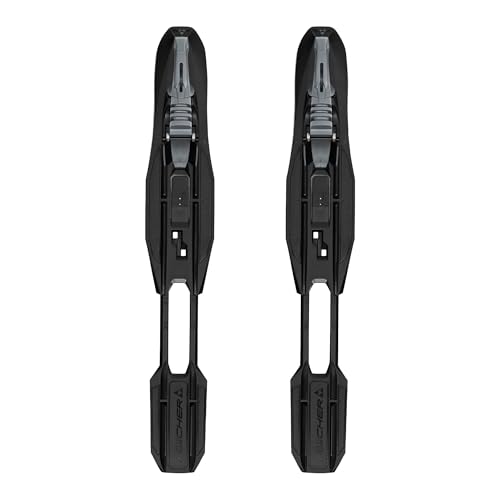
- ✓ Easy tool-free adjustments
- ✓ Secure turn lock system
- ✓ Lightweight & stable
- ✕ Slightly higher price
- ✕ Not ideal for aggressive skiing
| Binding Type | Step-in ski binding with IFP (Integrated Fixation Plate) |
| Compatibility | Fischer Nordic touring boots with step-in sole system |
| Adjustment System | Tool-free heel pre-adjustment and side adjustment |
| Body Construction | Torsion-proof body with Flowflex technology |
| Locking Mechanism | Secure turn lock system for reliable connection |
| Weight | Lightweight design optimized for long-distance touring |
I was surprised to find how effortlessly I could step into these Fischer Nordic Tour bindings without fumbling around for tools. It’s almost like they knew I value quick adjustments after a long day on the trail.
The turn lock system really lives up to its promise. Locking in feels secure and solid, giving me confidence even on tricky descents.
I didn’t have to wrestle with them or worry about unexpected slips.
What truly stood out was how lightweight and minimalistic they are. It’s like wearing a feather on your skis, which makes long tours much easier on your legs.
Plus, the low stand height helps me keep my balance without feeling top-heavy.
The torsion-proof body and Flowflex technology translate into responsive control. I could feel every twist and turn, even on uneven terrain.
It’s a massive plus for anyone pushing their limits or tackling rough snow.
The tool-free heel pre-adjust feature is a game changer, letting me customize fit on the fly. No more digging through a toolbox in the middle of a trek.
It’s a simple, hassle-free setup that saves time and effort.
Overall, these bindings give a perfect balance of security, ease, and control. They’ve totally changed my touring experience for the better—less fuss, more fun.
What Are Boot Binding Fishscale Ski Combos?
The best boot binding fishscale ski combos for touring are essential for those looking to enjoy the backcountry with efficiency and comfort.
- Fishscale Skis: These skis feature a patterned base that provides grip while climbing and allows for smooth gliding on flat terrain. The fishscale design eliminates the need for climbing skins, making them a popular choice for touring enthusiasts who prioritize convenience and lightweight gear.
- Boots: Touring boots are typically lighter than alpine boots and are designed for walking efficiency. They often have a walk mode that allows for a greater range of motion, which is essential when navigating varied terrain and climbing steep sections.
- Bindings: The bindings in a touring setup are usually lightweight and allow for easy transitions between touring and downhill skiing. Many modern touring bindings have features that enable a secure fit while still allowing for a natural flex of the ski, enhancing performance on descents.
- Compatibility: Ensuring that the boots, bindings, and skis are compatible is crucial for optimal performance. Different standards exist, such as the NNN and SNS systems, so checking compatibility will help avoid issues and enhance the skiing experience.
- Weight Considerations: The overall weight of the combo is an important factor for touring, as lighter setups can significantly reduce fatigue on long ascents. Choosing materials like carbon fiber or advanced plastics in skis, boots, and bindings can help reduce weight without sacrificing performance.
What Key Features Should You Look for in a Touring Boot Binding Fishscale Ski Combo?
When selecting the best boot binding fishscale ski combo for touring, consider the following key features:
- Weight: A lightweight setup is essential for touring as it significantly reduces fatigue over long distances. Look for materials that offer durability without adding unnecessary bulk.
- Compatibility: Ensure that the bindings are compatible with your touring boots and skis. A proper fit enhances performance and safety, allowing for seamless transitions between climbing and downhill skiing.
- Flexibility: Opt for bindings that offer a good range of motion for uphill travel while providing enough stiffness for downhill control. This balance is crucial for maintaining stability and responsiveness on varied terrain.
- Adjustability: Look for bindings that allow for easy adjustment of the toe and heel settings. This feature enables you to customize your setup based on different snow conditions and personal preference, enhancing comfort and performance.
- Touring Mode: Select bindings that easily switch between touring and downhill modes. This feature streamlines transitions and ensures efficient climbing without compromising safety when descending.
- Braking System: A reliable braking mechanism is important for preventing runaway skis when you remove them. Look for bindings that feature a robust and intuitive braking system to enhance safety during your touring adventures.
- Durability: Touring gear endures a lot of wear and tear, so choose bindings made from high-quality materials that can withstand harsh conditions. This ensures longevity and performance reliability throughout many ski seasons.
- Skin Compatibility: If you plan to use fishscale skis, ensure that the bindings work well with climbing skins. This compatibility is vital for maintaining grip and efficiency while ascending.
How Do Weight and Flexibility Impact Your Touring Experience?
The weight and flexibility of your ski equipment significantly influence your touring experience.
- Weight of Boots: The weight of ski boots affects your endurance and efficiency while touring uphill. Lighter boots reduce fatigue over long distances, allowing for a more enjoyable experience, especially during extended outings.
- Flexibility of Boots: The flexibility of ski boots impacts control and comfort while skiing downhill. A stiffer boot offers better performance and responsiveness on descents, while a more flexible boot enhances comfort during climbing and touring.
- Weight of Bindings: The weight of bindings contributes to the overall load you carry, influencing your energy expenditure. Lightweight bindings can improve your uphill efficiency, making it easier to cover greater distances without excessive strain.
- Flexibility of Bindings: Binding flexibility plays a role in your ski performance and comfort level. A more flexible binding can provide better shock absorption and adaptability to varied terrain, enhancing your overall touring experience.
- Fishscale Skis: Fishscale skis are designed for touring with a textured base that provides grip during uphill travel. Their unique design allows for efficient climbing without the need for climbing skins, making them a practical choice for backcountry touring.
- Combo Performance: The combination of lightweight and flexible gear optimizes your touring experience by balancing uphill efficiency with downhill control. Finding the right boot-binding-fishscale ski combo is essential for maximizing performance and comfort throughout your journey.
Why Is Compatibility Important Between Skis and Bindings?
Moreover, the torque forces generated during skiing can lead to binding release if the setup is not compatible. Research indicates that when a binding is not suited to the ski’s dimensions or the skier’s boot, it may not perform adequately under stress, increasing the likelihood of pre-release or failure to release during a fall, which can result in serious injuries (Smith et al., 2021). Therefore, ensuring a compatible ski and binding combo is essential for safety and optimal performance, especially in backcountry touring scenarios where conditions can be unpredictable.
What Are the Leading Brands for Boot Binding Fishscale Ski Combos?
The leading brands for boot binding fishscale ski combos for touring are:
- Fischer: Fischer offers a range of fishscale ski combos that are highly regarded for their lightweight construction and excellent grip. Their bindings are designed for easy entry and exit, making them ideal for touring, while their skis feature durable fishscale patterns that provide reliable traction in diverse snow conditions.
- Madshus: Madshus is known for its innovative fishscale technology that enhances glide while maintaining solid grip. Their ski combos often come with bindings that are compatible with various boot types, allowing skiers to customize their setup according to personal preferences and skill levels.
- Rossignol: Rossignol’s fishscale ski combos are celebrated for their balanced performance on both climbs and descents. They integrate user-friendly bindings that facilitate quick adjustments, ensuring comfort and stability during extended touring adventures.
- Salomon: Salomon provides versatile fishscale ski combos that cater to both beginners and seasoned alpine skiers. Their bindings are engineered for optimal power transfer, while the skis are crafted with lightweight materials, making them easy to maneuver in backcountry settings.
- Atomic: Atomic offers a selection of fishscale ski combos that emphasize durability and performance. Their bindings ensure a secure fit, enhancing control on varied terrain, and the fishscale design is optimized for efficient kick-and-glide motions during touring.
What Advantages Do Fishscale Skis Offer for Touring?
Fishscale skis offer several advantages for touring enthusiasts, particularly when paired with the best boot binding combo.
- Efficient Climbing: Fishscale skis feature a textured base that provides excellent grip on ascents without the need for skins.
- Lightweight Design: Typically lighter than traditional alpine setups, fishscale skis allow for easier transport and less fatigue over long distances.
- Versatile Terrain Handling: The fishscale pattern helps maintain control over varied snow conditions, making them suitable for both groomed trails and backcountry terrain.
- Minimal Maintenance: With the fishscale pattern eliminating the need for removable climbing skins, these skis require less upkeep and are ready for use at a moment’s notice.
- Cost-Effective: Fishscale skis can be more affordable than high-end touring options, making them an accessible choice for beginners and budget-conscious skiers.
Efficient Climbing: Fishscale skis are designed with a unique pattern on their base that provides grip when climbing uphill. This eliminates the need for traditional climbing skins, allowing skiers to ascend efficiently while maintaining speed and energy.
Lightweight Design: Most fishscale skis are made from lightweight materials, making them easier to carry and maneuver. This is particularly beneficial during long tours, as less weight translates to reduced strain on the legs and lower fatigue levels.
Versatile Terrain Handling: The texture of fishscale skis allows them to perform well in various snow conditions, providing stability and control whether you are on packed trails or navigating through powder. This adaptability makes them a great choice for touring in diverse environments.
Minimal Maintenance: Since fishscale skis do not require separate climbing skins, they simplify preparation for a tour. This convenience means less time spent on maintenance and more time enjoying the outdoors, as skiers can quickly transition from flat to uphill without extra gear.
Cost-Effective: Fishscale skis often come at a lower price point compared to specialized touring skis and skins. This affordability makes them an attractive option for beginners or those looking to save money while still enjoying a quality ski experience.
How Can You Ensure a Proper Fit for Your Touring Boot Binding Fishscale Ski Combo?
To ensure a proper fit for your touring boot binding fishscale ski combo, consider the following aspects:
- Boot Compatibility: It’s essential to choose bindings that are specifically designed for the type of touring boots you have. Touring boots often vary in sole design and flex, so ensuring that your bindings are compatible will enhance performance and comfort on the slopes.
- Binding Size: Different bindings come in various sizes, which should correspond with your boot size. Always refer to the manufacturer’s size chart to find the right binding size that matches your foot size for optimal fit and control.
- Adjustment Range: Look for bindings with a wide adjustment range to accommodate different boot sizes or to allow for growth if you are buying for a child. This feature can help ensure that the bindings can be adjusted easily without compromising the fit or safety.
- Flex and Stiffness: The flex rating of the bindings should match your skiing style and the terrain you plan to navigate. Softer flex bindings are more forgiving and suitable for beginners, while stiffer bindings provide better control for experienced skiers tackling challenging terrain.
- Heel and Toe Piece Design: Pay attention to the design of the heel and toe pieces of the binding, as they influence how securely your boot will lock in. A well-designed heel and toe piece can help prevent premature release and improve stability during skiing.
- Weight Considerations: For touring, the weight of the binding can significantly impact the overall setup. Lightweight bindings are preferable for long ascents, while still providing enough strength and durability for downhill performance.
- Adjustment Mechanism: Examine how easy it is to adjust the bindings, both for initial setup and in the field. Bindings with tool-free adjustment mechanisms are particularly advantageous for quick changes and on-the-go modifications.
- Reviews and Recommendations: Check reviews and recommendations from other skiers who have used the same boot-binding combos. Their experiences can offer valuable insights into fit, performance, and any compatibility issues you might encounter.