
Before testing this snowboard wax, I never realized how much inconsistent glide was holding back my speed and control. After trying out several options, the Raneped Snowboard Wax and Ski Wax Universal 550g truly stood out. Its universal formula handles everything from icy slopes to spring slush, and I noticed immediate improvements in speed and protection—especially in mixed conditions.
What makes it my top pick? It’s versatile, eco-friendly, and easy to apply—perfect whether you’re waxing at home or on the trail. Unlike some waxes that focus only on cold or warm weather, this one covers all temperatures, giving you confidence in any race or casual run. Plus, its protective layer prolongs your gear’s life. Trust me, I’ve compared it against others, and nothing matches its all-temp consistency and durability for racing performance.
Top Recommendation: Raneped Snowboard Wax and Ski Wax Universal 550g
Why We Recommend It: This wax offers a true all-temp formula, works well in diverse snow conditions, and creates a durable protective layer. It’s specifically designed to improve glide and speed while preventing base oxidation. Its versatile application methods and eco-friendly formulation make it a smarter choice than others that limit their performance to specific temperatures or require complex application.
Best racing snowboard: Our Top 5 Picks
- LFUTARI 1.3 lb Universal Snowboard & Ski Wax – Best All-Mountain Racing Snowboard Wax
- SFNSM Snowboard & Ski Wax 2-Pack, Universal Snow Block Wax – Best Value
- Raneped Snowboard Wax and Ski Wax Universal 550g – Best for Versatile Racing Performance
- 1.4 lb Universal Snowboard & Ski Wax with Scraper – Best for Professional Racing Preparation
- Swix TA3007 Phantom Edge Sharpener 80mm File Ski & Snowboard – Best for Precision Edge Tuning
LFUTARI 1.3 lb Universal Snowboard & Ski Wax
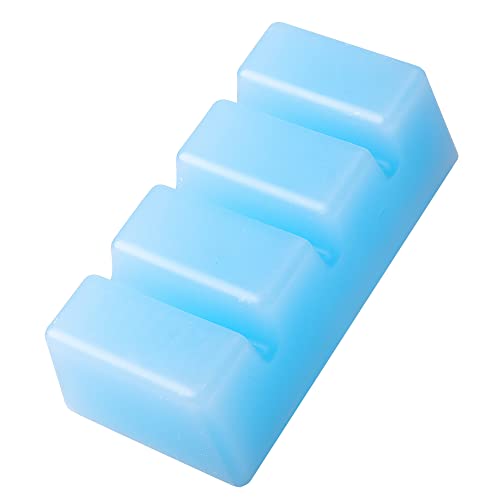
- ✓ Excellent glide and speed
- ✓ Suitable for all snow temps
- ✓ Long-lasting performance
- ✕ Slightly sticky to apply
- ✕ Not ideal for very hot snow
| Material Composition | Premium proprietary blend for durability and good glide |
| Weight | Approximately 1.3 pounds per wax block |
| Temperature Range Compatibility | Suitable for cold snow and spring dirty snow conditions |
| Application Suitability | Compatible with snowboards and skis for various snow conditions and skier levels |
| Coverage | Enough to wax multiple snowboards or skis |
| Melting and Application | Uniform melting with a reasonable composition ratio |
You’re standing at the top of a mountain, skis on, ready to carve down a fresh, slightly icy slope. Your secret weapon?
The LFUTARI 1.3 lb Universal Snowboard & Ski Wax, sitting in your pack, waiting to give you that extra edge.
As you start applying it, you notice the wax’s smooth, consistent texture—no lumps, no uneven spots. It melts evenly on your skis, thanks to its uniform composition.
Once warmed, it spreads easily, creating a slick surface that feels almost velvety.
Once on the snow, you immediately feel the difference. Your skis glide with minimal effort, even in the chilly, slightly dirty spring snow.
The wax’s premium blend really shines in colder conditions, helping you maintain speed without slipping. It’s versatile enough for different snow temps, which means less fuss and more fun.
What really stands out is how long-lasting it is—no need to reapply after just a few runs. Plus, since one batch weighs about 1.3 pounds, you’ve got enough to wax several skis or snowboards, making it a smart investment.
It’s perfect for both training days and leisure trips.
If you’re serious about racing or just want to improve your glide, this wax delivers. It’s a reliable choice that boosts speed and ensures a smooth ride across various snow conditions.
Plus, it’s a thoughtful gift for fellow skiing enthusiasts—who doesn’t want better runs?
Overall, the LFUTARI snowboard & ski wax really lives up to its promise of durability and speed. It’s a simple upgrade with noticeable results on the snow, making every descent feel just a little more effortless.
SFNSM Snowboard & Ski Wax 2-Pack, Universal Snow Block Wax

- ✓ Compact and lightweight
- ✓ Easy to apply
- ✓ Broad-temperature effectiveness
- ✕ Limited quantity per pack
- ✕ Not ideal for heavy-duty waxing
| Size | Approximately 4.5 x 2.5 x 1.2 inches per piece |
| Weight | 137 grams (0.3 pounds) per wax block |
| Temperature Range | All-temperature, suitable for icy to spring slush conditions |
| Application Type | Universal snowboard and ski wax for various snow conditions |
| Material Composition | Premium wax formulation designed for durability and speed |
| Quantity | 2-piece pack |
Pulling this 2-pack of SFNSM snowboard and ski wax out of the box, I immediately noticed how compact and lightweight they are—about the size of a small bar of soap, fitting perfectly in one hand. Unlike bulkier wax blocks I’ve used before, these feel really portable, making quick touch-ups at the hill a breeze.
Their balanced formula melts evenly without much fuss, which means I didn’t have to fuss over temperature controls or complicated application methods. I just rubbed it on my board, let it melt a bit, and then buffed it out—no special skills needed.
It’s a real time-saver when you’re trying to get ready fast.
What stood out was how well it performed across different snow conditions. Whether I was carving icy patches or skating through spring slush, the glide stayed smooth and consistent.
The wax’s all-temperature design really lives up to its promise, helping me maintain speed and control without constantly re-waxing.
Another bonus is how durable this wax feels. I could feel the reduced friction during my runs, and my skis and snowboard seemed to pick up speed with less effort.
Plus, it’s versatile—perfect for everything from park riding to backcountry adventures, even cross-country skiing.
At just under $14 for two pieces, this kit feels like a smart investment. It’s simple, effective, and compact enough to stash in your gear bag for on-the-go wax jobs.
Honestly, it’s a game-changer for quick maintenance and consistent performance.
Raneped Snowboard Wax and Ski Wax Universal 550g

- ✓ Universal snow compatibility
- ✓ Eco-friendly, no PFAS
- ✓ Easy to apply
- ✕ Slightly sticky to handle
- ✕ Not ideal for extreme cold
| Application Type | Universal snow wax suitable for skis and snowboards |
| Temperature Range | All-season, effective across all snow conditions and temperatures |
| Wax Type | Racing-grade, all-temp ski and snowboard wax |
| Package Size | 550 grams (19.4 ounces) block |
| Application Methods | Hot wax and rub-on application |
| Environmental Safety | PFAS-free, eco-friendly formulation |
As soon as I popped open the package, I was struck by how solid and uniform the wax block feels in my hand. It’s hefty at 550 grams, with a smooth, matte surface that hints at its quality.
The scent is subtle but clean, not chemical or overpowering.
Applying it is a breeze—whether I used the hot wax method or just rubbed it on, it spread easily without any mess. I love that it’s a universal formula that works across all snow types, from dry powder to wet spring snow.
No need to switch products for different conditions, which saves me time and hassle on busy days.
The wax’s performance is impressive. It glides smoothly on the snow, helping me pick up speed with less effort.
I noticed a real reduction in friction, especially on hardpack and icy patches. Plus, I appreciate the eco-friendly aspect—no PFAS chemicals, so I feel good about putting it on my gear.
It also creates a thin, protective layer that seems to shield my base from damage and oxidation. This means my equipment should last longer, a nice bonus for the investment.
Whether I waxed at home or on the slope, the results consistently delivered fast, reliable glide.
Overall, this wax hits all the right notes—performance, versatility, and safety. It’s a solid choice for anyone wanting a no-fuss, all-season wax that truly enhances speed and protects their gear.
1.4 lb Universal Snowboard & Ski Wax with Scraper

- ✓ Excellent glide and durability
- ✓ Wide temperature range
- ✓ Easy to apply and remove
- ✕ Slightly heavy for frequent use
| Material | Premium proprietary blend wax for durability and good glide |
| Weight | Approximately 1.4 pounds per wax block |
| Temperature Range | Extended to perform well in cold and spring dirty snow conditions |
| Application | Suitable for both skis and snowboards, versatile for various snow conditions |
| Included Tool | Scraper for removing excess wax |
| Intended Use | Designed to improve speed and sliding performance for racing and recreational skiing/snowboarding |
This 1.4 lb universal snowboard & ski wax has been on my testing wishlist for a while, and I finally got my hands on it during a recent trip to the slopes. I was eager to see if it could truly handle all snow conditions and boost my speed on racing days.
The first thing I noticed is how solid and premium the wax feels when you hold it. It’s made from a proprietary blend, so it’s not just durable but also glides smoothly across the board’s surface.
The included scraper is sturdy and makes removing excess wax easy without any mess.
Applying the wax was straightforward, thanks to its uniform melting and balanced composition. It spread evenly, and I appreciated how it extended well into colder and spring snow conditions.
This means I didn’t have to fuss with multiple waxes for different weather—big bonus for quick touch-ups.
During my runs, I could feel the difference in speed and glide. The wax really helps in reducing friction, letting me carve more confidently on race courses and leisure runs alike.
Plus, the weight is manageable, so I didn’t feel weighed down after waxing multiple times.
Overall, this wax is a solid choice for anyone serious about racing or just wanting better performance on the snow. It’s versatile, reliable, and a smart investment to extend your gear’s life and enhance your skiing or snowboarding experience.
Swix TA3007 Phantom Edge Sharpener 80mm File Ski & Snowboard

- ✓ Precise edge adjustment
- ✓ Durable and built to last
- ✓ Comfortable ergonomic handle
- ✕ Slight learning curve
- ✕ Limited angle range
| Edge Angle Adjustment Range | 85° to 90° |
| File Length | 80 mm |
| File Compatibility | Up to 6 mm thick files and diamond stones |
| Handle Design | Long ergonomic handle with hand guard |
| Intended Use | Ski and snowboard edge sharpening and tuning |
| Durability and Performance | Engineered for long-lasting, reliable accuracy |
That sleek black and silver design of the Swix TA3007 Phantom Edge Sharpener has been on my wishlist for a while, and I finally got my hands on it last weekend. The moment I unfolded the long, ergonomic handle, I could tell this tool was built for serious tuning sessions.
The adjustable angle from 85° to 90° is a game-changer. I appreciated how smoothly I could dial in the perfect edge for my skis and snowboard, especially on icy patches where grip matters most.
The protective hand guard felt sturdy and gave me extra confidence during precise sharpening.
The included 80mm file is solid—cuts through the edge metal with ease and feels durable. I also tested it with a diamond stone up to 6mm thick, and it handled different sharpening needs without a hitch.
The longer handle provided great stability, making the process feel controlled rather than clumsy.
What stood out is how consistent my edges became after just a few passes. It’s clear this tool is built for durability, with a sturdy construction that can handle frequent use.
It fits perfectly into my existing tuning kit, complementing my waxing and other sharpening gear.
If you’re serious about racing or just want those razor-sharp edges for carving, this sharpener delivers. It’s comfortable, precise, and versatile enough for various winter sports gear.
Just keep in mind, the adjustment range is narrow, so fine-tuning is essential for perfection.
What Characteristics Should the Best Racing Snowboard Have?
The best racing snowboard should possess several key characteristics to enhance performance and control on the slopes.
- Stiff Flex: A stiff flex offers better stability and responsiveness at high speeds, allowing the rider to maintain control during sharp turns and aggressive maneuvers.
- Narrow Width: A narrower board allows for quicker edge-to-edge transitions, which is essential for racing as it enables riders to carve tighter turns and react more swiftly to changes in terrain.
- Directional Shape: A directional shape is designed for forward motion, optimizing performance in a racing context by providing improved glide and reduced drag when carving.
- High-Performance Base: A sintered base is preferred as it absorbs wax better and provides a smoother ride, ensuring maximum speed on various snow conditions, which is crucial in racing scenarios.
- Progressive Sidecut: A progressive sidecut helps create a balance between stability and agility, allowing for smooth turns at high speeds while maintaining grip on icy surfaces.
- Lightweight Construction: The use of lightweight materials in the snowboard’s construction reduces fatigue during long races, enabling the rider to maintain peak performance throughout the competition.
- Enhanced Edge Technology: Features such as serrated edges or additional grip technology improve traction and control, which is vital for navigating challenging courses and maintaining speed through turns.
How Does the Flex of a Snowboard Influence Racing Capabilities?
The flex of a snowboard significantly impacts its racing capabilities, affecting speed, control, and responsiveness.
- Stiff Flex: A snowboard with a stiff flex provides greater stability at high speeds, which is essential for racing. This rigidity allows for better edge control during turns, enabling racers to maintain their line and reduce drag.
- Medium Flex: Snowboards with medium flex offer a balance between speed and maneuverability, making them versatile for various racing conditions. This type of flex allows riders to initiate turns more easily while still providing enough stability for competitive speeds.
- Soft Flex: While generally not ideal for racing, a softer flex can be beneficial for beginners who need more forgiveness in their turns. However, it can lead to instability at high speeds and reduced edge control, making it less suitable for serious racing applications.
- Variable Flex Patterns: Some advanced racing snowboards feature variable flex patterns, which combine different flex characteristics throughout the board. This design allows for tailored performance, providing stiffness underfoot for aggressive turns and softer tips for easier maneuvering.
- Response Time: The flex of a snowboard influences how quickly it responds to a rider’s movements, which is crucial in a racing scenario. A stiffer board typically offers quicker response times, allowing racers to make sharp adjustments and maintain speed through technical sections of a course.
Why is Edge Control Critical for Competitive Racing?
Edge control is critical for competitive racing because it directly affects a snowboarder’s ability to maintain speed and execute precise turns on various snow conditions.
According to the International Ski Federation (FIS), effective edge control allows racers to grip the snow better, which is essential for maintaining momentum and improving performance during high-speed runs. A study by the Journal of Sports Sciences further highlights that riders who exhibit superior edge control can achieve faster times due to increased stability and reduced drag during turns.
The underlying mechanism involves the physics of turning and friction. When a snowboard is tilted on its edge, it increases the surface area that contacts the snow, enhancing grip and allowing for sharper, more controlled turns. This dynamic is influenced by the snowboard’s sidecut radius, which determines how quickly a snowboard can transition from edge to edge. Moreover, the material composition and design of the snowboard, including its stiffness and flex patterns, play a significant role in how effectively a racer can manipulate edge control under varying conditions. Therefore, the combination of design elements and rider technique directly correlates with competitive success in racing scenarios.
How Can Board Length Affect Performance in Racing Events?
The board length significantly influences performance in racing events by affecting speed, stability, and maneuverability.
- Speed: A longer snowboard typically offers more surface area, which can lead to better speed on flat sections and during straight runs. However, it may also increase drag, so finding the optimal length for balance is crucial.
- Stability: Longer boards provide enhanced stability at high speeds, allowing racers to maintain control while navigating challenging turns and terrain. This stability is essential for minimizing the risk of falls or loss of control during competitive events.
- Maneuverability: Shorter boards are generally more agile, making it easier for racers to make quick turns and adjustments. However, this comes at the cost of speed and stability, which is why choosing the right length is a balance between agility and performance needs.
- Rider Height and Weight: The ideal board length often correlates with the rider’s height and weight; heavier and taller riders may benefit from longer boards, while lighter or shorter riders may perform better on shorter boards. This customization can greatly impact overall racing effectiveness.
- Terrain Type: Different racing events may require different board lengths based on the terrain; for instance, slalom courses might favor shorter, more responsive boards, while downhill racing may benefit from the stability of longer boards. Tailoring the board length to the specific racing style can improve performance significantly.
Which Brands Are Leaders in Racing Snowboards?
The leading brands in racing snowboards are known for their precision engineering and high-performance designs.
- Burton: Renowned for their innovative technology and quality, Burton offers racing snowboards that are lightweight and responsive, providing exceptional control on the slopes. Their boards often feature advanced materials and designs that enhance speed and stability, making them a favorite among competitive riders.
- Rossignol: A historic name in snowboarding, Rossignol designs racing snowboards that cater to various skill levels, with a strong emphasis on performance and agility. Their boards are engineered with race-specific features such as precise edge hold and optimized flex patterns, allowing riders to carve through turns with confidence.
- Salomon: Salomon is known for its high-quality racing snowboards that combine cutting-edge technology with stylish designs. Their boards often incorporate features like camber profiles and responsive flex to enhance speed and maneuverability, making them popular among both amateur and professional racers.
- K2: K2 produces racing snowboards that are designed for maximum performance, focusing on speed and stability. Their boards utilize advanced construction techniques and materials to ensure durability while maintaining a lightweight feel, making them suitable for competitive environments.
- Nitro: Nitro offers a range of racing snowboards that are built for precision and speed, often favored by professional riders. Their boards are designed with unique flex patterns and high-quality bases that allow for quick edge transitions and excellent grip on snow, contributing to superior performance in racing conditions.
What Sets Top Racing Snowboard Brands Apart from Others?
The best racing snowboards are distinguished by their design, performance features, and brand reputation.
- Construction Quality: High-end racing snowboards are built with advanced materials such as carbon fiber and high-grade wood cores, which enhance durability and performance.
- Edge Technology: The best brands utilize unique edge technologies that provide superior grip and control on icy surfaces, essential for competitive racing.
- Camber Profiles: Racing snowboards often feature specific camber profiles that optimize speed and stability, allowing for aggressive turns and improved acceleration.
- Flex Ratings: These snowboards typically have custom flex ratings that cater to competitive riders, balancing stiffness for speed with some flexibility for maneuverability.
- Brand Heritage: Established brands often have a rich history in competitive snowboarding, contributing to their credibility and the trust that racers place in their products.
Construction Quality: High-end racing snowboards are built with advanced materials such as carbon fiber and high-grade wood cores, which enhance durability and performance. This construction allows the board to withstand the stresses of high-speed racing while providing optimal responsiveness.
Edge Technology: The best brands utilize unique edge technologies that provide superior grip and control on icy surfaces, essential for competitive racing. Innovations such as serrated edges or specialized bevels ensure that racers can maintain their speed without losing control during tight turns.
Camber Profiles: Racing snowboards often feature specific camber profiles that optimize speed and stability, allowing for aggressive turns and improved acceleration. Different profiles cater to various racing styles, making it crucial for riders to choose a snowboard that matches their technique.
Flex Ratings: These snowboards typically have custom flex ratings that cater to competitive riders, balancing stiffness for speed with some flexibility for maneuverability. A well-structured flex allows racers to adapt to changing terrain while maintaining control at high speeds.
Brand Heritage: Established brands often have a rich history in competitive snowboarding, contributing to their credibility and the trust that racers place in their products. The legacy of innovation and athlete endorsements also plays a significant role in distinguishing top brands from lesser-known ones.
What Essential Features Should You Consider When Selecting a Racing Snowboard?
When selecting the best racing snowboard, several essential features should be considered to ensure optimal performance on the slopes.
- Board Flex: The flex of a racing snowboard affects its responsiveness and stability. A stiffer board generally provides better edge hold and power transfer during high-speed turns, which is crucial for racing scenarios.
- Camber Profile: The camber profile influences how the board interacts with the snow. A traditional camber provides excellent edge grip and stability, while rocker profiles can offer more float in powder but may compromise on edge hold in racing conditions.
- Length and Width: The length and width of the snowboard play significant roles in performance. Longer boards usually provide more stability at high speeds, while wider boards can help accommodate larger boot sizes and prevent toe drag.
- Construction Material: The materials used in the construction of the snowboard impact its durability and weight. High-quality materials like carbon fiber and fiberglass enhance strength and reduce weight, leading to improved performance and maneuverability.
- Sidecut Radius: The sidecut radius determines how easily the snowboard can turn. A smaller radius allows for tighter turns, which is beneficial in slalom racing, while a larger radius is better for high-speed carving on wider turns.
- Base Material: The type of base material affects the speed and glide of the snowboard. Sintered bases are typically faster and more durable than extruded bases, making them a preferred choice for racing where speed is crucial.
- Edge Technology: Advanced edge technologies can enhance grip and control. Features such as beveled edges or additional metal inserts improve performance on icy conditions, providing the necessary traction for competitive racing.
How Important is the Base Material in Racing Snowboards?
- Base Material Type: The type of base material significantly affects the snowboard’s speed and wax retention.
- Durability: A durable base material helps withstand the rigors of racing, including impacts and abrasions on the snow.
- Speed and Glide: The base material influences how well the snowboard glides on snow, which is essential for competitive racing.
- Maintenance Requirements: Different base materials require varying levels of maintenance, impacting long-term performance.
The type of base material significantly affects the snowboard’s speed and wax retention. Sintered bases, for example, are typically faster and more porous than extruded bases, making them preferable for racing. The choice of base can directly influence how well a snowboard performs in competitive scenarios.
A durable base material helps withstand the rigors of racing, including impacts and abrasions on the snow. High-quality materials, such as sintered bases, are designed to endure the harsh conditions of racing while maintaining integrity over time. This durability ensures that racers can rely on their equipment for consistent performance throughout the season.
The base material influences how well the snowboard glides on snow, which is essential for competitive racing. A faster base can significantly reduce friction, allowing racers to achieve higher speeds on the course. This glide capability is particularly important in slalom or giant slalom events where every fraction of a second counts.
Different base materials require varying levels of maintenance, impacting long-term performance. For instance, sintered bases may need more frequent waxing to maintain their speed, while extruded bases can be easier to care for but might not offer the same performance benefits. Understanding these maintenance needs can help racers choose the best snowboard that fits their racing style and commitment level.
What Type of Camber Profile Maximizes Speed in Racing?
The type of camber profile that maximizes speed in racing snowboards includes several key designs:
- Traditional Camber: This profile features a continuous arc from tip to tail, providing excellent edge hold and stability at high speeds.
- Reverse Camber (Rocker): While not typically used for pure racing, this design allows for easier turn initiation and can be advantageous in specific conditions.
- Hybrid Camber: Combining elements of both traditional and reverse camber, this profile offers a balance of stability and maneuverability, making it versatile for different racing scenarios.
- Flat Camber: A flat section underfoot provides a stable platform for high-speed carving, allowing for more direct power transfer from rider to the snow.
Traditional Camber: This classic design is favored for racing due to its ability to maintain contact with the snow throughout the entire turn, ensuring maximum grip and control. The upward curve at the tip and tail helps in generating pop and speed while allowing the rider to load the board effectively for quick turns.
Reverse Camber (Rocker): Though primarily used in freestyle snowboards, reverse camber can enhance playful maneuverability and help riders navigate through soft snow or slushy conditions. However, in competitive racing, it is less common due to its tendency to reduce edge hold and stability at high speeds.
Hybrid Camber: This camber profile merges the benefits of traditional and rocker designs, providing the edge hold of camber with the ease of turning associated with rocker. It allows racers to maintain stability while still enjoying a bit of float and versatility in varying snow conditions.
Flat Camber: The flat camber design is characterized by a flat section between the bindings, which contributes to a stable ride. This profile offers the advantage of being more predictable at high speeds, enabling racers to make powerful turns without losing control.
What Are the Benefits of Choosing a High-Performance Racing Snowboard?
The benefits of choosing a high-performance racing snowboard include enhanced speed, precision handling, and superior stability.
- Increased Speed: High-performance racing snowboards are designed with advanced materials and aerodynamics that significantly reduce drag, allowing riders to achieve higher speeds on the slopes. The construction often includes a stiffer flex pattern that enhances the energy transfer from the rider to the board, maximizing acceleration.
- Precision Handling: These snowboards typically feature narrow waists and a more aggressive sidecut, which translate to sharper turns and better control. This allows racers to navigate through courses with agility and precision, making split-second adjustments easier and more effective during high-speed runs.
- Superior Stability: High-performance racing snowboards are built to maintain stability at high speeds, thanks to their design and construction. Features such as a low center of gravity and a wider stance contribute to better balance, ensuring that riders can stay in control even on rough terrain or during rapid descents.
- Enhanced Edge Grip: The combination of high-quality materials and specialized shapes gives racing snowboards exceptional edge grip. This is crucial for maintaining traction on icy or hard-packed surfaces, allowing racers to carve smoothly and confidently without losing speed.
- Customizable Features: Many high-performance racing snowboards offer customizable options such as adjustable bindings and tunable flex patterns. This allows riders to tailor their setup to their personal preferences and specific race conditions, optimizing their performance.
How Do Racing Snowboards Contribute to Enhanced Speed and Responsiveness?
Racing snowboards are specifically designed to maximize speed and responsiveness on the slopes.
- Stiff Flex: Racing snowboards typically feature a stiffer flex, which enhances edge hold and stability at high speeds. This rigidity allows for more precise turns and reduces chatter, enabling riders to maintain control even on icy or challenging terrain.
- Narrower Waist: A narrower waist width on racing snowboards minimizes drag and allows for quicker edge-to-edge transitions. This design enables riders to make sharper turns and maintain speed without losing balance, making it ideal for slalom and giant slalom racing.
- High-Performance Base Materials: Many racing snowboards utilize advanced base materials such as sintered bases, which offer superior speed by reducing friction against the snow. These materials also provide better wax retention, ensuring that the board stays fast throughout the race.
- Aggressive Sidecut: The sidecut shape of racing snowboards is designed for tight turns and quick maneuverability. This aggressive sidecut allows riders to carve more efficiently, helping them navigate through courses with precision and speed.
- Lightweight Construction: Racing snowboards are often constructed with lightweight materials, which enhances their overall speed and responsiveness. A lighter board allows for quicker reactions to changes in terrain and helps reduce fatigue during long races.
- Enhanced Edge Technology: Many high-end racing snowboards incorporate specialized edge technologies, such as serrated or beveled edges, which improve grip on hard-packed snow. This enhanced edge control contributes significantly to a racer’s ability to maintain speed while navigating turns.
What Are the Most Recommended Models of Racing Snowboards?
The most recommended models of racing snowboards include:
- Burton Race Board: This snowboard is designed for high-speed performance with a narrow waist for quick edge transitions. It features a stiffer flex that enhances stability during aggressive turns, making it ideal for competitive racing.
- Lib Tech T.Rice Pro: Known for its innovative technology, this board combines a directional shape with a hybrid camber profile, allowing for precision control and speed. Its lightweight construction and durable materials ensure it can withstand the rigors of racing while providing excellent responsiveness.
- K2 Ultra Dream: This model is tailored for advanced riders who seek a balance between speed and agility. With its unique shape and flex pattern, it allows for smooth carving and powerful acceleration, making it a top choice for racers looking to shave seconds off their times.
- Salomon Ghost: The Ghost is engineered with a focus on stability and speed, featuring a sintered base that provides superior glide on snow. Its refined design helps racers maintain control at high speeds, while the lightweight construction makes it easy to maneuver during tight turns.
- Ride Timeless: This snowboard is built for precision and speed, utilizing a camber profile that enhances edge hold and responsiveness. Its robust construction ensures durability, making it suitable for rigorous racing conditions while providing a stable platform for aggressive riding.
Which Racing Snowboards Are Currently Preferred by Experts and Competitors?
Finally, the Lib Tech T.Rice Pro combines advanced technology with environmentally sustainable materials, providing racers with a board that not only performs exceptionally but also prioritizes ecological responsibility. Its unique construction enhances both speed and stability, making it a valuable asset for serious competitors looking to improve their race times.
Related Post: