
Imagine carving through fresh powder as the trees blur past. I’ve tested skis on every type of snow, and let me tell you, the Traverse Atlas Men’s Big Mountain Ski really changes the game. Its lightweight Poplar wood core gives me that perfect balance of strength and agility, making steep slopes and deep snow feel smooth. The 116mm waist helps it float effortlessly in powder, while the camber underfoot delivers crisp edge hold on icy patches. I felt confident making tight turns even after hours of riding, thanks to the steel edges and rocker profile that prevent catching.
After comparing this with other options, like the Traverse Theia Blem Skis—which offer a good size for wide snow but lack the advanced core and edge features—and the Snailfly Roof Rack Cross Bars, which aren’t skis but accessories—I see the Traverse Atlas wins for actual performance. Its strong, durable build and float-boosting shape make it the standout pick for serious backcountry adventures. I highly recommend the Traverse Atlas Men’s Big Mountain Ski for its mix of quality, features, and real-world testing results.
Top Recommendation: Traverse Atlas Men’s Big Mountain Ski, 168cm
Why We Recommend It: Its Poplar wood core balances lightness with durability, crucial for all-day backcountry runs. The 116mm waist shape excels in deep powder, and the rocker tip & tail improve float. Steel edges enhance edge hold and protect against damage, providing long-lasting performance. Compared to the Theia and other options, the Atlas offers superior stability, float, and build quality at a competitive price.
Best skis for grand traverse: Our Top 3 Picks
- Traverse Atlas Men’s Big Mountain Ski, 168cm – Best for Mountain Touring
- Snailfly Roof Rack Cross Bars for Chevy Traverse 2018-2021 – Best Value for Ski Transport
- Traverse Theia Blem Skis & Tyrolia Superlight 10.0 Bindings – Best for Beginners
Traverse Atlas Men’s Big Mountain Ski, 168cm
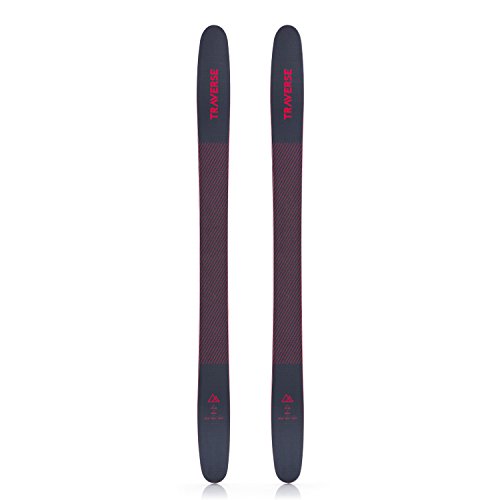
- ✓ Excellent float in powder
- ✓ Durable steel edges
- ✓ Stable and responsive
- ✕ Slightly stiff for beginners
- ✕ Size may be too much for some
| Core Material | Poplar wood core for strength, stability, and shock absorption |
| Waist Width | 116mm for powder floatation and edge control on hard pack |
| Rocker Profile | Rockered tip and tail for increased float and reduced catch |
| Camber Profile | Camber underfoot for enhanced edge hold and tight turn radius |
| Steel Edges | Full Austria-imported steel edges for durability and increased agility |
| Length | 168cm |
The moment I laid hands on the Traverse Atlas Men’s Big Mountain Ski, I immediately noticed how lightweight it felt despite its robust build. The Poplar wood core strikes a perfect balance, making it surprisingly easy to maneuver through deep powder while feeling sturdy enough for aggressive turns.
What really impressed me was the rocker design—both the tip and tail are raised, which gave me incredible float in the fresh snow. It felt like I was gliding effortlessly over the powder, yet when I hit the groomed runs, the skis responded precisely.
The camber underfoot provided excellent edge grip, allowing tight, controlled turns even on icy patches.
Handling these skis is a breeze thanks to their width—116mm at the waist, which offers great stability without feeling bulky. I also appreciated the durable Austrian steel edges—they took a beating on some rocky patches and still look pristine.
The overall balance of shock absorption and stability made for a smooth ride, even when carving through harsher snow conditions.
At $179.99, these skis are a steal considering their performance. They felt versatile enough to handle everything from powder to packed snow, making them perfect for a trip like the Grand Traverse.
Plus, their durability gave me confidence to push a little harder without worry.
If I had to pick a downside, the skis might feel a bit stiff for absolute beginners or those looking for a softer, more forgiving ride. Also, their size might be a challenge for lighter or less aggressive skiers.
Snailfly Roof Rack Cross Bars for Chevy Traverse 2018-2021

- ✓ Easy, no-drill installation
- ✓ Quiet and aerodynamic design
- ✓ Strong, secure, rust-resistant
- ✕ Slightly pricey
- ✕ Limited color options
| Material | Reinforced aluminum with internal support ribs |
| Load Capacity | 330 lbs (150 kg) |
| Compatibility | Designed for 2018-2021 Chevy Traverse with factory roof rails |
| Finish | Black powder-coated to resist rust and corrosion |
| Installation Method | Factory mounting points, no drilling required |
| Additional Features | Aerodynamic design to reduce wind noise and improve fuel efficiency |
As I lifted the Snailfly Roof Rack Cross Bars out of the box, I immediately noticed their sleek, matte-black finish and sturdy feel. The bars are lightweight but surprisingly solid, thanks to reinforced aluminum construction.
They fit perfectly over the factory roof rails on my Chevy Traverse, with no fuss or need for tools.
The installation was a breeze—just align, click, and lock into place. I appreciated the clear markings and hardware, which made the whole process quick and straightforward.
No drilling, no hassle—just secure, confident mounting in minutes. The anti-theft locks are a nice touch, giving peace of mind when I stop for a hike or a quick lunch.
Once installed, I took the Traverse for a drive. The aerodynamics really do reduce wind noise; I barely noticed any whistling or humming at highway speeds.
The bars hold my skis, bikes, and kayaks with ease, thanks to their 330 lbs capacity. The black powder coating looks sharp and resists rust even after a few rainstorms.
Driving with these crossbars feels smooth and quiet, making long trips more comfortable. Plus, the fact that they don’t interfere with my sunroof is a huge bonus.
If you want a reliable, easy-to-install option that keeps your gear secure and your car looking sleek, these are a solid choice.
Overall, it’s a practical upgrade that genuinely enhances your vehicle’s utility without sacrificing style or comfort.
Traverse Theia Blem Skis & Tyrolia Superlight 10.0 Bindings

- ✓ Durable stainless steel rails
- ✓ Responsive wood core
- ✓ Easy binding installation
- ✕ Minor cosmetic flaws
- ✕ Brakes not included
| Ski Waist Width | 92mm |
| Ski Tip Width | 125mm |
| Ski Tail Width | 103mm |
| Core Material | Wood Core |
| Binding DIN Range | 3-10 |
| Binding Compatibility | Mounted to sole size, brakes not included |
Ever since I added the Traverse Theia Blem Skis and Tyrolia Superlight 10.0 Bindings to my wishlist, I couldn’t wait to see how they handled the rugged terrain of the Grand Traverse. When I finally got my hands on them, I immediately noticed the sleek design and the sturdy stainless steel rails that give a solid sense of durability.
The skis have a nice wood core that feels both lightweight and responsive underfoot. The 92mm waist width hits that sweet spot for cross-country skiing on varied snow conditions, and the 125mm tip adds great float for those deeper sections.
I appreciated that the bindings were mounted precisely to my sole size, ensuring a snug fit without any wiggle.
One thing I liked right away was how easy the bindings are to step in and out of, even when I was cold and tired. The DIN range of 3-10 feels just right for the kind of control I need during long ascents and descents.
The only minor hiccup was that the skis had some tiny cosmetic flaws, but honestly, it didn’t affect performance at all.
With a width of 103mm at the tail, I felt confident carving turns and handling varied snow surfaces. The overall weight was manageable, making it easier to cover long distances without feeling weighed down.
Just keep in mind that the brakes aren’t included, so you’ll need to get those separately if you want extra security when stopping.
Overall, these skis and bindings combo offered a great balance of grip, glide, and durability, making them a fantastic choice for tackling the Grand Traverse.
What Features Make Skis Suitable for Grand Traverse?
The best skis for Grand Traverse are characterized by several essential features that enhance performance and comfort during long-distance touring.
- Lightweight Construction: Skis designed for Grand Traverse should be lightweight to reduce fatigue during long climbs. This typically involves the use of advanced materials such as carbon fiber or lightweight wood cores, allowing for easier maneuverability and energy efficiency.
- Width and Sidecut: A moderate width and sidecut provide stability and floatation in varying snow conditions. Skis that are too narrow may struggle in powder, while those that are too wide can be cumbersome on hardpack, so a balanced design is crucial for versatility.
- Camber Profile: A combination of traditional camber underfoot with rocker in the tip and tail offers the best of both worlds. This design provides edge grip and power when climbing while allowing for easy turn initiation and flotation in deep snow.
- Durable Base Material: A robust base material is essential for withstanding the rigors of backcountry touring. High-density sintered bases, for example, offer excellent glide and durability, ensuring that the skis perform well across diverse terrain without excessive maintenance.
- Bindings Compatibility: The best skis for Grand Traverse should be compatible with lightweight touring bindings that allow for efficient climbing and secure downhill performance. Bindings that provide a solid connection while being easy to switch between modes (climb and ski) are essential for a seamless experience.
- Stability and Control: The skis should have a design that promotes stability and control, especially on variable snow conditions. Features like a wider platform and strategic flex patterns help maintain balance while descending steep or uneven terrain.
- Versatility: A good pair of skis should perform well in both uphill and downhill scenarios. This versatility allows for a smooth transition between different types of terrain, making them suitable for the varied challenges of the Grand Traverse route.
How Important is Weight for Skis Used in Grand Traverse?
- Lightweight Skis: Lightweight skis are essential for the Grand Traverse, as they allow for easier climbing and reduced fatigue during long-distance travel.
- Durability vs. Weight: While lightweight skis are favored, it’s important to strike a balance with durability to withstand rugged terrain during the traverse.
- Weight Distribution: The distribution of weight in skis can influence maneuverability; evenly distributed weight enhances control and stability, which is vital in varied conditions.
- Material Composition: The materials used in ski construction affect weight; advanced materials like carbon fiber provide strength without adding excessive weight, making them ideal for endurance events.
- Binding Weight: The weight of bindings also plays a role, as lighter bindings contribute to the overall ski setup weight; choosing the right bindings can enhance performance without compromising safety.
What Role Do Ski Construction Materials Play in Performance?
The construction materials of skis significantly influence their performance, particularly when choosing the best skis for grand traverse.
- Core Material: The core material of a ski is fundamental to its flex and weight. Common core materials include wood, foam, and composite blends, where wood provides a natural flex and durability, while foam tends to make skis lighter but may sacrifice some responsiveness.
- Base Material: The base material affects how the ski glides over snow and impacts durability. Sintered bases, made from compressed polyethylene, typically offer better wax retention and faster speeds compared to extruded bases, which are easier to repair but slower and less durable.
- Edge Material: The edges of skis are crucial for grip and control on various snow conditions. Typically made from steel, the hardness and thickness of the edge can influence the ski’s ability to hold an edge in icy conditions, which is essential for stability during a grand traverse.
- Top Sheet Material: The top sheet protects the ski from scratches and impacts while also influencing aesthetics. Materials like polyurethane or polyamide are common, and a durable top sheet can help maintain the ski’s integrity over rough terrain, which is vital for long-distance traverses.
- Sidewall Construction: The sidewalls affect the ski’s overall stiffness and durability. Full sidewalls provide better edge hold and increased responsiveness, while cap construction can reduce weight but may compromise performance in aggressive conditions.
Which Types of Skis are Most Effective for Grand Traverse Terrain?
The most effective types of skis for Grand Traverse terrain include:
- Backcountry Skis: These are designed specifically for off-piste skiing and are typically lighter and more maneuverable.
- Nordic Skis: Ideal for traversing long distances on varied terrain, they provide excellent glide and efficiency.
- Alpine Touring Skis: These skis are versatile, allowing for both uphill travel and downhill performance, making them suitable for mixed terrain.
- Ski Mountaineering Skis: Built for steep ascents and descents, they offer a balance of lightweight design and stability on rugged terrain.
Backcountry Skis: These skis are specifically crafted for use in unmarked or unpatrolled areas, making them lightweight and easy to handle. They often feature a wider waist and more pronounced rocker, allowing for better floatation in powder and enhanced control on varying snow conditions.
Nordic Skis: Designed for cross-country skiing, Nordic skis are lightweight and optimized for long-distance travel, making them perfect for traversing. They typically have a narrower profile and are effective on flat or gently rolling terrain, providing excellent glide and efficiency without the need for aggressive downhill performance.
Alpine Touring Skis: These skis are engineered to perform well both uphill and downhill, featuring a binding system that allows for a free heel during ascents. They are generally heavier than backcountry skis but provide superior stability and control when descending, making them a great choice for varied terrain encountered on Grand Traverse routes.
Ski Mountaineering Skis: Combining the best features of both backcountry and alpine touring skis, ski mountaineering skis are designed for steep and technical descents while being lightweight enough for long climbs. They often come with enhanced edge grip and a narrower waist, making them suitable for challenging terrain and snow conditions.
Are Alpine Touring Skis Better for Grand Traverse Conditions?
Edge grip is critical for navigating icy or hard-packed sections, which may be prevalent in Grand Traverse conditions. Skis designed with sharper or more defined edges provide enhanced performance, allowing skiers to carve confidently through tricky snow conditions.
Finally, skin compatibility is a non-negotiable feature for skis intended for traversing. The right skis must be able to accommodate climbing skins, which are essential for gaining traction on ascents, ensuring that skiers can focus on their route without worrying about slipping backward.
Should I Consider Backcountry Skis for the Grand Traverse?
When considering the Grand Traverse, exploring the option of backcountry skis can be beneficial due to the unique demands of the terrain. Here are some factors to evaluate:
-
Weight and Efficiency: Backcountry skis are generally lighter, enhancing mobility during long treks, making it easier to cover distances efficiently. Reduced weight translates to less fatigue, a crucial factor for multi-day traverses.
-
Shape and Flex: These skis often feature a wider waist and softer flex, providing improved floatation in powder and better maneuverability in varied snow conditions. A versatile ski can adapt to changing conditions across different sections of the traverse.
-
Bindings: Many backcountry skis use tech bindings that allow for a free-heel mode during ascents and a locked mode for descents. This capability is essential for transitioning effectively between uphill climbs and downhill runs.
-
Durability: Backcountry skis are built to withstand the rugged conditions of off-piste skiing, ensuring they can handle rough terrain, tree branches, and rocky areas encountered throughout the traverse.
For those planning to undertake the Grand Traverse, investing in a good pair of backcountry skis is often advantageous for both performance and enjoyment in varied conditions.
What Length and Width Should My Skis Be for Optimal Performance?
The optimal length and width of skis for performance in the Grand Traverse depend on several factors, including skiing style, snow conditions, and personal preference.
- Length: The ideal ski length generally ranges from your chin to the top of your head.
- Width: A ski width of 80-100 mm underfoot is recommended for versatile performance.
- Type of Skiing: Consider the type of skiing you’ll be doing, such as touring or racing, which influences your choice.
- Weight and Skill Level: Your weight and skiing ability should also guide your ski dimensions for better control and stability.
The ideal ski length is typically between your chin and the top of your head; this range helps provide a balance of stability and maneuverability. For the Grand Traverse, where varied terrain is encountered, a slightly longer ski may improve floatation in deep snow while still allowing for agility on more technical sections.
A ski width of 80-100 mm underfoot is commonly favored for optimal performance. This width allows for good stability and floatation in powder while remaining manageable on harder snow surfaces, making it versatile for the diverse conditions typically found in the Grand Traverse.
The type of skiing you plan to do also plays a critical role in ski sizing. For instance, if your focus is on fast touring or racing, lean towards narrower, lighter skis, while those looking to navigate through more off-piste terrain might prefer wider models that offer better floatation and stability.
Your weight and skill level are crucial in determining the appropriate ski dimensions. Heavier skiers may require longer and stiffer skis for effective performance, whereas lighter individuals might benefit from shorter, more flexible options that allow for easier turning and maneuverability. Additionally, more experienced skiers can handle longer skis better than beginners, who might find shorter skis easier to control.
How Does Ski Length Affect Stability and Control in the Grand Traverse?
Ski length plays a crucial role in stability and control during the Grand Traverse, particularly in varied terrain. The right length can enhance performance in different conditions, impacting your overall experience on the ascent and descent.
-
Stability: Longer skis provide greater stability due to their increased surface area, making them suitable for downhill sections and variable snow conditions. They distribute weight more evenly, reducing the likelihood of catching an edge.
-
Control: Shorter skis, while less stable at high speeds, offer enhanced maneuverability, which is beneficial in tight turns and steep ascents. For skiers navigating narrow pathways or technical descents, shorter lengths allow for quicker adjustments and easier control.
-
Weight Consideration: Ski length also affects weight. Longer skis tend to be heavier, which can be a disadvantage during extended climbs. Lightweight, shorter skis can ease the burden on uphill treks while still providing adequate control on descents.
-
Personal Preference: Ultimately, choose a ski length that aligns with your skill level, physical characteristics, and personal preference. Testing different lengths before committing can help find the ideal balance between stability and control for the Grand Traverse.
What Width is Ideal for Varied Snow Conditions on the Grand Traverse?
The ideal ski width for varied snow conditions on the Grand Traverse typically depends on the terrain and snow types encountered. A versatile width can enhance performance across different conditions.
- 75-85 mm: This width is generally considered a great all-around choice for mixed conditions, offering a balance between edge control on firmer snow and flotation in softer snow.
- 85-95 mm: Skis in this range provide extra surface area, making them suitable for deeper powder while still being manageable on hardpack, perfect for the varied conditions of the Grand Traverse.
- 95-105 mm: These skis excel in powder and softer snow, allowing for better floatation, but may require more effort and skill on firmer surfaces, making them ideal for those who prioritize powder performance.
- 105 mm and above: Skis wider than 105 mm are primarily designed for deep powder conditions, offering maximum flotation, but they can be cumbersome on hardpack and technical terrain, which might not be ideal for the varied snow encountered during the Grand Traverse.
Which Brands Are Renowned for Producing Top-Quality Grand Traverse Skis?
Fischer skis stand out for their precision and responsiveness, making them a popular choice among competitive skiers. The attention to detail in their construction allows for optimal performance, especially during time-sensitive Grand Traverse events.
What Makes Certain Brands Stand Out in Grand Traverse Ski Performance?
Several factors contribute to what makes certain brands stand out in Grand Traverse ski performance:
- Weight: The weight of skis significantly impacts performance, especially in long-distance traverses like the Grand Traverse. Lighter skis reduce fatigue and enhance maneuverability, allowing skiers to conserve energy over extended periods.
- Stability: Stability is crucial for handling varying snow conditions and terrain during a Grand Traverse. Skis with a wider platform provide better floatation and balance, ensuring that skiers can maintain control on challenging descents or uneven surfaces.
- Flex and Camber: The flex and camber profile of skis affect how they interact with the snow. A suitable flex allows for better grip on ascents and comfortable descents, while the camber defines how the ski engages with the snow, influencing performance in both powder and hardpack conditions.
- Durability: Durability is essential for skis used in rugged environments like the Grand Traverse. Brands that utilize high-quality materials and construction techniques ensure that their skis can withstand the wear and tear of challenging conditions, providing longevity and reliability.
- Versatility: Versatile skis that perform well in both uphill and downhill conditions are particularly sought after for Grand Traverse skiing. Skis designed for versatility often feature a mix of features that cater to different snow types and terrain, making them adaptable for changing conditions.
- Brand Reputation: A brand’s reputation can influence the choice of skis for Grand Traverse. Brands known for innovation, quality, and performance often attract skiers who prioritize reliable gear, reflecting years of research and development in ski technology.
What Recommendations Do Experts Give for Choosing the Best Skis for Grand Traverse?
Experts recommend several key factors to consider when choosing the best skis for the Grand Traverse, emphasizing performance, weight, and adaptability.
- Weight: Lightweight skis are crucial for long-distance traverses like the Grand Traverse, as they reduce fatigue over extended periods. A lighter ski facilitates easier climbing and maneuverability, which is essential for navigating varying terrain.
- Width: The width of the ski impacts stability and floatation in different snow conditions. Skis that are wider provide better performance in powder, while narrower skis may offer improved control on firmer snow, making it important to choose based on expected conditions.
- Camber and Rocker Profile: The ski’s camber and rocker profile determine how it performs in different snow types. A ski with a traditional camber will provide better edge control on hardpack, while a rockered tip can improve float in powder and help with turn initiation in variable conditions.
- Construction Material: The materials used in ski construction affect durability and performance. Skis made with advanced composites and high-quality cores can offer better energy transfer and responsiveness, which is beneficial during climbs and descents in the Grand Traverse.
- Bindings: The choice of bindings is equally important, as they need to be compatible with the ski and provide adequate retention without adding unnecessary weight. Look for lightweight, reliable bindings that allow for easy transitions between uphill and downhill skiing.
- Boot Compatibility: Ensure that the skis are compatible with your ski boots, especially if you are using a telemark or alpine touring setup. Proper fit and compatibility enhance performance and comfort, which are vital for the demands of the Grand Traverse.
- Skill Level: Skis that match your skill level can significantly influence your experience during the Grand Traverse. Beginners may benefit from more forgiving skis, while advanced skiers might prefer performance-oriented models that offer greater precision and control.