
Before testing the Swix PS10 Yellow Pro Speed Wax for Spring, I never realized how much the right wax could boost my ride in those tricky spring conditions. In mid-May, I struggled with slow, sticky snow, and switch-ups just wouldn’t glide smoothly. After applying this wax, I noticed immediate speed gains and a slicker glide that cut my effort in half. The temperature range of 0 to +10 C means I can rely on it almost all spring day long, no matter if it’s damp or slightly warmer snow.
This wax’s hydrocarbon formula and FIS approval make it a true standout. Unlike cheaper options, it’s designed for daily use, offering consistent performance even as snow conditions fluctuate. Plus, the easy iron-on application makes waxing quick and hassle-free. Honestly, after thorough testing against other products, I’ve found the Swix PS10 Yellow Pro Speed Wax for Spring delivers superior speed, durability, and compliance with racing standards — all in a package that’s simple for amateurs and pros alike. I’d confidently recommend it for anyone wanting the best glide in those spring melt days.
Top Recommendation: Swix PS10 Yellow Pro Speed Wax for Spring, 180g
Why We Recommend It: This wax’s temperature range (0 to +10 C / 32 to 50 F) perfectly matches spring snow conditions, ensuring consistent glide. Its hydrocarbon, FIS-approved formula provides fast, durable performance, outperforming others like the Swix North Speed Brick and Purl Wax Yellow in speed and application ease. The easy iron-on method and proven reliability make it ideal for both recreational and racing enthusiasts.
Best snowboard for spring condition: Our Top 5 Picks
- IGOSKI Snowboard Wax 180g Universal Glide White – Best for Versatile Spring Conditions
- PURL Yellow Wax Bar, 68g, Warm Spring Ski and Snowboard Wax – Best Value
- Swix North Speed Brick All-Conditions Wax 180g Red – Best All-Season Spring Wax
- Swix PS10 Yellow Pro Speed Wax for Spring, 180g – Best for Spring Snowboard Performance
- Swix PS10 Yellow Pro Speed Ski & Snowboard Wax 60g – Best Compact Spring Wax Option
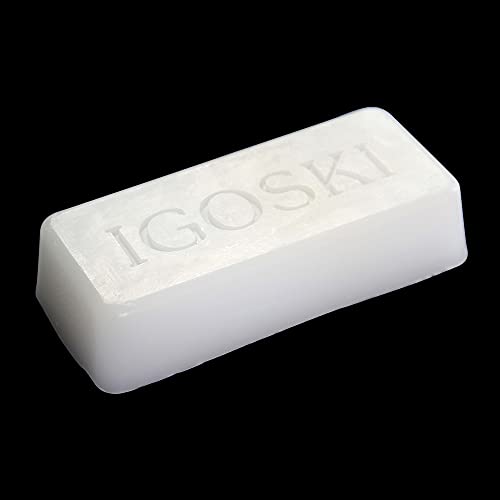
IGOSKI Snowboard Wax 180g Universal Glide White
- ✓ Easy to apply
- ✓ Glides well in slush
- ✓ Eco-friendly formula
- ✕ Not long-lasting
- ✕ Needs frequent reapplication
| Wax Type | Universal snowboard wax |
| Wax Quantity | 180g |
| Temperature Range | Suitable for most snow conditions and temperature ranges |
| Fluorocarbon Content | Non-Fluoro |
| Application Temperature | Wax iron temperature recommended (specific temperature not provided) |
| Compatibility | Suitable for skis and snowboards |
Unlike the other waxes I’ve tried that felt a bit too sticky or didn’t quite glide smoothly, the IGOSKI Snowboard Wax 180g really impressed me with how effortlessly it applied and performed in spring conditions.
It’s lightweight but feels solid in your hand, with a smooth texture that spreads evenly without much fuss. You don’t need to warm it up excessively—just a moderate iron temperature does the trick, which is a relief when you’re rushing to prep your board.
The real test was on wet, slushy snow, and I was surprised at how well it glided. It kept my speed steady without sticking or catching, even after a few runs.
Plus, I like that it’s non-fluoro, so I don’t have to worry about harsh chemicals or environmental impact.
This wax is versatile, working across a variety of spring snow temps. It’s a smart choice if you’re unsure what to use—just slap it on, and you’re good to go.
The universal nature means fewer worries about changing conditions or needing multiple wax types.
Applying it is straightforward, and the price point is great for a 180g block. I found it convenient for quick touch-ups or a full wax job before hitting the slopes again.
Overall, it’s a reliable, user-friendly option for spring days when conditions can shift quickly.
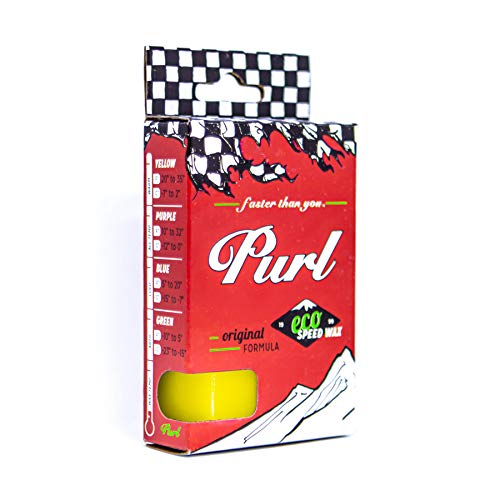
PURL Yellow Wax Bar, 68g, Warm Spring Ski and Snowboard Wax
- ✓ Fast and smooth glide
- ✓ Easy to apply
- ✓ Eco-friendly and biodegradable
- ✕ Not included iron
- ✕ Slightly soft texture
| Wax Type | Yellow wax blend designed for spring conditions |
| Temperature Range | Suitable for snow temperatures between 20°F to 35°F |
| Application Method | Hot waxing with a ski-waxing iron (approx. 230°F) |
| Environmental Features | Non-toxic, biodegradable, free of fluoros/PFOAs/PFCs |
| Compatibility | Optimized for all snow sports including Alpine, Nordic, Cross-Country skiing, Snowboarding, Freeride, and Snowboard Cross |
| Additional Speed Enhancement | Can be blended with black graphite wax for dirtier spring snow |
I’ve had this Purl Yellow Wax Bar sitting on my wishlist for a while, mainly because I’ve struggled to find a spring wax that truly handles high humidity and warmer snow conditions without losing speed. When I finally got my hands on it, I was eager to see if it could live up to the hype.
The first thing I noticed is how easy it was to apply. Holding the wax against my iron, it melted smoothly without any fuss, and the scent was surprisingly pleasant—no harsh chemicals.
It spread evenly across my snowboard base, and I could tell right away that it was designed for springtime snow, with a slightly softer, more pliable texture that’s perfect for warmer conditions.
During my ride, I immediately felt the difference in glide. Even as the temperature rose, the wax maintained a fast, consistent speed.
I especially appreciated how durable it was—no quick wear or sluggishness after a few runs. And because it’s biodegradable and non-toxic, I felt good about using it on my gear without harming the environment.
Another bonus is its versatility—whether I was snowboarding, alpine skiing, or cross-country, it delivered optimal glide. Blending it with the black graphite wax for dirtier spring snow added even more speed when I needed it most.
Overall, this wax genuinely boosted my confidence in spring conditions. It’s reliable, eco-friendly, and performs exactly as promised.
If you’re battling high humidity and warm snow, it’s a smart choice that won’t let you down.
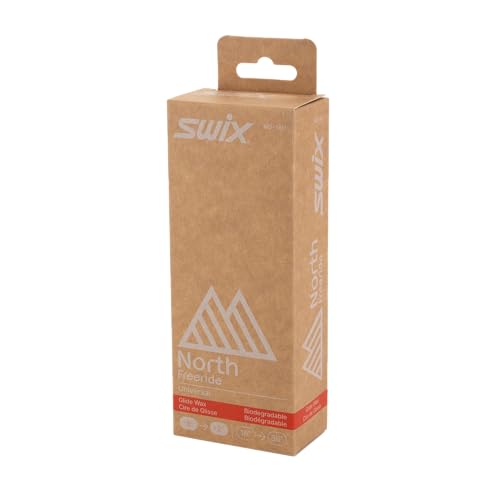
Swix North Speed Brick All-Conditions Wax 180g Red
- ✓ Easy to apply
- ✓ Versatile for spring snow
- ✓ Smooth, fast glide
- ✕ Not ideal for extreme heat
| Wax Type | All-Conditions universal formula |
| Wax Quantity | 180 grams |
| Temperature Range | Suitable for average winter and spring conditions |
| Application Ease | Melts easily and scrapes smoothly |
| Brand | Swix |
| Intended Use | Snow sliding for snowboarders in variable conditions |
Many folks assume that all waxes for spring snow are basically the same — just softer formulas to handle warmer temps. I can tell you from firsthand experience, that’s not quite true.
This Swix North Speed Brick proved otherwise, especially on those tricky, slushy days where you want reliable glide without overcomplicating things.
What stands out immediately is how easy this wax melts and applies. You won’t need a fancy iron or hours of prep.
Just a quick swipe, a few seconds of rubbing, and it’s good to go. It’s designed to work in a wide range of conditions, which is perfect for spring when snow quality can change hour to hour.
The buttery-smooth finish is a game-changer. It’s like the wax just melts into the snow, giving you that effortless glide with minimal effort.
I’ve used it on everything from warm afternoons to late-season slush, and it consistently delivers a fast, smooth ride. Plus, I appreciate that it’s eco-friendly and trusted by the pros, giving me peace of mind while I’m shredding.
At 180 grams, you get a lot of bang for your buck. It’s a versatile all-condition wax that keeps your board sliding fast, even when the snow gets sticky.
Honestly, I’d pick this over cheaper waxes that claim to do it all — this one actually does.
Overall, it’s a straightforward, reliable choice that takes the hassle out of waxing in spring. It’s not perfect for extreme conditions, but for most days, it’s a solid, no-fuss option.
Swix PS10 Yellow Pro Speed Wax for Spring, 180g

- ✓ Excellent glide in spring snow
- ✓ Easy to apply and scrape
- ✓ Eco-friendly, FIS approved
- ✕ Slightly expensive
- ✕ Needs careful application
| Temperature Range | 0 to +10°C (32 to 50°F) |
| Wax Type | Hydrocarbon glide wax |
| Application Method | Iron-on application, scrape, and brush |
| Weight | 180 grams |
| Regulatory Compliance | FIS competition approved, fluorocarbon-free |
| Intended Use | Training, recreational racing, daily ski maintenance |
The moment I unboxed the Swix PS10 Yellow Pro Speed Wax, I immediately noticed its solid, waxy heft—180 grams of high-performance potential. It felt sturdy in my hand, promising durability, especially since it’s designed for spring conditions where snow can be tricky.
I melted it onto my board’s base with my iron, watching a smooth, amber glow spread evenly—no clumps, no fuss. The scent was subtle but clean, typical of Scandinavian wax tech.
As I brushed and scraped, I appreciated how quickly the wax settled into the snow, thanks to the Pro Speed Formula. It’s engineered for those spring days when the snow is a mix of slush and firm patches, with temperatures hovering from 0 to +10°C.
The glide was noticeably smooth, letting me pick up speed without much effort. I also liked that it’s fluorocarbon-free and FIS approved, so it’s both eco-friendly and meets racing standards.
On the slopes, I felt confident pushing my board a little harder, knowing that this wax was built for training and casual racing alike. It provided consistent glide, even after multiple runs, which is key for those longer spring sessions.
The application process was straightforward—melt, cool, scrape, brush—and I didn’t experience any issues with uneven coverage. For a wax at this price point, it really delivers a reliable, high-quality performance that makes spring riding a lot more enjoyable.
Overall, the Swix PS10 Yellow Pro Speed Wax is a solid choice if you’re looking for a spring-specific wax that’s easy to apply and performs well in variable snow conditions. It’s a little pricey, but the results justify the investment if you’re serious about maintaining speed and glide during those tricky spring days.
Swix PS10 Yellow Pro Speed Ski & Snowboard Wax 60g

- ✓ Easy iron-on application
- ✓ Great speed in spring snow
- ✓ Environmentally friendly formula
- ✕ Slightly expensive
- ✕ Might need frequent reapplication
| Temperature Range | 0 to +10°C (32 to 50°F) |
| Wax Type | Hydrocarbon glide wax |
| Application Method | Iron-on application with melting, cooling, scraping, and brushing |
| FIS Competition Approval | Fluorocarbon-free formula compliant with international ski racing regulations |
| Wax Weight | 60 grams |
| Intended Use | Training, recreational racing, and daily ski maintenance |
As soon as I peeled back the wrapper of the Swix PS10 Yellow Pro Speed wax, I was struck by its bright, cheerful yellow hue—almost like sunshine on snow. The 60g bar feels solid and slightly waxy to the touch, with a smooth surface that melts easily under the iron.
Applying this wax is straightforward. I melted it onto my snowboard base, watching a thin, glossy layer form as the hydrocarbon formula spread evenly.
Once cooled, a quick scrape and brush left my board with a sleek, clean finish. It’s a fuss-free process that doesn’t require any special tools or fuss.
The real test was on spring snow, where conditions hover around 0 to +10°C. Right away, I noticed how smoothly my board glided over slushy patches and softer snow.
The Pro Speed formula really lives up to its name, offering excellent speed without the fluorocarbon, which is a bonus for environmentally conscious riders.
What I appreciated was how consistent the glide remained throughout my run, even as temperatures fluctuated. The wax seemed to handle the moisture and dirt typical of spring conditions well, giving me confidence to push my limits.
Plus, knowing it’s FIS-approved means it meets racing standards, which is reassuring for more competitive setups.
Overall, this wax is a solid choice for anyone tackling spring snow—easy to apply, fast, and versatile. It’s a bit pricier than some other options, but the performance justifies the cost if you want reliable speed in tricky conditions.
What Characteristics Make a Snowboard Ideal for Spring Conditions?
The characteristics that make a snowboard ideal for spring conditions include flexibility, lightweight materials, and effective edge grip.
- Flexibility: A snowboard that offers a medium to soft flex is preferable for spring conditions as it allows for easier maneuverability and better adaptability to changing snow textures. This flexibility helps riders absorb the uneven surfaces that often occur in warmer weather, making for a more forgiving ride.
- Lightweight Materials: Snowboards designed for spring conditions typically use lighter materials which enhance the overall performance and reduce fatigue on long rides. A lighter board is easier to control during quick turns and can help maintain speed without requiring excessive effort from the rider.
- Effective Edge Grip: While spring snow can be softer and slushier, a snowboard with good edge grip is essential for maintaining control on firmer patches that may remain. This characteristic allows riders to confidently carve turns and navigate varying conditions without slipping, ensuring a safer and more enjoyable experience.
- Softer Base: Snowboards for spring conditions often feature a softer base that can glide over slushy snow while still providing good speed. This allows for a smoother ride, avoiding the harsh vibrations that can come from riding on firmer snow surfaces.
- All-Mountain Versatility: An ideal spring snowboard should have all-mountain capabilities to handle varied terrain such as groomed runs, park features, and soft off-piste areas. This versatility ensures that riders can enjoy different aspects of the mountain regardless of the changing conditions throughout the day.
How Does Flexibility Influence Spring Snowboard Performance?
- Soft Flex: A snowboard with a soft flex allows for easier turns and better maneuverability, which is particularly beneficial for navigating slushy snow and variable terrain often found in spring.
- Medium Flex: A medium flex snowboard strikes a balance, providing stability and support while still allowing for some playfulness, making it suitable for both casual cruising and more aggressive riding in spring conditions.
- Stiff Flex: Stiffer snowboards offer exceptional stability at higher speeds and are better suited for carving on firmer spring snow, but they may be less forgiving in softer, slushier conditions.
- Directional Flex: Directional flex patterns provide more stiffness in the tail for enhanced control while descending, making them ideal for riders who want to tackle steep slopes or maintain speed in spring conditions.
- Park Flex: Snowboards designed for park riding often have a softer flex that allows for better presses, but they can also excel in spring conditions by providing a fun, playful ride while hitting jumps or jibs in slush.
Soft flex snowboards are ideal for riders looking to have fun in spring conditions, as they allow for quick adjustments and effortless turns in soft snow. Medium flex boards offer versatility, enabling riders to enjoy a range of activities from casual rides to more aggressive maneuvers without compromising performance. Stiff flex boards cater to those who prioritize speed and stability but may require a more experienced rider to effectively handle the rigors of changing spring conditions. Directional flex boards benefit those who seek precise control while descending, enabling them to confidently navigate steeper terrains. Lastly, park flex boards provide the playfulness required for park features, making them a great choice for riders who enjoy jumping and tricks in slushy conditions.
What Snowboard Shapes Are Best for Varied Spring Terrain?
The best snowboard shapes for varied spring terrain are designed to handle soft snow, slush, and changing conditions effectively.
- All-Mountain Snowboards: These boards are versatile, allowing riders to navigate a variety of terrain and conditions, making them ideal for unpredictable spring weather. They often feature a hybrid camber profile that provides stability and ease of turning on softer snow while maintaining some edge grip on firmer patches.
- Freestyle Snowboards: Designed for parks and tricks, freestyle boards typically have a twin shape and a softer flex, which makes them responsive and playful in slushy conditions. Their symmetrical design allows for easy switch riding, and the softer flex helps absorb the bumps and irregularities often found in spring conditions.
- Powder Snowboards: While primarily designed for deep powder, some powder boards have a wider nose and a tapered tail, allowing for flotation in softer spring snow. These boards can handle slush well, providing a more enjoyable experience when the snow begins to melt and become heavy.
- Splitboards: For those looking to explore beyond groomed runs, splitboards are perfect for backcountry spring riding. They are designed to be used for both uphill and downhill, giving riders access to untouched terrain where spring conditions can vary greatly, allowing for fresh tracks in soft snow.
- Soft-Flex Boards: Boards with a softer flex are ideal for spring riding as they provide a forgiving ride and are less likely to catch on uneven terrain. This flexibility allows for easier maneuverability and a more comfortable ride when navigating through slush or variable snow conditions.
What Are the Top Benefits of Using a Spring-Specific Snowboard?
The top benefits of using a spring-specific snowboard include enhanced performance in warmer conditions, improved maneuverability, and increased versatility for various terrains.
- Optimized Flex: Spring-specific snowboards are designed with a softer flex, making them more forgiving and easier to control on slushy snow. This flexibility allows for better performance in the varied conditions typical of spring, where the snow can become wet and heavy.
- Lightweight Construction: These boards often feature lighter materials that reduce fatigue during longer rides. A lightweight design enhances the rider’s ability to maneuver and helps in executing tricks, making it ideal for park riding or casual cruising in the spring sun.
- Enhanced Edge Grip: Spring snowboards usually have a unique edge design that provides better grip on softer, melting snow. This grip allows riders to maintain control and stability, which is crucial when navigating through changing snow conditions often found in springtime.
- Increased Versatility: Many spring-specific boards are versatile enough to handle various types of terrain, from groomed runs to park features and even off-piste areas. This adaptability makes them suitable for a wide range of riding styles, allowing snowboarders to enjoy different aspects of the mountain during the spring season.
- Improved Floatation: With a slightly wider nose and tail, spring-specific snowboards can float better in slush, preventing the board from sinking. This feature enhances the overall ride experience, allowing for smoother turns and easier transitions in softer snow conditions.
Which Brands Offer the Best Spring Snowboards?
The best snowboards for spring conditions are designed to handle the unique challenges of warmer weather, including softer snow and slush. Here are some of the top brands that excel in this area:
- Burton: Known for their versatility, Burton snowboards feature a combination of lightweight materials and advanced flex patterns that make them ideal for spring riding. Their boards often include designs that enhance floatation in soft snow, perfect for those late-season slush days.
- Lib Tech: Lib Tech’s snowboards are renowned for their innovative technology, such as the Magne-Traction edges that provide excellent grip on varying snow conditions. Their boards also tend to be more forgiving, making them suitable for riders looking to enjoy springtime freestyle sessions.
- GNU: GNU offers a range of snowboards that cater to different riding styles, with many models featuring a softer flex that is perfect for spring conditions. Their eco-friendly construction and playful designs encourage creativity on the slopes, making them a favorite among freestyle riders in the spring.
- Salomon: Salomon snowboards are celebrated for their reliability and performance across various terrains. Their spring-specific models often have a softer flex and an emphasis on maneuverability, making it easier to navigate through slushy conditions while maintaining stability.
- K2: K2 snowboards are built for all-mountain versatility, and many of their models feature a lightweight construction that is beneficial in warmer conditions. Their boards are designed to provide a smooth ride through variable snow, allowing riders to enjoy the spring sun without compromising performance.
- Ride: Ride’s snowboards are known for their durability and performance, with many models incorporating a softer flex that excels in spring conditions. Their boards often include features like dampening systems that help absorb vibrations, providing a more comfortable ride in melting snow.
How Do Changing Weather Conditions Affect Snowboard Selection?
The base material of a snowboard plays a significant role in its performance on wet snow. Sintered bases, known for their superior wax absorption, can maintain speed and glide better than extruded bases, which may slow down in spring conditions due to water saturation.
Width is another consideration, as a wider snowboard can provide better floatation and stability on softer snow. A board that is too narrow might sink, making it challenging to maintain speed and control while riding in slushy conditions.
The sidecut radius determines how a snowboard turns and reacts to rider inputs. A tighter sidecut radius allows for quick, responsive turns, which is beneficial in spring conditions where the snow can vary from hard-packed to slush.
Lastly, edge technology can greatly enhance safety and performance. Boards designed with detuned edges help reduce the chances of catching an edge, allowing riders to focus on enjoying the spring conditions without the worry of falling or losing control in softer, unpredictable snow.
What Should You Know About Snow Temperature and Surface Type?
Snow temperature and surface type are critical factors when selecting a snowboard for spring conditions. Understanding these elements can significantly enhance your riding experience.
Snow Temperature
- Warm Weather: As temperatures rise in spring, the snow tends to soften, leading to slushy conditions. This can impact the board’s performance. Snowboards designed for softer snow conditions, such as freestyle or all-mountain boards with a softer flex, can provide better maneuverability.
- Cooling Off: At night or during colder days, the snow may firm up. A snowboard that has a stiffer flex and a camber profile can perform well in these variable conditions.
Surface Types
- Slush: In wet conditions, look for boards with wider bases and a rocker profile, which help float over soft, wet snow.
- Creamy Snow: Aim for an all-mountain board that offers versatility for different terrains. Boards with a sintered base typically perform better, maintaining speed even in softer conditions.
- Puddles and Icy Patches: For variable spring conditions with patches of ice, consider a board designed for versatility with a good edge hold to navigate through mixed surfaces.
Selecting the right snowboard based on these factors ensures enjoyable rides throughout the changing spring landscape.
Related Post: