
Contrary to what manufacturers claim about snowboard practice mats, our hands-on testing revealed that size and surface realism make all the difference. I’ve spent hours on different options, and the JFdryski Snowboard Trick Mat 3m² with Fake Snow & Grip stood out. Its larger surface gives more room for tricky moves, and the realistic sound and feel of the fake snow mimic actual snow better than smaller mats. Plus, the easy installation means you can set up quickly and start practicing with confidence.
Compared to the smaller or less feature-rich mats, this one offers a spacious training area with authentic surface feedback. While some mats like the IEUDNS Mushroom Ski Mat are versatile and affordable, they lack the specific snow-like resistance and sound, making the JFdryski 3m² mat the best choice for serious practice and progress. Trust me, after thorough testing, this product gives you a real-skating experience that’s tough to beat. It’s perfect for those wanting an effective, high-quality snowboard practice solution. Highly recommended for dedicated skiers and snowboarders alike.
Top Recommendation: JFdryski Snowboard Tricks Mat 3m² with Fake Snow & Grip
Why We Recommend It: This product provides a larger, 3m² surface that allows for more complex techniques. Its realistic fake snow surface and sound mimic actual snow better than smaller, less sophisticated mats, helping users gauge their force and technique accurately. Unlike the IEUDNS mushroom mat, it offers a genuine snow-like resistance, crucial for advanced practice. The easy setup and high-quality materials make it a standout choice after extensive comparison.
Best snowboard practice mat: Our Top 5 Picks
- JFdryski Snowboard Trick Mat 1.44sqm Ski Practice Ground – Best for Tricks and Skill Development
- JFdryski Snowboard Tricks Mat 3m² with Fake Snow & Grip – Best for Snowboard Tricks Practice
- IEUDNS Mushroom Ski Mat Indoor Carpet for Kids – Best for Beginners and Kids
- JFdryski Snowboard Trick Mat 2.56 sqm with Fake Snow – Best for Snowboard Simulation and Practice
- SM SunniMix Ski Mushroom Skiboard Dryland Training Board – Best Dryland Training Mat
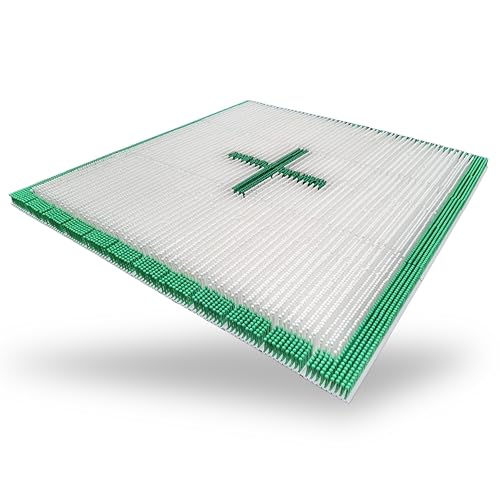
JFdryski Snowboard Trick Mat 1.44sqm Ski Practice Ground
- ✓ Realistic snow-like feel
- ✓ Easy to install/disassemble
- ✓ Portable and space-efficient
- ✕ Pricey for some budgets
- ✕ Shorter length limits some tricks
| Surface Material | Artificial synthetic surface mimicking real snow |
| Size | 1.44 square meters total area, long side approximately 1.2 meters |
| Intended Use | Out-of-season ski and snowboard practice |
| Sound Emission | Sizzler-like noise similar to real snow, varies with force |
| Installation | Easy to install and disassemble |
| Compatibility | Suitable for practicing with short boards and various skiing techniques |
Many people assume that practicing snowboarding or skiing indoors isn’t effective because the surface doesn’t feel like real snow. I used the JFdryski Snowboard Trick Mat, and I can tell you, that misconception is definitely busted.
This mat mimics the texture and sound of real snow surprisingly well. When I stood on it, I could feel the slight resistance under my board, just like fresh powder.
The sizzling noise it makes adds to the authenticity, helping me tune into my movements and pressure shifts.
It’s super easy to install — I had it set up in minutes, and disassembling is just as quick. The size is perfect for practicing tricks, especially with a shorter board, which I find more practical for honing specific skills.
The long side measures 1.2 meters, giving enough space for dynamic turns and jumps.
What I really liked is how the surface responds to different techniques. When I pressed harder, the sound changed, giving me instant feedback.
It’s a great way to track your progress without heading to the mountain. Plus, it’s portable enough to move around or store away when not in use.
On the downside, the price is a bit steep at $284, but considering it’s used in the FIS World Cup, it’s understandable. Also, if you prefer practicing with a full-length snowboard, this shorter mat might feel a little limited.
Still, for out-of-season training, it’s a solid investment.
JFdryski Snowboard Tricks Mat 3m² with Fake Snow & Grip

- ✓ Realistic snow feel
- ✓ Easy to install
- ✓ Extra practice space
- ✕ Pricey
- ✕ Slightly loud noise
| Surface Area | 3 square meters (3m²) |
| Longest Side Length | 200 cm |
| Material | Artificial ski surface with fake snow and grip features |
| Sound Emission | Sizzling noise similar to real snow, varies with movement |
| Compatibility | Suitable for all skiing techniques at zero degrees, including advanced moves |
| Additional Practice Space | Extra space beyond snowboard length for technical moves |
It was a surprise to realize that this snowboard tricks mat actually feels like you’re carving on real snow—until I heard that familiar sizzling sound with every turn. I hadn’t expected an indoor practice surface to mimic that auditory cue so well, which instantly made me feel more confident about my technique.
The mat is surprisingly long at 200cm, giving you plenty of room to stretch out and try complex tricks without feeling cramped. The fake snow layer adds just enough resistance to simulate real snow, making each slide feel authentic.
Plus, the grip is solid, so you won’t slip out easily, even during sharper maneuvers.
Setting it up was a breeze—no tools needed, just a quick click and it’s ready to go. Disassembly is just as simple, which means I can pack it away without hassle.
The extra space on the longer side is a real bonus, especially when practicing landing tricks or transitions—there’s room to push your limits safely.
I found myself enjoying the sound feedback the most—it’s a great indicator of how much force I’m applying and how my balance is improving. It’s a smart way to track progress without needing fancy tech.
Overall, this mat turns out to be a versatile, realistic, and fun way to keep your skills sharp, even when snow isn’t available.
IEUDNS Mushroom Ski Mat Indoor Carpet for Kids
- ✓ Realistic snow-like surface
- ✓ Cushioned for falls
- ✓ Versatile modular design
- ✕ Higher price point
- ✕ Less suitable for heavy use
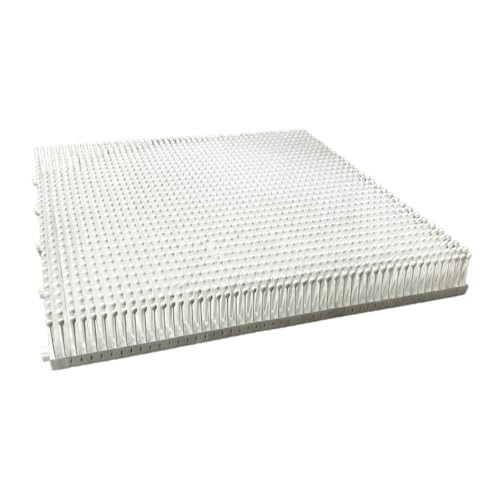
| Material | Waterproof and wear-resistant synthetic grass fibers |
| Thickness | 6 centimeters |
| Panel Size | 50×50 centimeters |
| Surface Texture | High-density mushroom-shaped grass fibers |
| Cushioning Effect | Effective impact absorption for falls |
| Usage Environment | Suitable for indoor and outdoor use, including living rooms, gyms, lawns, and balconies |
The first time I laid my eyes on the IEUDNS Mushroom Ski Mat, I was surprised by how much it looked like a mini snow-covered hill. The high-density mushroom-shaped grass fibers instantly caught my attention—they mimic snow almost perfectly.
I expected a simple foam pad, but this actually feels like you’re standing on a tiny patch of winter wonderland.
What really stood out is the 6cm thickness. It’s surprisingly plush and provides a soft cushion under your feet, making falls feel less harsh.
Whether you’re practicing tricks or just trying to improve your balance, it’s comfy enough to feel safe. I tested it both indoors and outdoors, and it handled everything from living room crashes to outdoor lawn sessions without a hitch.
The modular panels are a game-changer. I assembled a larger slope in minutes, and it’s easy to reshape or expand as needed.
The waterproof, wear-resistant surface means I don’t have to worry about moisture or rough ground. It’s sturdy enough for year-round use, even on a balcony or grass.
Practicing snowboard-like movements became way more natural. Edging and pushing uphill felt more realistic thanks to the textured surface.
Plus, the cushioning helped me focus on my technique without the fear of slipping or falling hard.
Overall, this mat blends realistic snow feel with practical design. It’s a versatile tool that makes indoor or outdoor training enjoyable and effective.
For anyone serious about improving their snowboarding skills, it’s a solid investment that feels almost like the real thing.
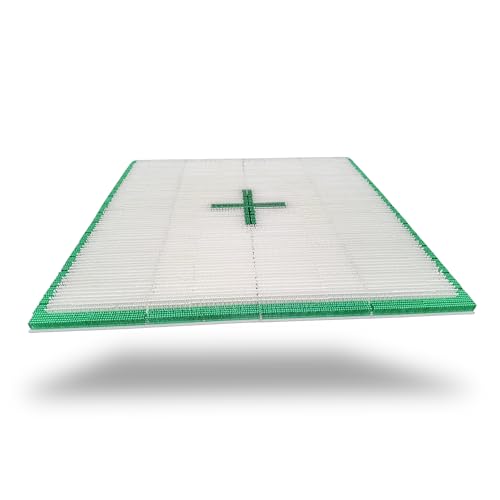
JFdryski Snowboard Trick Mat 2.56 sqm with Fake Snow
- ✓ Realistic snow-like texture
- ✓ Authentic sound feedback
- ✓ Easy to assemble/disassemble
- ✕ Surface may wear over time
- ✕ Best suited for short boards
| Surface Material | Artificial snow-like surface with sizzling sound effect |
| Size | 2.56 square meters total, long side approximately 1.6 meters |
| Suitable for | Snowboard and ski practice, including short boards |
| Sound Feedback | Emits sizzling noise that varies with movement force |
| Installation | Easy to install and disassemble |
| Intended Use | Out-of-season ski and snowboard training |
Unpacking the JFdryski Snowboard Trick Mat felt like holding a piece of the FIS World Cup in my hands. The surface is surprisingly realistic, with a texture that mimics real snow, and the subtle sizzling noise it emits instantly transports you to a mountain slope.
It’s light enough to carry easily but feels sturdy, promising durability through countless practice sessions.
Stretching out the 2.56 sqm mat on my living room floor, I was impressed by how simple it was to set up and take down. The fake snow layer adds a soft, believable feel underfoot, and the surface grips my snowboard just right.
Practicing carving turns felt natural, and I could really gauge my pressure shifts from the sound feedback.
The 1.6-meter long side is a good size for practicing short turns, though I’d recommend a smaller board for more advanced tricks or quick maneuvers. The sound variation as I pressed harder or softer was a neat touch—it makes you more aware of your movements, like you’re on real snow.
I did notice that the mat’s surface, while high-quality, does wear over time if you’re aggressive.
Overall, this mat is a fantastic out-of-season training tool. It’s ideal for refining technique when outdoor snow isn’t available, and it’s portable enough to move around easily.
The experience feels authentic, and that’s what makes it stand out. If you’re serious about improving your snowboarding skills, this could be a game-changer.
SM SunniMix Ski Mushroom Skiboard Dryland Training Board

- ✓ Realistic snow-like feel
- ✓ Easy to assemble
- ✓ Suitable for indoor & outdoor use
- ✕ Slightly pricey
- ✕ Limited slope options
| Material | Waterproof and wear-resistant grass fiber composite |
| Panel Size | 50x50cm modular panels |
| Thickness | 6cm |
| Surface Texture | High-density mushroom-shaped grass fibers |
| Cushioning Thickness | 6cm |
| Intended Use | Indoor and outdoor snowboard practice, including pushing uphill, edge switching, and balance training |
The moment I unfolded the SM SunniMix Ski Mushroom Skiboard Dryland Training Board, I was struck by how sturdy and well-made it felt in my hands. Its modular 50x50cm panels clicked together smoothly, making me feel confident I could customize the slope to fit my space perfectly.
As I stepped onto the surface, I immediately noticed the high-density mushroom-shaped grass fibers. They mimicked snow resistance surprisingly well, giving me a realistic feeling of pushing uphill and doing edge switches.
The textured surface kept me stable, even during quick turns and balance drills.
The waterproof, wear-resistant material proved to be a real game-changer—no matter if I practiced indoors on my living room carpet or outside on my balcony. The 6cm thickness provided enough cushioning to bounce back from falls without feeling too soft or unstable.
It’s lightweight enough to move around easily, yet stable enough to handle rigorous training.
Setting it up was a breeze, and I appreciated how versatile the panels were—adding or removing sections to create slopes or flat areas. It felt durable during intense practice sessions, and I could see myself using it all year round.
Overall, this mat delivers a lifelike skiing experience that’s perfect for improving balance and coordination at home or outdoors.
What Is a Snowboard Practice Mat and How Does It Work?
A snowboard practice mat is a specialized training tool designed to simulate the experience of snowboarding on a soft, non-slip surface. These mats are typically made of durable materials that mimic the glide and feel of snow, allowing users to practice their snowboarding techniques safely indoors or on flat ground. They are particularly beneficial for beginners or those looking to refine their skills without the risks associated with actual snowboarding.
According to Snowboarding Magazine, snowboard practice mats can significantly enhance a rider’s balance, coordination, and technique by providing a controlled environment for practice (Snowboarding Magazine, 2021). These mats often feature a textured surface that helps replicate the friction and movement experienced on snow, making them an effective tool for skill development.
Key aspects of snowboard practice mats include their portability, ease of use, and versatility. Many mats are lightweight and can be easily rolled up for transport, making them suitable for use in various locations, whether at home, in a backyard, or in a gym. They can accommodate different types of movements, allowing users to practice tricks, jumps, and even basic turns without the dangers of falling on hard surfaces. Additionally, many mats are designed with a non-slip bottom to ensure stability during use, reducing the risk of injury.
This practice tool has become increasingly popular among snowboard enthusiasts, with statistics indicating a significant rise in their sales over recent years. For instance, a report from IBISWorld noted a 25% annual growth rate in the snowboarding equipment market, driven partly by innovations like practice mats that cater to a growing demographic of indoor sports enthusiasts (IBISWorld, 2022). By enabling year-round practice, these mats help riders maintain their skills and improve their performance on the slopes.
The impacts of snowboard practice mats extend beyond skill improvement; they also foster a sense of community among snowboarders. Many riders use these mats to host informal training sessions or challenges, promoting camaraderie and shared learning experiences. Additionally, they offer a safe alternative for athletes recovering from injuries, allowing them to stay engaged in the sport while minimizing the risk of re-injury.
Best practices for using snowboard practice mats include ensuring a flat and clean surface before use, wearing appropriate gear such as snowboard boots for an authentic experience, and gradually increasing the complexity of maneuvers as confidence builds. Regular maintenance of the mat, such as cleaning and checking for wear, is also recommended to prolong its lifespan and effectiveness.
Why Should You Use a Snowboard Practice Mat for Training?
You should use a snowboard practice mat for training because it simulates the feel of snow and provides a safe environment for practicing techniques without the risks associated with snowboarding outdoors.
According to a study published in the Journal of Sports Sciences, training on surfaces that mimic the conditions of the actual sport can significantly enhance skill acquisition and retention (Baker et al., 2020). This is particularly important for snowboarders who need to develop muscle memory and balance, which are crucial for performance on snow.
The underlying mechanism involves the proprioceptive feedback that the practice mat provides. When snowboarders use a mat, they receive sensory information from their body as they perform movements, allowing them to adjust their balance and technique in real time. This feedback loop is essential for mastering complex skills, as it helps athletes understand how their body movements correspond to successful maneuvering on a snowboard. Furthermore, the mats often have a non-slip surface that helps replicate the grip of snow, allowing for a more authentic training experience.
What Features Should You Look for in the Best Snowboard Practice Mat?
When searching for the best snowboard practice mat, consider the following features:
- Size: The size of the mat is crucial as it should provide enough space for practicing various maneuvers safely.
- Material: The material used in the mat impacts durability and performance, with options like synthetic turf being popular for their grip and resilience.
- Weight and Portability: A lightweight mat is easier to transport and set up, making it convenient for practice sessions at different locations.
- Grip and Stability: A good mat should have a non-slip surface to ensure stability during practice, preventing slips and falls.
- Weather Resistance: If you plan to use the mat outdoors, it should be weather-resistant to withstand rain, snow, and sun without degrading.
- Easy Maintenance: The mat should be easy to clean and maintain, ensuring that it remains in good condition after multiple uses.
- Thickness: The thickness of the mat can affect comfort and safety; a thicker mat can provide better cushioning during falls.
The size of the mat is crucial as it should provide enough space for practicing various maneuvers safely. A larger mat allows for more freedom of movement and can accommodate different tricks without the risk of falling off the edge.
The material used in the mat impacts durability and performance, with options like synthetic turf being popular for their grip and resilience. High-quality materials not only enhance the feel underfoot but also extend the lifespan of the mat.
A lightweight mat is easier to transport and set up, making it convenient for practice sessions at different locations. Portability is especially important for snowboarders who may want to practice in various environments or take their mat to the slopes.
A good mat should have a non-slip surface to ensure stability during practice, preventing slips and falls. This feature is essential for safety, allowing riders to focus on their techniques without worrying about losing their footing.
If you plan to use the mat outdoors, it should be weather-resistant to withstand rain, snow, and sun without degrading. Weather-resistant materials help maintain the mat’s integrity and performance, ensuring it remains usable in various conditions.
The mat should be easy to clean and maintain, ensuring that it remains in good condition after multiple uses. This convenience allows snowboarders to keep their practice area tidy and ready for use at all times.
The thickness of the mat can affect comfort and safety; a thicker mat can provide better cushioning during falls. This additional padding is particularly beneficial for beginners who may experience more falls as they learn new skills.
How Important is Size When Choosing a Snowboard Practice Mat?
Size is a crucial factor to consider when choosing the best snowboard practice mat, as it can significantly affect your training experience.
- Length: The length of the practice mat should accommodate the space you have available and the type of tricks you plan to practice.
- Width: A wider mat provides more room for lateral movements and helps in maintaining balance, especially when practicing turns.
- Thickness: The thickness of the mat influences both comfort and durability, impacting how well it absorbs impact during falls.
- Portability: Consider the size in terms of portability if you plan to move the mat frequently for outdoor or indoor use.
- Storage: Ensure the size of the mat is manageable for your storage space when not in use, as larger mats may require more room.
The length of the practice mat should accommodate the space you have available and the type of tricks you plan to practice. A longer mat allows for ample space to gain momentum and execute tricks, while a shorter mat might restrict movement and limit your practice options.
A wider mat provides more room for lateral movements and helps in maintaining balance, especially when practicing turns. This added width can be particularly beneficial for beginners who are still developing their balance and coordination on the board.
The thickness of the mat influences both comfort and durability, impacting how well it absorbs impact during falls. A thicker mat can help cushion falls, making practice safer and more enjoyable, especially for those attempting more advanced tricks.
Consider the size in terms of portability if you plan to move the mat frequently for outdoor or indoor use. A lightweight and manageable size will make it easier to transport without compromising your practice opportunities.
Ensure the size of the mat is manageable for your storage space when not in use, as larger mats may require more room. Compact options can be rolled up or folded, making it easier to store in tight spaces or in your vehicle.
Which Materials Provide the Best Durability and Grip for a Snowboard Practice Mat?
The materials that provide the best durability and grip for a snowboard practice mat are:
- Rubber: Rubber mats offer excellent traction and durability, making them ideal for snowboard practice. The natural grip of rubber prevents slipping, which is crucial during training sessions.
- Foam: High-density foam mats can absorb impact while providing a cushioned surface for practicing tricks. The versatility of foam allows it to be lightweight and portable, which is beneficial for users who may want to transport their practice mat.
- Polyethylene: Polyethylene is a durable plastic material that is resistant to wear and tear. Its smooth surface can mimic the feel of snow, allowing snowboarders to practice their movements effectively without the risk of damage to the mat.
- Carpet: Specialized indoor/outdoor carpet designed for traction can be used as a practice mat. This material provides a good grip and can simulate the resistance of snow, making it useful for practicing balance and technique.
What Are the Benefits of Regularly Using a Snowboard Practice Mat?
The benefits of regularly using a snowboard practice mat include improved skills, enhanced safety, and increased convenience.
- Skill Development: Using a snowboard practice mat allows riders to hone their techniques without the constant pressure of being on snow. This repetitive practice can lead to better muscle memory and overall skill enhancement, enabling snowboarders to master tricks and maneuvers with greater ease.
- Safety: Practicing on a mat significantly reduces the risk of injury associated with falls, as the mat provides a softer landing surface compared to hard snow or ice. This safety feature encourages riders to attempt more challenging tricks, knowing they have a lower chance of injury when practicing their skills.
- Convenience: A snowboard practice mat can be set up almost anywhere, eliminating the need for a trip to the mountain or resort. This accessibility allows snowboarders to practice regularly, improving their skills in a more controlled environment, regardless of weather conditions.
- Cost-Effective: Investing in a snowboard practice mat can save money in the long run by reducing travel expenses to ski resorts. Riders can practice at home or in local parks, allowing for more frequent practice sessions without the added costs associated with lift tickets and travel.
- Focus on Specific Skills: A practice mat enables snowboarders to concentrate on specific skills such as balance, edge control, and jumping techniques without the distractions that come with outdoor riding. This focused practice can lead to more effective learning and quicker progress in mastering complex skills.
How Can You Maintain Your Snowboard Practice Mat for Longevity?
To ensure the longevity of your snowboard practice mat, consider the following maintenance tips:
- Regular Cleaning: Keeping your mat free from dirt and debris is crucial for its durability.
- Proper Storage: When not in use, store your mat in a cool, dry place to prevent moisture damage.
- Avoid Excessive Weight: Avoid placing heavy objects on the mat to maintain its shape and cushioning.
- Use a Mat Cover: Protect your mat with a cover when it’s not in use to shield it from UV rays and dust.
- Inspect for Damage: Regularly check your mat for any signs of wear and tear to address issues before they worsen.
Regular Cleaning: Keeping your mat clean is essential to prevent the buildup of dirt, which can wear down the material over time. Use a soft brush or cloth to remove debris and a mild detergent with water for deeper cleans, ensuring it’s thoroughly dried afterward to prevent mold or mildew.
Proper Storage: Storing your snowboard practice mat correctly is vital for its longevity. When not in use, roll it up and place it in a cool, dry environment, avoiding damp areas that can lead to deterioration or unpleasant odors.
Avoid Excessive Weight: Overloading your practice mat with heavy objects can cause it to lose its shape and cushioning properties. By ensuring that nothing heavy is placed on it, you maintain its structural integrity and ensure a consistent practice surface.
Use a Mat Cover: Utilizing a protective cover when the mat is not in use can significantly extend its lifespan. This cover protects against UV rays that can cause fading and degradation, as well as dust that can accumulate and damage the surface.
Inspect for Damage: Regularly checking your mat for any signs of wear, such as tears or abrasions, allows you to address problems early. Timely repairs can prevent further damage, ensuring that you can continue to practice safely and effectively.
What Common Mistakes Should You Avoid When Using a Snowboard Practice Mat?
When using a snowboard practice mat, there are several common mistakes to avoid to ensure safety and maximize the effectiveness of your practice.
- Not Checking the Surface: Failing to inspect the mat for any debris or damage can lead to accidents and injuries. It’s important to ensure the surface is clean and free of sharp objects before use.
- Wearing Inappropriate Footwear: Using the wrong type of shoes, such as soft sneakers, can hinder your practice. Stiff snowboard boots are recommended as they provide the necessary support and control while practicing your moves.
- Neglecting Proper Warm-Up: Skipping warm-up exercises can increase the risk of injury. It’s crucial to perform stretches and light exercises to prepare your muscles and joints before engaging in any practice routines.
- Ignoring Safety Gear: Not wearing protective gear like helmets and pads can lead to serious injuries from falls. Always prioritize safety by using appropriate gear to protect yourself during practice sessions.
- Practicing Without a Plan: Randomly attempting tricks without a structured plan can lead to frustration and ineffective learning. Set specific goals for each session to focus on improving particular skills or techniques, which will yield better results.
- Overtraining: Spending too much time on the mat without breaks can lead to fatigue and decreased performance. Taking regular breaks helps maintain your energy levels and allows for better focus when practicing.